How Much Does Roof Replacement Cost in Arlington TX?
Arlington, Texas homeowners shoulder a unique blend of weather challenges that make roof replacement costs differ significantly from national averages. Situated between Dallas and Fort Worth, the city’s approximately 400,000 residents experience everything from golf-ball-sized hailstorms to relentless summer heat that degrades roofing materials faster than in milder climates. Whether your home sits near the bustling corridors of AT&T Stadium and Globe Life Field in the Entertainment District or along the quieter stretches of Randol Mill Road, understanding local pricing helps you budget effectively for this major home improvement. This complete guide examines exactly what Arlington TX residents should expect to pay for roof replacement in 2024-2025, including material costs specific to Tarrant County, permit requirements, and how regional weather patterns affect long-term value. Arlington World Cup 2026 Hub →
How Much Does Roof Replacement Cost in Arlington TX?
Arlington TX roof replacement costs typically range from $9,000 to $18,000 for standard asphalt shingle roofs on a 2,000-square-foot home, depending on material grade.
Breaking down these figures, most Arlington homeowners pay between $4.50 and $7.00 per square foot for architectural shingles, the most common choice in subdivisions from Lincoln Square to the Lake Arlington area. For a typical 25-square roof (2,500 square feet), this translates to roughly $11,250 to $17,500 including tear-off and disposal. However, costs escalate quickly for premium materials. Metal roofing, increasingly popular for its hail resistance and energy efficiency in Texas heat, runs $9.00 to $14.00 per square foot installed, pushing total project costs to $18,000-$35,000. Clay or concrete tile roofs, while less common in North Texas due to weight considerations, can reach $25,000 to $45,000 for the same footprint. These Arlington-specific roof cost benchmarks reflect current lumber prices, local labor rates, and disposal fees at Tarrant County landfills.
What Factors Most Impact Roof Replacement Costs in Arlington?
Major cost drivers include roof size measured in squares, chosen material type, pitch steepness, existing decking condition, and accessibility challenges in older Arlington neighborhoods.
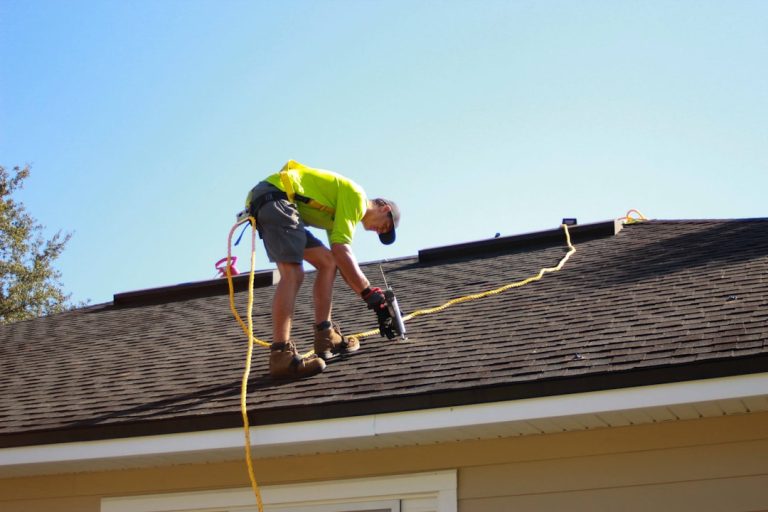
Beyond base materials, several Arlington-specific variables affect your final invoice. The pitch or slope of your roof significantly impacts labor costs—steep roofs common in 1980s-era subdivisions require additional safety equipment and slow down installation. Accessibility matters too; homes near the congested I-30 corridor or in mature neighborhoods with established trees may incur higher delivery and disposal fees. Additionally, many Arlington homes built during the 1970s and 1980s construction booms have original decking that fails current code standards, requiring plywood replacement that adds $1,000 to $3,000 to projects.
How Does Roof Size and Complexity Affect Pricing?
Roofers measure in squares (100 sq ft), with Arlington homes averaging 20-30 squares; complex designs with multiple valleys or dormers add 10-20% to labor costs.
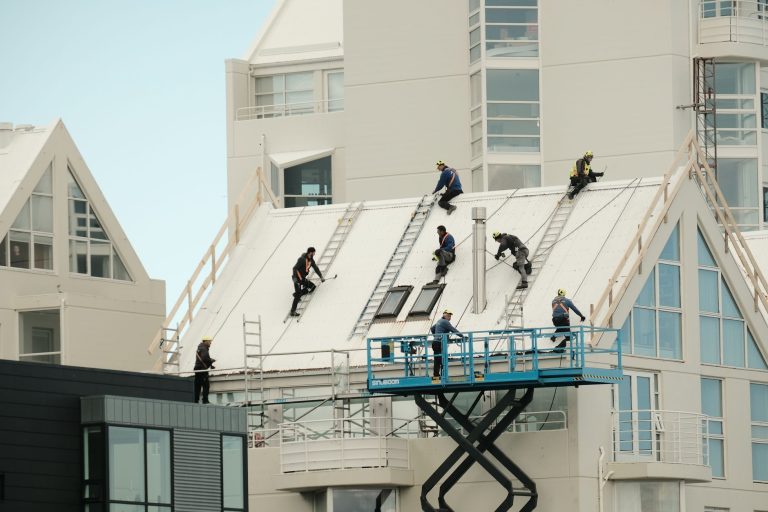
A simple gable roof on a ranch-style home near UTA might take three days to complete, while a complex Williamsburg or Victorian-style roof with multiple peaks, valleys, and skylights in the historic northern sections requires careful flashing work and extended timelines. Each additional valley represents potential leak points requiring additional ice and water shield underlayment, adding $75-$150 per linear foot. Similarly, chimneys, vent pipes, and HVAC units common in Arlington’s established neighborhoods require custom flashing and seals that drive up material and labor costs.
Which Roofing Materials Perform Best in Arlington’s Climate?
Impact-resistant asphalt shingles and standing seam metal roofs offer the best protection against North Texas hail, while cool-reflective coatings help combat intense summer heat.
Given Arlington’s position in Hail Alley, material selection extends beyond aesthetics to insurance implications. Class 4 impact-resistant shingles, which withstand simulated hail impacts better than standard products, cost roughly $1.00-$1.50 more per square foot but often qualify for homeowner insurance discounts. Metal roofing, particularly standing seam systems, sheds water and hail efficiently while reflecting solar heat—critical for homes near Six Flags Over Texas that face full sun exposure. While traditional three-tab shingles remain budget-friendly at $3.50-$4.50 per square foot installed, they typically last only 15-20 years in Arlington’s UV intensity compared to 25-30 years in cooler climates.
How Does Storm Damage Affect Replacement Costs?
If insurance covers hail or wind damage, homeowners pay deductibles ($1,000-$2,500), but hidden decking rot found during tear-off can add $1,000-$4,000 to out-of-pocket expenses.
Following major storm events like the 2023 spring outbreaks, many Arlington homeowners discover that insurance adjusters approve surface shingle replacement while missing underlying structural damage. When contractors remove old roofing, they often find compromised decking, rafter damage, or inadequate attic ventilation that must be addressed before new materials can be installed. These discoveries transform insurance-covered “roof repairs” into substantial out-of-pocket expenses. Additionally, homes near greenbelt areas or parks with mature oak trees may require branch removal or protective canopy work before roofers can safely access the structure, adding $500-$1,500 in tree service coordination.
Are Permits Required for Roof Replacement in Arlington?
Yes, Arlington requires permits for all roof replacements exceeding $500, costing approximately $150-$300 depending on square footage, with mandatory inspections for decking and final installation.
The City of Arlington Building Services Division enforces strict codes for roof replacements to ensure storm resilience. Homeowners or contractors must obtain permits before work begins, with fees calculated based on project valuation. Inspections occur in two phases: a “dry-in” inspection verifying proper decking and underlayment installation, and a final inspection confirming nail patterns, flashing details, and ventilation compliance. Reputable contractors handle permit logistics, but homeowners should verify that permit cards are posted visibly on the property—usually near the electrical meter or front door. Work completed without permits voids manufacturer warranties and creates title issues during home sales, particularly problematic in Arlington’s active real estate market near the Entertainment District.
How Should Arlington Homeowners Vet Roofing Contractors?
Verify active Texas Residential Construction Commission licensing, confirm local Arlington addresses (not post office boxes), check Tarrant County BBB ratings, and request recent local references.
Fans attending matches at AT&T Stadium can still find World Cup 2026 tickets for AT&T Stadium through official resale channels — check availability before match day as Arlington fixtures are selling fast.
Visitors travelling to Arlington for World Cup matches should book early — hotels near AT&T Stadium Arlington are filling up fast across all price ranges from budget to luxury.
The full AT&T Stadium match schedule 2026 covers 9 fixtures from the group stage through to the semi-final in July.
Short-term rentals are a popular option for groups — browse Airbnb Arlington TX World Cup 2026 listings near the stadium for flexible accommodation options.