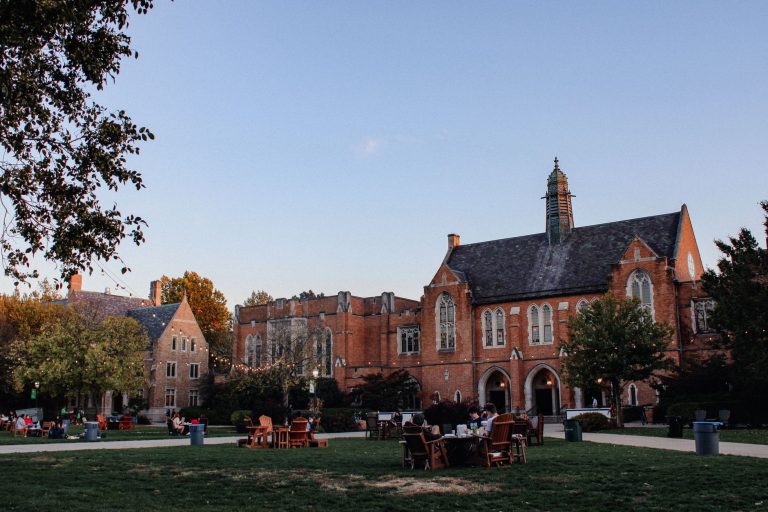

UTA Student Budget Guide: Cost of Living in Arlington TX 2026
Attending the University of Texas at Arlington (UTA) offers excellent educational opportunities, but managing finances is a key part of student success. This complete 2026 guide is designed to help current and prospective UTA students budget effectively, covering all major cost-of-living categories in Arlington, Texas.
Key Takeaways: UTA Student Budget 2026
- Annual Tuition & Fees (In-State): Expect to pay approximately $13,500 – $15,000 for full-time undergraduate tuition and fees at UTA for the 2026-2027 academic year.
- Monthly Housing Costs: On-campus housing can range from $900–$1,300, while off-campus apartments average $1,200–$1,800 for a one-bedroom unit, not including utilities.
- Monthly Food Budget: Allot $350–$500 per month for groceries and occasional dining out, depending on cooking habits and dietary preferences.
- Annual Transportation Costs: If owning a car, budget $2,500–$4,000 annually for gas, insurance, and maintenance; public transit passes are around $600 per year.
- Verdict: A realistic annual budget for a UTA student in Arlington TX in 2026, excluding tuition, is $18,000–$25,000, requiring diligent financial planning.
How Much Does UTA Tuition and Required Fees Cost in 2026?
For the 2026-2027 academic year, in-state undergraduate tuition and mandatory fees at UTA are estimated to be $13,500–$15,000 per year for full-time students.
Understanding the core educational costs is the first step in any student budget. Tuition and fees are subject to change annually, but these estimates provide a solid baseline for planning purposes. Various factors, such as your residency status and course load, will influence your exact bill.
What Are the Estimated Tuition & Fees for In-State Students at UTA?
In-state undergraduate students at UTA can budget approximately $6,750–$7,500 per semester for tuition and mandatory fees in 2026, totaling $13,500–$15,000 annually.
This estimate typically covers the basic costs directly associated with enrollment, including general tuition, library fees, student service fees, and other administrative charges. It does not include books or course-specific materials, which can add hundreds of dollars per semester. Texas residents benefit from significantly lower tuition rates compared to out-of-state or international students.
- Tuition (Per Semiconductor Hour): ~$175 – $200
- General Fee (Per Semiconductor Hour): ~$60 – $75
- Student Services Fee: ~$350 – $400 per semester (flat rate)
- Medical Services Fee: ~$60 – $70 per semester (flat rate)
- Recreation Fee: ~$100 – $120 per semester (flat rate)
How Do Out-of-State and International Tuition Rates Compare at UTA?
Out-of-state and international undergraduate students at UTA can expect to pay around $1,500–$1,800 per credit hour in 2026, significantly higher than in-state rates.
The difference in tuition rates for non-residents is substantial. Planning for these higher costs is critical, along with considering any scholarships or aid specifically designated for out-of-state or international students. It’s always advisable to check the official UTA website for the most current and detailed tuition breakdown for your specific situation.
What Other Academic Expenses Should UTA Students Expect in 2026?
Beyond tuition, UTA students should budget an additional $1,000–$2,000 annually for textbooks, course materials, lab fees, and technology or software needs.
Textbooks are a recurring expense that can quickly add up. Students often save money by purchasing used books, renting, or using digital editions. Some departments also have specific lab fees or technology requirements that contribute to the overall cost of attending.
What Are the Housing Costs for UTA Students in Arlington TX?
Housing is typically the largest non-tuition expense for UTA students in Arlington, with on-campus options ranging $900–$1,300/month and off-campus apartments $1,200–$1,800/month for a 1-bedroom.
Arlington offers a variety of housing solutions for students, from traditional dorms to private off-campus apartments. Your choice will significantly impact your monthly budget, so careful consideration of amenities, location, and roommates is essential. For more detailed insights into specific rental costs, students can use our Arlington Rent Calculator.
How Much Does On-Campus Housing Cost at UTA?
On-campus housing at UTA for 2026-2027 ranges from approximately $3,600–$5,200 per semester ($900–$1,300 per month) depending on the hall and room type, often including utilities.
Living on campus offers convenience and proximity to classes and campus resources. Prices vary by dormitory, meal plan inclusion, and whether you opt for a single room or shared accommodation. These costs often include basic utilities like electricity, water, and internet, simplifying billing.
| Residence Hall Type | Monthly Cost Range (Average) | Key Features |
|---|---|---|
| Shared Dorm Room | $900 – $1,100 | Community living, meal plan required, basic amenities |
| Single Dorm Room | $1,100 – $1,300 | More privacy, meal plan required, basic amenities |
| Campus Apartments (e.g., University Village) | $1,000 – $1,250 | Apartment-style living, kitchen access, typically no mandatory meal plan |
What Are Off-Campus Rental Prices Like Near UTA?
Off-campus one-bedroom apartments near UTA average $1,200–$1,800 per month in 2026, while shared two-bedroom units can bring individual costs down to $800–$1,200.
Renting off-campus provides more independence and often more space. The price range depends heavily on the apartment’s proximity to campus, its age, amenities, and the neighborhood. Students often save significantly by sharing apartments with roommates. Factor in additional costs like security deposits and application fees.
What Are Typical Utility Costs for Arlington TX Student Housing?
Off-campus UTA students renting an unfurnished apartment should budget $150–$300 per month for utilities, including electricity, water, internet, and sometimes gas, in Arlington TX.
Utilities are an additional expense not always covered in off-campus rent. Electricity tends to be the highest variable bill, especially during hot Texas summers. Comparing internet providers and negotiating rates can help reduce these monthly outlays.
How Can UTA Students Budget for Food and Transportation?
UTA students should allocate $350–$500 per month for food, emphasizing home cooking, and $50–$350 for transportation, depending on car ownership and usage.
These day-to-day expenses, while seemingly smaller than tuition or rent, accumulate quickly. Smart choices in groceries and transport can lead to significant savings over the academic year. using campus resources and student discounts throughout Arlington’s student community can further stretch your budget.
What is a Realistic Food Budget for a UTA Student in Arlington?
A realistic food budget for a UTA student in Arlington ranges from $350–$500 per month in 2026, assuming a mix of home-cooked meals and occasional dining out.
Cooking at home is by far the most cost-effective option. Grocery stores like H-E-B, Kroger, and Walmart offer competitive prices. Eating on campus or frequently dining at restaurants will quickly push this budget higher. Meal prepping can be an excellent strategy for busy students.
- Groceries (Primarily Home Cooking): $250 – $350 per month
- Campus Dining/Eating Out (Occasional): $100 – $150 per month
- Snacks/Coffee: $50 – $70 per month
What Are the Transportation Costs for UTA Students in 2026?
Transportation costs for UTA students vary widely; public transit passes average $50/month, while car owners can expect $200–$300/month for gas, insurance, and maintenance in Arlington.
Arlington lacks a light rail system, making personal vehicles common, but the university offers various resources. The Handi-Trans service provides on-demand rides around campus and to nearby areas. For those with cars, parking fees at UTA are an additional expense to consider. using ride-sharing services for occasional trips can be a cost-effective alternative to owning a vehicle.
Are There Ways to Save on Entertainment and Personal Expenses?
UTA students can save on entertainment by seeking free campus events, student discounts at local Arlington venues, and enjoying DFW’s numerous affordable attractions.
Arlington offers a vibrant entertainment scene, from the Entertainment District to various parks. Many local businesses, especially those near the UTA campus and Lincoln Square, offer student discounts. Exploring free activities like hiking trails or community events can help keep costs down.
FAQ: Common Budget Questions for UTA Students in Arlington
What is the minimum recommended monthly budget for a UTA student in Arlington, excluding tuition?
Excluding tuition, a frugal UTA student should budget at least $1,500–$1,800 per month for housing, food, transportation, and personal expenses in Arlington, TX in 2026.
Does UTA offer financial aid or scholarships for cost of living?
Yes, UTA offers various financial aid programs, including scholarships and grants, which can help cover both tuition and some cost of living expenses, based on need and merit.
How can I find affordable off-campus housing near UTA?
To find affordable off-campus housing near UTA, consider sharing an apartment with roommates, looking slightly further from campus, and starting your search early.
What are the biggest unexpected costs for UTA students in Arlington?
Unexpected costs for UTA students often include car repairs, medical emergencies not covered by basic insurance, home repairs in rental properties, and unforeseen academic expenses.
Are there student jobs available on or near the UTA campus in Arlington?
UTA offers numerous on-campus job opportunities, and many businesses in the surrounding Arlington area actively hire students part-time, providing valuable income and experience.
Conclusion: Navigating Your UTA Student Budget in Arlington TX
Effectively managing your finances as a UTA student in Arlington, Texas, requires careful planning and conscious decisions across all spending categories. By understanding the typical costs for tuition, housing, food, and transportation, you can create a realistic budget that supports your academic journey without undue financial stress. Remember to leverage university resources like financial aid, student employment, and campus activities to enhance your experience while minimizing expenses. Arlington offers a dynamic environment for students, and with smart financial habits, you can thrive in the DFW Metroplex.