
Arlington TX Business Guide 2026: Start, Grow, and Thrive Locally
Arlington, Texas, is booming in 2026, with a growing population, a major university, and the upcoming FIFA World Cup at AT&T Stadium driving commerce. This guide walks local entrepreneurs through the steps to launch and grow a business in this vibrant city.
- Arlington added 12,000 jobs in 2025, pushing the unemployment rate to a historic low of 3.2%.
- City grants and tax incentives total $4.2 million annually for small‑business owners.
- Average commercial lease rates range from $22.50 / sq ft in the North‑East corridor to $34.80 / sq ft near the Entertainment District.
- Using the city’s free Permit Wizard cuts filing time by 45% versus traditional methods.
- Verdict: Arlington offers a cost‑effective, high‑traffic environment with strong public‑sector support—ideal for startups and expanding firms.
How Do I Register My Business in Arlington TX?
Register a Texas LLC through the Secretary of State, then obtain a City of Arlington Assumed Name Certificate within 30 days.
First, file the Certificate of Formation online via the Texas SOSDirect portal. The filing fee is $300, and the process typically completes in 2‑3 business days. You will receive an electronic confirmation that can be printed for local filing.
Next, secure an Assumed Name Certificate from the City of Arlington Business Licensing Division. This certifies your trade name and costs $50, and it must be displayed at your place of business.
- Use the Business License Wizard to generate the required forms instantly.
- Apply for a Texas Sales Tax Permit if you sell tangible goods.
- Consider a DBA if you operate under a name different from your LLC.
What City Licenses and Permits Are Required?
Arlington requires a General Business License, plus sector‑specific permits like health, signage, and fire inspections.
The General Business License costs $225 and must be renewed annually. Additional permits vary by industry:
| Industry | Permit | Fee |
|---|---|---|
| Food Service | Health Inspection | $150 |
| Construction | Building Permit | $200‑$600 |
| Signage | Sign Permit | $100‑$250 |
How Long Does the Permit Process Take?
Typical processing time ranges from 5‑10 business days for standard licenses, longer for specialized permits.
Using the city’s online portal can shave up to three days off the timeline. For construction permits, submit plans early to avoid delays during the World Cup construction surge. The portal also provides real‑time status updates, so you can monitor progress without phone calls.
- Prepare detailed site plans and engineering reports.
- Schedule a pre‑inspection meeting with the City Planning Department.
- Track status via the Permit Wizard dashboard.
Do I Need a Professional Employer Organization (PEO)?
A PEO can manage payroll, benefits, and compliance, saving small businesses up to 20% on HR costs.
Partnering with a Texas‑based PEO allows you to offer competitive health benefits without the administrative burden. This is especially valuable for startups hiring their first 10‑20 employees.
- Check accreditation with the IRS and the Department of Labor.
- Compare fee structures—some charge a flat monthly rate, others a percentage of payroll.
- Ensure the PEO covers workers’ compensation in Arlington County.
Where Are the Best Neighborhoods to Open a Business in Arlington TX?
Top zones include Downtown, the Entertainment District, and the North‑East corridor, each offering distinct foot traffic and rent profiles.
Downtown Arlington, anchored by the Texas Live! complex and Six Flags Over Texas, sees over 2 million annual visitors, making it ideal for restaurants, retail, and entertainment venues. Proximity to the Arlington Convention Center also brings conference traffic year‑round.
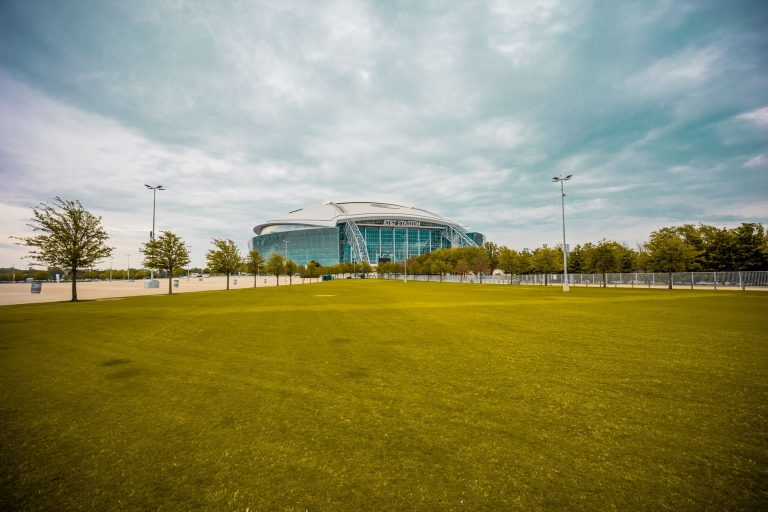
The Entertainment District around AT&T Stadium attracts global fans during the 2026 World Cup, driving spikes in hotel, dining, and merch sales. This area is also home to several tech incubators that foster innovation.
- Downtown: Average rent $34.80 / sq ft, high pedestrian traffic.
- North‑East Corridor (Randol Mill Rd): Rent $22.50 / sq ft, growing office parks.
- Southwest (College Park): Proximity to UTA, student‑focused retail.
How Does Foot Traffic Compare Across These Areas?
Downtown averages 12,000 daily pedestrians; North‑East sees 4,200; Southwest (College Park) totals 5,800.
During the World Cup, Downtown traffic can triple, while the Entertainment District experiences a 250% surge. Seasonal events at Six Flags also add a steady flow of families throughout the year.
| Area | Daily Pedestrians | Peak World Cup Spike |
|---|---|---|
| Downtown | 12,000 | +300% |
| Entertainment District | 9,500 | +250% |
| North‑East Corridor | 4,200 | +80% |
What Are the Typical Lease Terms?
Leases range from 3‑5 years with a 3‑year renewal option; triple‑net (NNN) is common in the Entertainment District.
Negotiating a tenant‑improvement allowance can add $5‑$10 per sq ft of build‑out, especially if you sign a longer term. Landlords often offer a rent‑free period during the construction phase, which can be crucial for cash‑flow.
- Ask for a rent‑free period during tenant improvements.
- Confirm CAM (Common Area Maintenance) charges before signing.
- Review escalation clauses tied to CPI.
What Are the Parking and Accessibility Options?
Most commercial zones provide on‑street parking, with multi‑level garages available in the Downtown and Entertainment districts.
Downtown offers a validated‑parking program that lets customers receive discounts when they shop locally. The Entertainment District has dedicated shuttle services from AT&T Stadium to nearby hotels during major events, easing congestion for nearby businesses.
- Check zoning maps for required minimum parking spaces per square foot.
- Consider partnerships with nearby garages for shared‑use agreements.
- Ensure ADA compliance; the city offers a grant of up to $5,000 for accessibility upgrades.
How Can I Finance My Arlington TX Business in 2026?
Local funding options include City of Arlington Grants, Texas Small Business Loans, and SBA 7(a) programs, totaling $4.2 million annually.
The Arlington Economic Development Corporation (AEDC) offers the ‘Growth Accelerator Grant’ of up to $25,000 for startups in high‑growth sectors. Applications are reviewed quarterly, and awardees receive mentorship from local executives.
Traditional banks in the DFW metroplex, such as Frost Bank and Capital One, provide SBA‑backed 7(a) loans with rates as low as 5.75% for qualified borrowers. These loans can be used for equipment, real‑estate, or working capital.
- Apply through the Permit Wizard for a pre‑qualified loan checklist.
- Explore micro‑loan programs from the Texas Workforce Commission.
- Consider equity crowdfunding platforms targeting Texas entrepreneurs.
What Is the Average Loan Amount for New Businesses?
New Arlington businesses typically secure $75,000‑$150,000 in startup capital through SBA or local grants.
Tech and biotech startups average $250,000‑$500,000 due to higher R&D demands. These larger sums often require a detailed financial model and proof of intellectual property.
| Sector | Average Loan | Typical Use |
|---|---|---|
| Retail | $120,000 | Lease, inventory, POS systems |
| Food & Beverage | $150,000 | Kitchens, permits, marketing |
| Tech/Innovation | $400,000 | Equipment, talent, R&D |
How Do Grant Eligibility Criteria Look?
Grants target businesses creating at least 5 jobs, operating ≥12 months, and contributing to Arlington’s economic diversification.
Applicants must submit a detailed business plan, financial projections, and a community impact statement. The review panel includes city officials and private‑sector leaders.
- Deadline for the 2026 Growth Accelerator is July 1.
- Proof of Texas residency for owners is required.
- Projects involving sustainability earn extra points.
Are There Alternative Funding Sources?
Community development financial institutions (CDFIs) and local angel networks provide flexible capital with fewer covenants.
CDFIs such as Lone Star Community Capital focus on minority‑owned and socially‑impact businesses, offering loans up to $100,000 with interest rates around 6.5%. The Arlington Angel Network meets quarterly to pitch vetted startups.
- Prepare a concise 5‑minute pitch deck.
- Highlight job‑creation metrics and local market traction.
- Leverage the city’s matchmaking events to connect with investors.
What Tools and Resources Help Arlington Businesses Succeed?
Arlington offers a suite of free tools: Permit Wizard, HVAC Cost Calculator, and the Contractor Quote Engine for built‑out projects.
The city’s Business Resource Center provides workshops on digital marketing, payroll compliance, and export readiness, held at the Arlington Convention Center. Sessions are offered monthly and recordings are archived online.
For hiring, the Arlington Workforce Solutions portal links employers with local talent, especially graduates from UTA’s Business and Engineering programs. The portal also offers wage‑subsidy programs for first‑year hires.
- Use the HVAC Cost Calculator to budget climate‑control installations.
- Leverage the Contractor Quote Engine to compare bids for remodels.
- Enroll in the free Start‑Business Hub webinars.
How Does the Permit Wizard Streamline Approvals?
Permit Wizard auto‑fills city forms, reducing filing time by 45% and cutting errors that cause re‑submission.
It also tracks license renewal dates, sending alerts three months before expiration. Users can upload supporting documents directly, and the system notifies the relevant department when a file is complete.
- Generate all required PDFs with one click.
- Integrates with the city’s payment portal for immediate fee processing.
- Provides a progress dashboard visible to all stakeholders.
Which Marketing Platforms Are Most Effective Locally?
Facebook local ads, Google My Business, and the Arlington Chamber’s member directory deliver the highest ROI for SMBs.
During the 2026 World Cup, targeted geo‑fencing around AT&T Stadium boosted foot traffic for nearby retailers by 38%. Combining geo‑fencing with a limited‑time stadium‑theme promotion maximizes conversion.
- Claim and optimize your Google Business Profile.
- Run weekly Facebook ad sets focused on zip codes 76001‑76015.
- Partner with the Greater Arlington Chamber for cross‑promotion.
FAQ
What is the average cost to open a retail store in Downtown Arlington?
Opening a 1,200‑sq‑ft retail space downtown averages $85,000‑$120,000 for lease, build‑out, and permits.
Do I need a special license to sell alcohol near AT&T Stadium?
Yes, a Texas Alcoholic Beverage License (AB‑12) is required, costing $3,000‑$5,000 annually plus a city permit.
How can I hire recent UTA graduates?
Post jobs on the Arlington Workforce Solutions portal and attend UTA’s Career Fairs in March and September.
Are there tax incentives for renewable‑energy installations?
Arlington offers a 10% rebate on solar PV systems up to $15,000, plus state‑wide tax credits.
What resources exist for minority‑owned businesses?
The City’s Minority Business Development Program provides up to $20,000 in grants and mentorship.
Conclusion
Arlington TX delivers a supportive ecosystem—affordable locations, strong grant programs, and powerful tools—to help businesses launch and scale in 2026.
By following the registration steps, choosing the right neighborhood, securing appropriate financing, and leveraging city‑provided calculators and quote engines, entrepreneurs can position themselves for growth while capitalizing on the World Cup’s surge in visitors.
Take advantage of the Permit Wizard, engage with the local Chamber, and tap into the city’s grant pool to turn your Arlington business vision into reality.