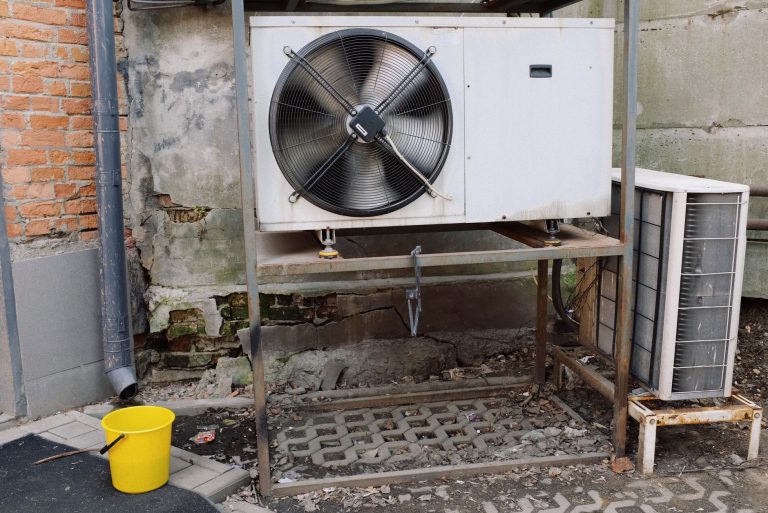

HVAC Replacement Cost Calculator Arlington TX 2026
How Much Does HVAC Replacement Cost in Arlington TX?
In Arlington TX, replacing an HVAC system costs $7,500 to $16,000. Price depends on unit efficiency, home square footage, and current ductwork status.
Replacing your HVAC system is a significant investment for any homeowner living near the I-30 corridor. As our North Texas summers push temperatures well into triple digits, ensuring your home remains a sanctuary requires a reliable, modern heating and cooling setup. Understanding the true costs involved helps you avoid sticker shock and ensures you find a contractor who values quality workmanship. Arlington homeowners often find that investing in a high-efficiency system pays dividends not only in comfort but in property value when it comes time to list their home in our competitive real estate market.
- Average Arlington HVAC replacement ranges from $7,500 to $16,000 depending on SEER2 rating.
- Labor costs in Tarrant County typically add $2,500 to $4,500 to your total project estimate.
- Upgrading to a high-efficiency heat pump can qualify for federal tax credits up to $2,000 in 2026.
- Our HVAC cost calculator helps you estimate your specific installation needs.
- Final decision should balance equipment efficiency with long-term energy savings for your specific floor plan.
When you look at the landscape of professional home services in our city, it is clear that equipment quality, installation precision, and local permit fees all play a role in your final invoice. By using our tools and guides, you can navigate the selection process with the confidence of a seasoned local homeowner. Every installation in our region must also account for specific humidity levels and air quality standards that define the Arlington climate.
What Equipment Factors Drive Up Total Costs?
System capacity, energy efficiency ratings, and the inclusion of smart-home technology features are the primary drivers of higher HVAC pricing.
The sheer variety of equipment available on the market today is staggering. While a basic unit might seem appealing, it is important to consider the long-term energy bills you will face during a typical August in Arlington. Modern systems are no longer just fans and coils; they are highly sophisticated pieces of technology that regulate airflow and moisture to keep your home healthy.
- SEER2 Ratings: Higher-efficiency units command higher upfront costs but lower monthly electric bills.
- Variable Speed Compressors: These provide better humidity control, essential for our humid Texas climate.
- System Tonnage: A 2,500-square-foot home requires more cooling capacity than a smaller ranch-style house.
- Smart Thermostats: Integrating advanced controls often adds $500 to $1,500 to the total package.
- Air Filtration Upgrades: HEPA-grade filtration systems can increase costs but are vital for allergy-sensitive households.
- Dual-Fuel Systems: Combining an electric heat pump with a gas furnace offers maximum flexibility for North Texas winters.
How Does Labor and Installation Complexity Affect the Bill?
Labor costs in the Arlington area vary based on the difficulty of the install, ductwork modifications, and the reputation of the HVAC contractor.
Installation is rarely a “one-size-fits-all” job. If your home has aging ductwork that requires cleaning or repair, your technician may need to dedicate extra days to the project. When vetting pros, remember to check their licensing through the Texas Department of Licensing and Regulation. Our local crews frequently encounter homes in older neighborhoods like those near Randol Mill Park that require extensive retrofitting to house modern components.
| Factor | Price Impact |
|---|---|
| Standard Swap | Low ($2,000–$3,000) |
| Duct Repair/Mod | Moderate ($1,500–$4,000) |
| Electrical Upgrade | Moderate ($500–$1,500) |
| Full System Customization | High ($5,000+) |
| Safety Code Retrofits | Moderate ($800–$2,000) |
Why Does Proper Sizing Prevent Future Expenses?
Incorrectly sized HVAC systems lead to rapid cycling, higher utility bills, and premature component failure, forcing early replacement.
Many homeowners make the mistake of believing that “bigger is always better.” In reality, an oversized air conditioner will cool your home too quickly without removing enough humidity, leading to a damp, clammy interior environment. This constant “short-cycling” puts immense strain on your compressor.
Conversely, an undersized system will run continuously, struggling to keep up with the brutal North Texas sun, which results in skyrocketing energy bills. A professional contractor must perform a Manual J load calculation to determine the exact BTU requirement for your home’s square footage, insulation levels, and window orientation. Investing in an accurate assessment up front is the most effective way to protect your long-term investment.
What Are the Best Ways to Save on HVAC Costs in 2026?
You can save on HVAC replacement by using federal tax credits, seeking local manufacturer rebates, and scheduling installations in the off-season.
Nobody wants to overpay, and in a city as business-conscious as Arlington, there are always ways to optimize your budget. Timing your purchase is often the most overlooked strategy for homeowners. Beyond timing, taking advantage of local financial incentives is a smart move that savvy residents use every year.
Are There Federal or Local Rebates Available?
The Inflation Reduction Act provides tax credits up to $2,000 for energy-efficient heat pumps, plus local utility providers often offer cash rebates.
Always verify current rebate programs through your local utility provider. Many manufacturers also run seasonal promotions during the spring or fall when demand is lower. You can also explore our permit wizard if you are planning to handle multiple home upgrades simultaneously. Often, local installers maintain relationships with regional power cooperatives that offer additional credits for upgrading to specific high-SEER2 equipment.
- Federal Tax Credit: Up to 30% of project costs capped at $2,000 annually.
- Manufacturer Rebates: Look for spring “cool cash” events from major brands.
- Energy Utility Credits: Check with local providers for “smart home” device incentives.
Why Does Scheduling Matter in North Texas?
Booking your installation during the shoulder seasons of spring or autumn avoids the peak demand period, potentially saving on contractor labor.
During the peak of our Texas summer, local HVAC companies are buried in emergency repair calls. Booking your replacement in March or October means your project receives undivided attention and potentially better pricing. Professionals are more likely to offer competitive quotes when their schedule is not fully booked with urgent AC failures. Furthermore, installers working in the heat of a July afternoon may be rushed, whereas shoulder-season installations allow for meticulous attention to calibration and testing.
How Should You Vet an Arlington HVAC Contractor?
Verify state-required HVAC licenses, request itemized quotes for materials and labor, and always check recent local customer reviews online.
A great machine installed poorly will fail faster than a budget machine installed correctly. Choosing the right partner is just as important as choosing the right unit. Our contractor directory serves as a starting point to find established, vetted professionals in our area. You should prioritize contractors who have a long-standing physical presence within the Arlington or Greater DFW metro area rather than out-of-town firms that lack local accountability.
Should You Always Ask for Multiple Quotes?
Always obtain at least three written, detailed quotes from local Arlington professionals to ensure fair market pricing for your specific project.
Comparing quotes is more than just looking at the bottom-line price. Pay attention to the specific model numbers provided and whether the estimate includes the removal and disposal of your old system. If you want a smooth experience, ensure the contractor is local and accessible after the job is finished. Look specifically for the inclusion of warranty details in your written agreement, as reputable installers will stand behind their labor for at least one to two years.
What Are the Red Flags of an Unqualified Installer?
Avoid contractors who push for cash payments only, refuse to pull necessary municipal permits, or provide suspiciously low quotes without inspecting the home.
A legitimate contractor will never discourage you from verifying their license or permit documentation. They should be transparent about the local building codes in Arlington. If someone promises a price that seems “too good to be true,” it usually indicates they are cutting corners on the installation process or using outdated equipment that may not meet current efficiency mandates. Always confirm their TDLR license number before allowing them to touch your unit.
Frequently Asked Questions About HVAC Replacement
-
How often should I replace my HVAC system?
Most modern residential HVAC systems in Arlington last 12 to 15 years, provided they receive regular semi-annual maintenance checkups.
-
Is it better to repair or replace a system?
If repairs exceed 50% of the cost of a new system or the unit is over 12 years old, total replacement is usually the better investment choice.
-
Do I need a permit for HVAC replacement?
Yes, the City of Arlington requires a mechanical permit for most HVAC replacements to ensure the work meets local safety and efficiency standards.
-
How long does the installation process typically take?
A standard residential HVAC system replacement in an average Arlington home typically takes one to two full days of work to complete.
-
Can I finance my HVAC replacement in Arlington?
Many local HVAC companies offer financing options or partner with lenders to allow homeowners to spread the cost over monthly installments.
-
What is SEER2 and why does it matter?
SEER2 measures cooling efficiency; higher ratings mean the system uses less electricity to cool your home, which is crucial for Arlington summers.
Conclusion
Navigating the costs of home maintenance in Arlington requires a local perspective and a careful eye for detail. By understanding the factors that influence your HVAC pricing, you are better equipped to make a choice that balances your immediate budget with your home’s long-term efficiency and comfort. Whether you are dealing with an aging system or simply looking to upgrade for lower energy bills, remember to use our resources, research your contractors, and plan for the long-term benefit of your home. If you are ready to get started, you can use our local tools to compare your options and ensure your next project is a success. Building a resilient home in Arlington starts with the right climate control foundation.
[abc_quote_form service=’hvac’]