What Is the Outlook for the DFW Economy in 2026?
The DFW economy in 2026 is defined by diversified growth across aerospace, logistics, and professional services, maintaining a steady expansion despite national interest rate pressures. This resilience is anchored by major corporate headquarters continuing to filter into the region, balancing out the cooling trends observed in other large metropolitan markets.
⚡ In a Rush? Key Takeaways
- Regional unemployment remains stable at approximately 3.8 percent through mid-2026.
- Over 45,000 new jobs are projected in the North Texas logistics corridor this year.
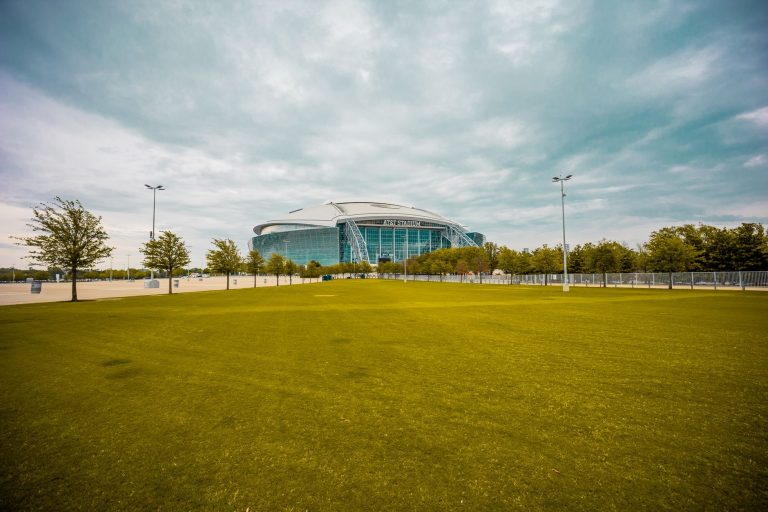
- World Cup 2026 events in Arlington will generate an estimated $400 million in local impact.
- Commercial office occupancy in Arlington continues to trend 12 percent higher than the national average.
- ✅ Diversification into tech and manufacturing remains the key driver of long-term economic stability.
How Do Major Industry Sectors Drive DFW Economic Growth?
Regional growth is powered by aerospace, defense, logistics, and corporate relocations, which sustain employment and demand for commercial real estate.
What Is the Role of the Aerospace and Defense Sector?
Aerospace and defense remain core, with over 150,000 jobs supported by companies like Lockheed Martin and Bell Textron across the regional footprint.
As a civic journalist covering our local industrial landscape, I see how these massive manufacturers anchor the entire economy. They provide high-wage stability that buffers the region during national downturns.
- Consistent government contract flow ensures long-term employment.
- Supply chain localization brings smaller machine shops to Arlington.
- Direct investment in local workforce training programs fuels the pipeline.
Why Does the Logistics Corridor Thrive Near Arlington?
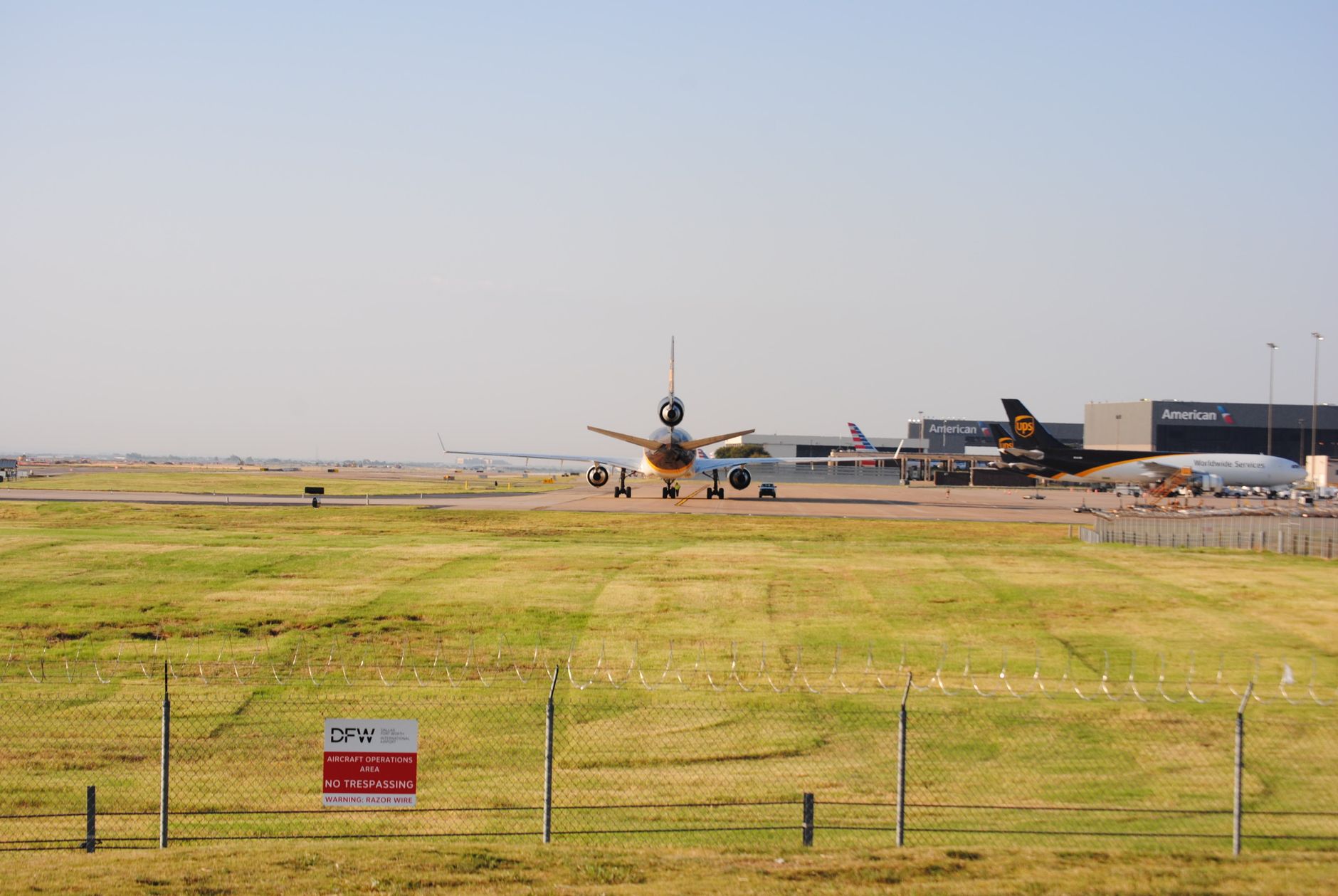
Logistics thrives due to the intersection of I-20, I-30, and DFW Airport, creating a massive hub for third-party distribution centers.
The industrial surge along the I-20 corridor isn’t just about trucks; it is about the integration of automated warehouse technology. This sector has evolved from simple storage to high-tech fulfillment, requiring skilled labor and consistent utility infrastructure.
| Factor | Impact on Economy |
|---|---|
| Connectivity | High |
| Job Creation | High |
| Land Utility | Moderate |
How Is the Technology Sector Contributing to DFW Growth?
DFW’s technology sector is expanding rapidly, driven by corporate relocations, startup incubators, and a growing talent pool from local universities.
Established firms such as Texas Instruments, AT&T, and a surge of fintech, health‑tech, and AI companies are establishing regional hubs, adding thousands of high‑skill jobs.
Initiatives like the Dallas Innovation Alliance and the Arlington Technology Incubator provide seed funding, mentorship, and lab space, helping early‑stage ventures scale while retaining talent in North Texas.
What Economic Impact Does the World Cup 2026 Have on Arlington?
The 2026 tournament creates a short-term massive surge in hospitality, retail, and tourism revenue exceeding hundreds of millions of dollars.
How Is Local Hospitality Scaling for the World Cup?
Local hotels are operating at near-full capacity, with occupancy rates exceeding 90 percent for the duration of the international tournament.
For those tracking accommodation availability, the ripple effect goes beyond the hotel lobby. Our local restaurant and retail sectors are adjusting inventory and staffing to handle an influx of global visitors.
- Extended operating hours for Entertainment District venues.
- Increased demand for short-term staffing and gig-economy services.
- Strategic upgrades to local transport and event infrastructure.
What Does the Increased Tourism Mean for Small Business?
Small businesses are experiencing a significant bump in revenue, though they must navigate the challenges of temporary, peak-period operational costs.
When I speak to business owners in the Lincoln Square area, the sentiment is one of cautious optimism. The goal is to leverage this global spotlight to build lasting brand awareness rather than just chasing a single month of revenue.
How Do Professionals and Students Benefit From the Local Job Market?
The integration of university research and private industry creates a unique environment for professional growth and internship opportunities.
What Is the Connection Between UTA and Local Employers?
Strategic partnerships between UTA and the defense sector provide a direct path for graduates to enter high-paying technical careers immediately.
This creates a self-sustaining cycle where the workforce is trained on the exact equipment used by the employers in our own backyard. For anyone interested in the current wage benchmarks for these roles, the data shows sustained upward pressure on starting salaries.
- Engineering and IT internship placements are at record highs.
- Applied research labs are driving new business startups in the city.
- Educational alignment with regional economic needs is a local priority.
Frequently Asked Questions About the DFW Economy
-
Is the DFW economy cooling off in 2026?
No, the regional economy is moderating rather than cooling, with sustained growth in industrial sectors offsetting slower residential demand.
-
What is the biggest risk to the local economy?
Infrastructure stress and rising operational costs for small businesses are the primary risks to continued economic expansion this year.
-
How is Arlington positioned relative to Dallas?
Arlington maintains a unique economic identity centered on manufacturing, logistics, and tourism, distinct from the financial focus of Dallas.
The economic narrative for 2026 in North Texas remains fundamentally positive, driven by structural advantages that are hard for other regions to replicate. By continuing to invest in both our industrial base and our student workforce, we ensure that Arlington remains a vital engine for the broader DFW economy.