What Is the Economic Outlook for the DFW Metroplex in 2026?
The DFW economy in 2026 maintains its status as a top-tier national engine, characterized by 3.2% annual job growth and a diversified industrial base that shields it from broader sector volatility. This growth is anchored by massive investments in the I-20 and I-30 corridors and the unprecedented infrastructure demand tied to hosting the FIFA World Cup 2026.
⚡ In a Rush? Key Takeaways
- Regional job growth continues at a robust 3.2% pace through mid-2026.
- Logistics and industrial sectors account for 15% of total regional employment.
- World Cup 2026 activity is projected to inject over $500 million into the local economy.
- Arlington remains a lower-cost hub compared to Dallas or Plano city centers.
- Verdict: DFW business expansion is a safe bet for mid-term capital investment.
How Is the Industrial Sector Shaping Regional Growth?
The DFW industrial sector drives regional growth through massive warehousing and logistics expansion, currently employing over 400,000 residents.
As someone who spends a lot of time monitoring the industrial corridor along I-20, I have seen how central our logistics network is to our regional health. The growth we see here isn’t just about moving packages; it is about sustaining the supply chain for the entire southern United States.
Why Is the Eastern Corridor Near Highway 360 Expanding?
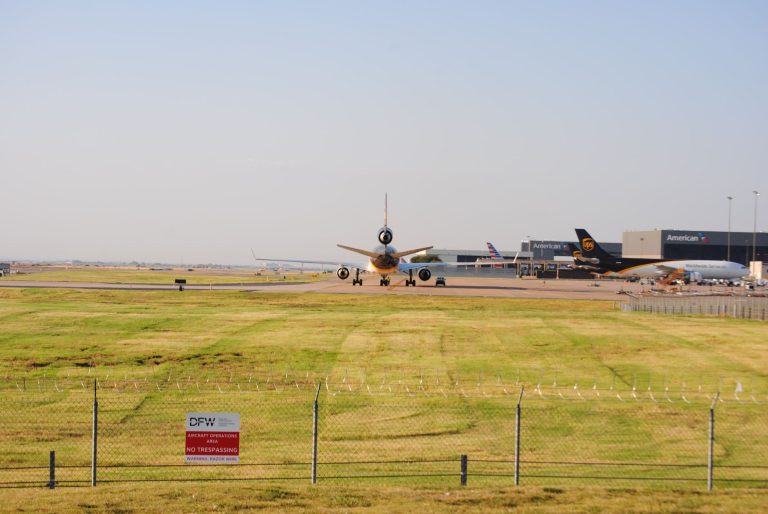
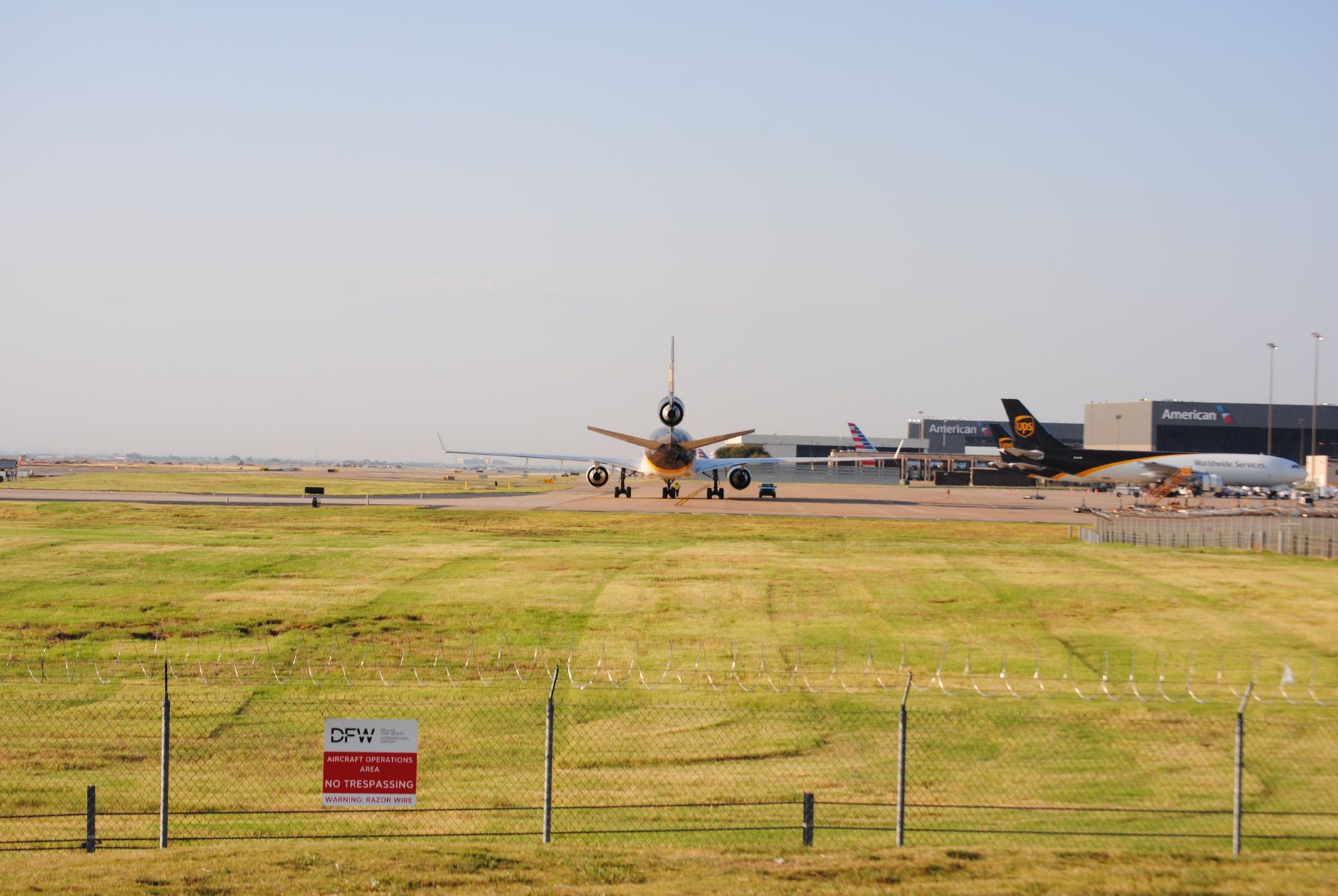
The eastern industrial corridor near Highway 360 is expanding due to its proximity to DFW Airport and available land for large-scale facilities.
This area has become a primary target for third-party logistics firms seeking efficient access to transit arteries. The infrastructure investment in this specific strip has invited millions in capital expenditure.
- Proximity to DFW Airport minimizes last-mile delivery costs for firms.
- Large land parcels allow for modern, multi-tenant warehouse footprints.
- Tax incentive programs continue to attract regional distribution hubs here.
- Highway 360 provides a direct link to both I-30 and I-20 corridors.
What Role Do Manufacturing Hubs Play in Local Stability?
Manufacturing hubs like those near Lockheed Martin provide stable, high-wage jobs that anchor the broader DFW economic landscape in 2026.
We are not just a service economy. Our deep roots in aerospace and defense manufacturing create a buffer against the boom-and-bust cycles that hit other tech-heavy markets.
| Industry Sector | Wage Growth % | Market Stability |
|---|---|---|
| Aerospace | 4.8% | Very High |
| Logistics | 3.5% | High |
| Retail | 2.1% | Moderate |
Why Is the World Cup 2026 a Pivotal Economic Driver?
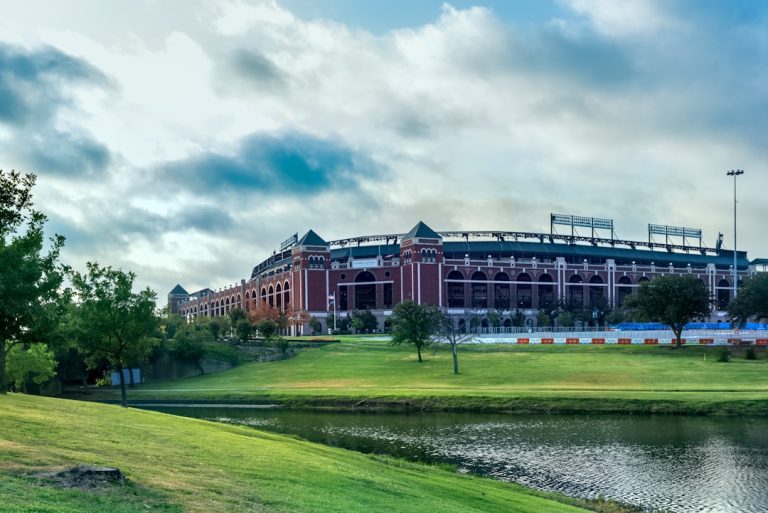
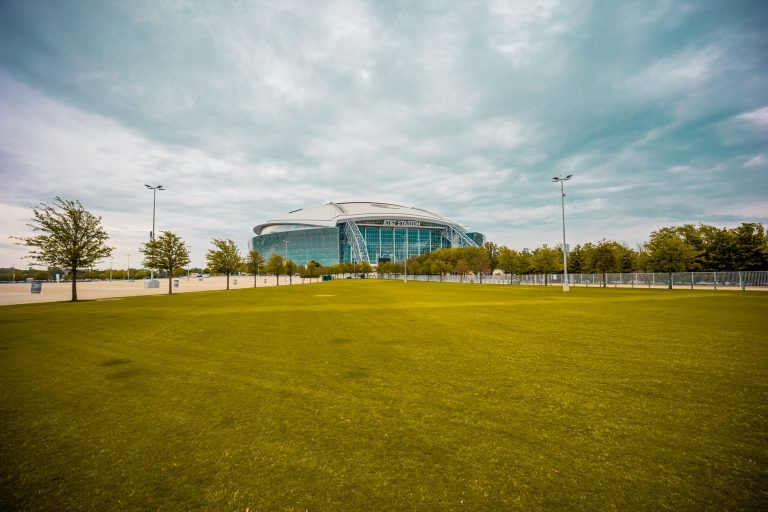
The World Cup 2026 serves as a massive economic catalyst by driving short-term tourism, hospitality demand, and infrastructure upgrades today.
When we look at the World Cup 2026 initiatives, we aren’t just talking about sports. We are talking about the largest concentrated injection of tourism dollars our city has ever witnessed.
How Does Hospitality Demand Impact Small Business Revenue?
Hospitality demand during the World Cup drives a 20-30% revenue boost for local restaurants, bars, and service providers in the area.
Local business owners are preparing by scaling operations and extending service hours. This window offers a unique opportunity for businesses that have struggled to find their footing in a post-pandemic environment.
- Extended dining hours capture post-match event traffic.
- Increased demand for event-related professional services like transportation.
- Opportunity to capture international consumer spending segments.
- Spillover benefits for local retail and specialty gift shops.
What Infrastructure Upgrades Support Long-Term Economic Gains?
Infrastructure upgrades like improved transit shuttles and road expansions provide long-term utility for local commuters and future businesses.
The investments made for the tournament do not disappear when the matches end. They leave behind a more capable transport grid that benefits every local starting a business in Arlington this decade.
What Are the Emerging Trends in the DFW Job Market?
Emerging trends in the DFW job market favor skilled trades, healthcare services, and professional roles within the growing tech sector.
Finding the right talent remains the primary challenge for growing firms in our region. We see a significant shift toward technical certification over traditional degrees for many middle-skill roles.
Are Skilled Trades Becoming the New Economic Backbone?
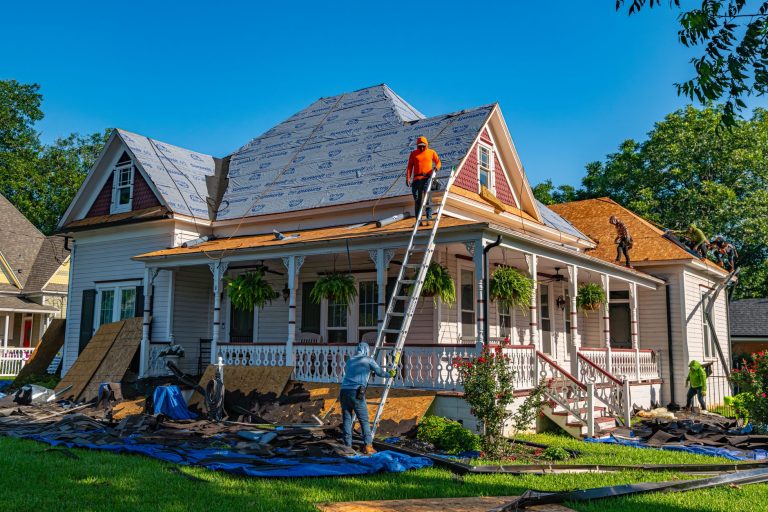
Skilled trades like plumbing, HVAC, and electrical work now offer starting salaries of $60,000–$80,000 due to severe regional shortages.
I have spoken with countless contractors who simply cannot hire fast enough to meet demand. If you are exploring the current workforce trends, look no further than these essential service sectors.
- High demand for licensed HVAC technicians during Texas summer heat.
- Plumbing professionals remain in constant demand due to aging housing stock.
- Electrical work associated with smart-home and industrial upgrades.
- Strong wage competition among firms to secure qualified workers.
How Does the UTA Ecosystem Influence Local Talent?
UTA’s 42,000 students provide a pipeline of fresh engineering and business talent that keeps the regional economy competitive and agile.
The collaboration between UTA and the local corporate sector is deepening every year. It bridges the gap between academic theory and practical business application in the DFW area.
Frequently Asked Questions About the DFW Economy
-
Is the DFW economy cooling off in 2026?
The DFW economy remains strong in 2026, with sustained job growth and industrial expansion offsetting cooling trends seen in other regions.
-
What is the biggest risk to Arlington businesses today?
The primary risk is the rising cost of commercial lease space combined with a tightening labor market for skilled technical positions.
-
How does DFW compare to other Texas metros?
DFW offers a more diverse economic base than Austin or Houston, relying less on single-industry booms and more on multi-sector stability.
-
Are small businesses finding grants in 2026?
Yes, local economic development offices have increased the availability of specialized grants for businesses within the Entertainment District.
-
Should I move my business to Arlington now?
Arlington remains a high-value entry point for businesses needing central access to the DFW metroplex without paying premium city-center rents.
The DFW economy is not just surviving; it is evolving to meet the demands of a global market. By focusing on industrial reliability, tourism infrastructure, and workforce development, the region positions itself as a long-term leader.