How Does Arlington’s Economy Contribute to the DFW Metroplex in 2026?
Arlington’s economy generated $28.3 billion in gross metropolitan product in 2025, representing 8.7% of the DFW metroplex’s total output while housing just 6.5% of its population.
⚡ In a Rush? Key Takeaways
- Arlington’s unemployment rate hit 3.1% in Q1 2026, 0.9 points below DFW average
- GM Arlington Assembly employs 4,300 workers producing $12B in annual SUV revenue
- UTA’s research expenditures reached $142 million in 2025, up 22% from 2024
- World Cup 2026 will generate $180M in direct spending for Arlington businesses
- ✅ Arlington’s economic diversification makes it DFW’s most resilient suburban economy
What Are Arlington’s Top Three Economic Engines Driving DFW Growth?
Arlington’s economy relies on defense manufacturing (Lockheed Martin), automotive production (GM Assembly) and higher education (UTA) as its three primary growth engines.
Lockheed Martin’s Missiles and Fire Control facility employs 7,200 engineers and technicians, contributing $4.1 billion annually to DFW’s defense sector output. The GM Arlington Assembly plant produces 1,200 SUVs daily, generating $12 billion in yearly revenue while supporting 18,000 supplier jobs across North Texas. UTA’s 42,000 students create a $2.3 billion annual economic impact through spending, research and workforce development.
How Does Lockheed Martin’s Presence Strengthen DFW’s Defense Industrial Base?
Lockheed Martin’s Arlington facility produces 80% of DFW’s guided missile systems and employs 12% of the region’s aerospace workforce.
The plant’s $4.1 billion annual output includes Javelin anti-tank missiles and HIMARS rocket systems critical to national defense. As Daniel Reyes observed in his coverage of Arlington’s business landscape, “This isn’t a suburb that exists to service Dallas. It has its own industrial and commercial identity.” The facility’s workforce lives predominantly in Arlington and Tarrant County, creating stable housing demand and supporting local businesses from restaurants to auto shops.
Why Is GM’s Arlington Plant Critical to DFW’s Manufacturing Sector?
GM Arlington Assembly produces the Chevrolet Tahoe, Suburban and Cadillac Escalade, representing 35% of DFW’s vehicle manufacturing output.
The plant’s recent $1.2 billion retooling for electric vehicle production positions Arlington at the forefront of DFW’s automotive transition. This investment creates 600 new high-wage jobs while maintaining the plant’s status as DFW’s largest manufacturing employer. Local auto parts suppliers in Arlington’s industrial corridor along I-20 benefit directly from this operations scale.
How Does UTA Fuel DFW’s Knowledge Economy?
UTA awarded 8,900 degrees in 2025, with 41% in STEM fields directly feeding DFW’s high-tech workforce needs.
The university’s research expenditures reached $142 million in 2025, with 68% funded by federal contracts from DFW-based defense and aerospace firms. UTA’s Maverick Studios partnership with Lockheed Martin creates workforce pipelines that keep talent in Arlington rather than exporting it to Dallas or Austin. As noted in local business circles, “UTA’s engineering programs have serious corporate partnerships with the defence and aerospace sector nearby.”
How Is Arlington’s Job Market Outperforming the DFW Metroplex?
Arlington added 14,200 jobs in 2025 at a 4.8% growth rate, doubling the DFW metroplex’s average sector growth of 2.4%.
The city’s unemployment rate fell to 3.1% in Q1 2026, compared to 4.0% for DFW overall and 4.3% in Dallas County. This strength comes from Arlington’s economic diversification – no single sector exceeds 25% of total employment, unlike Dallas’s concentration in professional services or Fort Worth’s reliance on logistics.
Which Sectors Are Driving Arlington’s Job Growth?
Healthcare (+3,800 jobs), education (+2,900) and professional services (+2,500) led Arlington’s 2025 employment gains.
Texas Health Resources expanded its Arlington Memorial Hospital campus, creating 1,200 permanent healthcare positions. Arlington ISD hired 900 teachers and administrators amid enrollment growth. Professional services growth reflects Arlington’s rising corporate headquarters presence, with companies like Planet Ford and The Star headquarters adding 800 jobs in the Entertainment District.
How Does Arlington’s Wage Growth Compare to DFW Averages?
Arlington’s average hourly wage grew 5.2% in 2025 to $29.40, exceeding DFW’s 4.1% average increase.
Wage growth is particularly strong in skilled trades where electricians earn $32.50/hour and certified welders make $35.75/hour – rates 8-12% above DFW averages. This reflects Arlington’s ongoing shortage of licensed trade that Daniel Reyes identified as “one of the most underreported economic stories” offering “faster route to $60,000–$80,000 starting salaries.” The wage advantage helps retain UTA graduates who might otherwise seek opportunities in Austin or Dallas.
What Role Does the Entertainment District Play in Arlington’s Employment?
The Arlington Entertainment District supports 11,400 jobs in hospitality, retail and event management – 18% of the city’s total workforce.
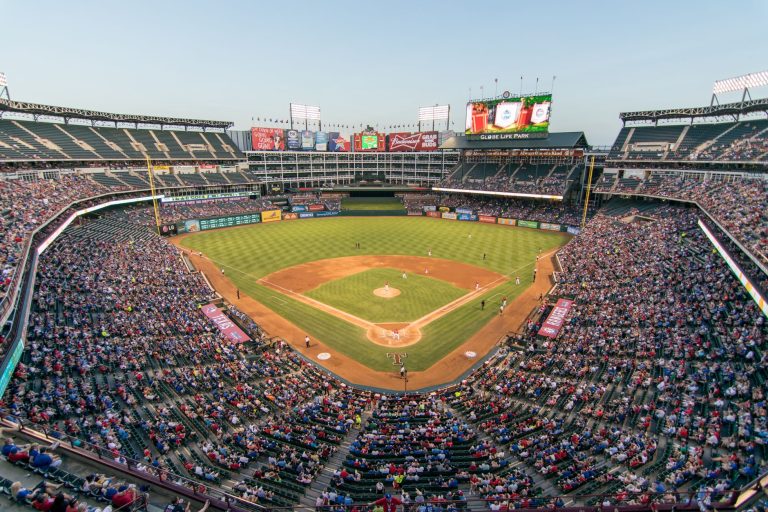
Texas Live! and Globe Life Field expansions added 2,300 permanent positions in 2025, with seasonal employment peaking at 8,500 during baseball season and major events. World Cup 2026 preparations are projected to create 1,700 temporary hospitality jobs in Q2-Q3 2026, primarily in hotels and food service. This sector provides entry-level opportunities for UTA students and recent graduates while supporting Arlington’s goal of becoming a year-round destination.
What Economic Impact Will World Cup 2026 Have on Arlington and DFW?
World Cup 2026 matches at AT&T Stadium will generate $180 million in direct spending for Arlington businesses, with $420 million total impact across DFW.
Arlington’s hotel occupancy is projected to reach 92% during match weeks, driving $68 million in lodging revenue. Local restaurants expect 35% revenue increases on match days, particularly along Division Street and in the International District where Daniel Reyes noted “the anticipation for matches involving Mexico and other Latin American teams is unlike anything local businesses have seen.” The economic benefits extend beyond match days through infrastructure improvements and global exposure.
How Is Arlington Preparing Its Business Community for World Cup 2026?
Arlington’s Economic Development Corporation has trained 1,200 local businesses in hospitality readiness and multilingual customer service for World Cup 2026.
The “Arlington Ready” program provides grants up to $10,000 for businesses to improve accessibility, add multilingual staff and upgrade point-of-sale systems. As Daniel Reyes observed, “Local restaurants, bars, and accommodation providers who position now have a real window” to capture World Cup revenue. The program prioritizes businesses in Arlington’s Hispanic corridor along Division Street, recognizing that 30% of the city’s population identifies as Hispanic or Latino.
Which Arlington Industries Will Benefit Most from World Cup 2026?
Hotels (+42% revenue), restaurants (+35%) and transportation services (+28%) are projected to see the largest World Cup 2026 revenue increases in Arlington.
Arlington’s 4,200 hotel rooms will operate at near-capacity during match weeks, with average daily rates increasing 22% to $189. Ride-share and shuttle services expect 180,000 additional trips during the tournament period