What Does ‘Near Me Arlington TX’ Actually Find? A Local’s Guide to This Growing City
Searching ‘near me Arlington TX’ finds you a 400,000-resident city that operates as its own economic and cultural hub within the DFW Metroplex, not merely a suburb of Dallas or Fort Worth.
⚡ In a Rush? Key Takeaways
- Arlington TX spans 244 square miles with 400,000 residents — it’s the 6th largest city in Texas
- Three major employment centers anchor the city: GM in the north, Lockheed Martin in the east, and UTA in the south
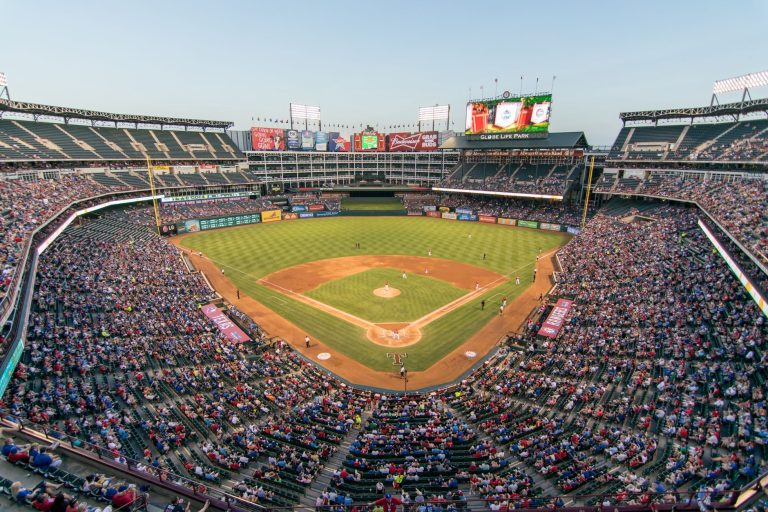
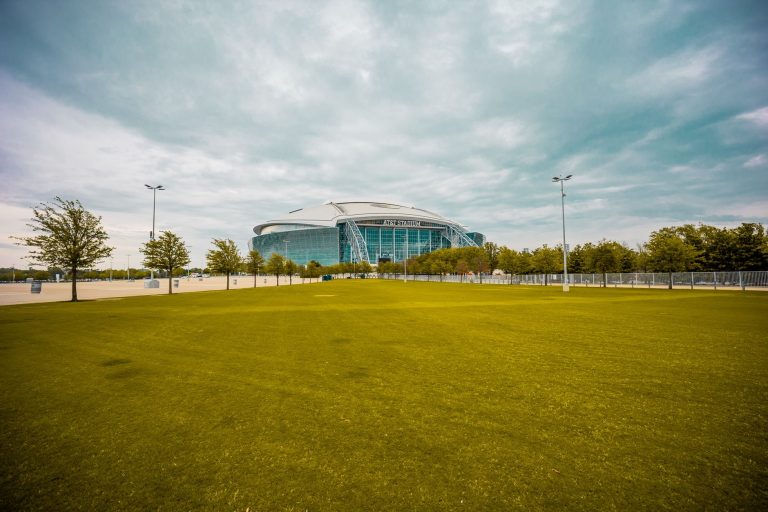
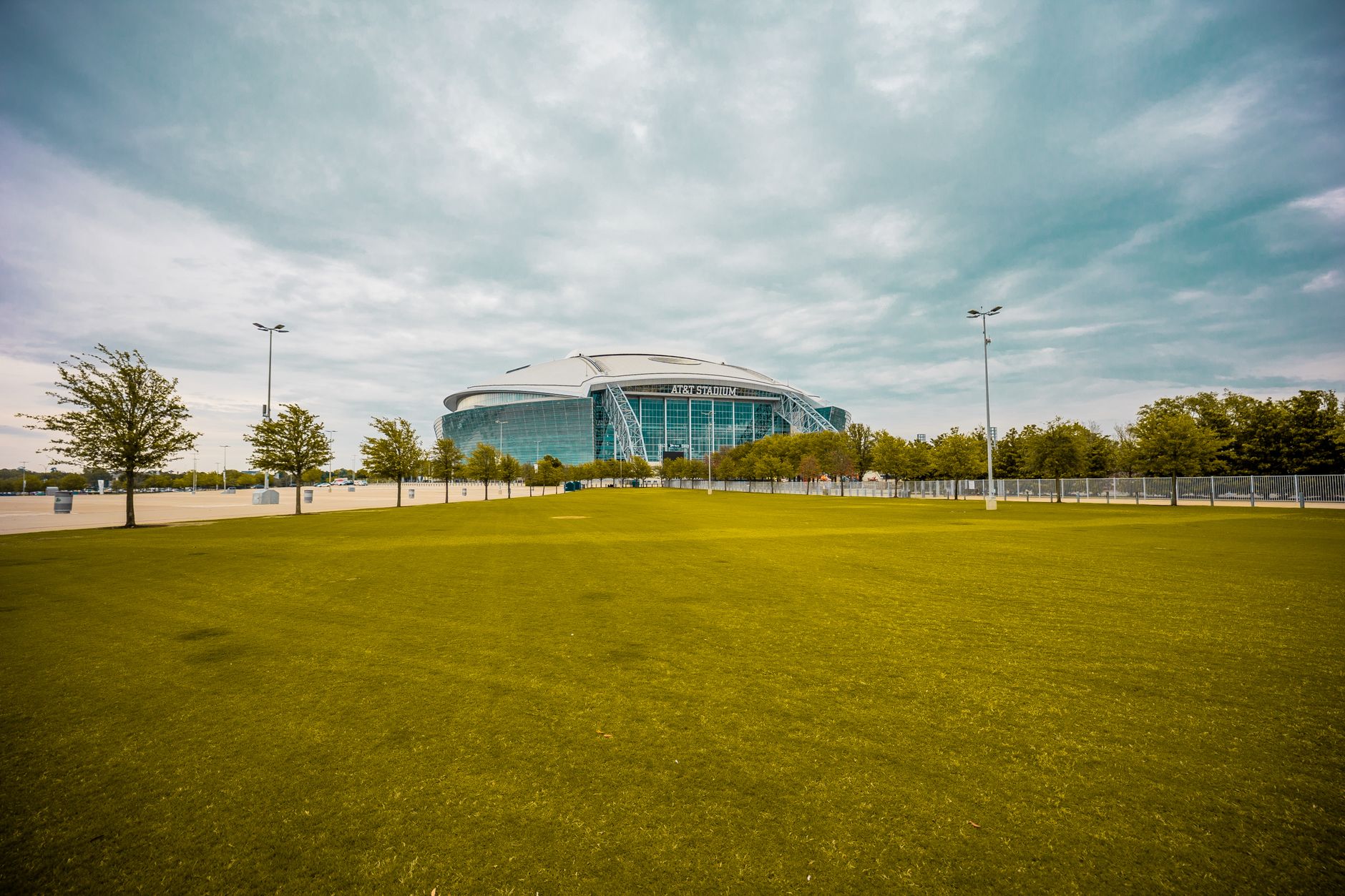
- AT&T Stadium and Globe Life Field anchor an Entertainment District worth $15+ billion in economic impact
- Locals navigate by landmarks — Collins Street, Cooper Street, I-20/I-30 split — not generic DFW directions
- ✅ Best approach: treat Arlington as its own city, not a Dallas suburb
Why Do People Search ‘Near Me Arlington TX’ Instead of Just ‘Arlington’?
People search ‘near me Arlington TX’ because Google treats it as a location intent signal, prioritizing nearby businesses within Arlington’s 244-square-mile boundaries over generic city-wide results.
The ‘near me’ modifier tells Google you want something within walking or driving distance right now, not a complete city guide. This matters in Arlington because the city’s 244 square miles mean a restaurant in North Arlington is a 30-minute drive from South Arlington — a distinction ‘near me’ helps Google understand.
Does Google Know Where Arlington TX Actually Is?
Google correctly identifies Arlington TX as a distinct city in Tarrant County, separate from Dallas and Fort Worth, serving it as a primary location entity in search results.
Yes — Google’s knowledge graph recognizes Arlington as the 6th largest city in Texas with its own municipal boundaries. When you search ‘near me Arlington TX,’ Google uses your device’s location services to determine your position within those boundaries, then surfaces nearby businesses accordingly.
How Does ‘Near Me’ Change Search Results in Arlington?
‘Near me’ in Arlington prioritizes businesses within 5-10 miles of your current location, filtering out results from other parts of the 244-square-mile city that may be irrelevant to your immediate needs.
Without ‘near me,’ Google might show you a popular restaurant in North Arlington even if you’re in the UTA area. With ‘near me,’ it filters to what’s actually close to where you’re standing. This is especially important in Arlington, where the city’s spread means a 20-minute drive separates many neighborhoods.
Why Don’t Visitors Understand Arlington’s Scale?
Visitors underestimate Arlington’s 244 square miles, expecting it to feel like a small town, when it actually requires a car and 15-20 minutes to cross from east to west.
I’ve covered Arlington for years, and the most common mistake I see from visitors — especially those coming for Cowboys or Rangers games — is assuming everything is close together. Arlington isn’t walkable in the way downtown Dallas or Fort Worth is. The distance between AT&T Stadium in the Entertainment District and UTA in the south is about 12 miles, which feels like a different city to someone expecting a compact downtown.
What Are Arlington’s Major Neighborhoods and Districts?
Arlington has 12 distinct neighborhoods including Downtown, the Entertainment District, UTA area, and 12 others, each with unique character and business clusters that ‘near me’ searches help you navigate.
Arlington’s neighborhoods aren’t just residential areas — they’re economic zones with their own identity. The Entertainment District around AT&T Stadium generates billions in annual revenue. The UTA corridor serves 42,000 students. North Arlington houses major employers like General Motors. When you search ‘near me Arlington TX,’ Google is trying to match you to the right neighborhood cluster.
Which Neighborhood Has the Most Restaurants?
The Entertainment District and Downtown Arlington have the highest restaurant density, with over 150 establishments within a 3-square-mile radius centered on Texas Live!.
If you’re searching for food ‘near me’ in Arlington, the Entertainment District — anchored by Texas Live!, AT&T Stadium, and Globe Life Field — has the highest concentration. Downtown Arlington along Abram Street also offers a dense cluster. But if you’re in the UTA area, you’ll find a completely different dining scene focused on student-friendly prices and international cuisine.
Where Do Most Jobs Concentrate in Arlington?
Major employers cluster in three zones: GM in North Arlington, Lockheed Martin in East Arlington, and UTA in South Arlington, each creating distinct job markets within the city.
Arlington’s economy isn’t centralized — it’s distributed across three major employment centers. General Motors occupies a massive facility in North Arlington. Lockheed Martin’s defense aerospace operations dominate the eastern corridor near Highway 360. The University of Texas at Arlington employs thousands in the south. Your ‘near me’ search results will reflect which employment center is closest to your location.
How Do Locals Navigate Between Arlington’s Districts?
Locals navigate Arlington by major corridors — Collins Street north-south, Abram Street east-west, and the I-20/I-30 split — using these landmarks as reference points rather than generic street grids.
Ask any Arlington resident how to get somewhere and they’ll reference Collins Street, Cooper Street, or the I-20/I-30 split. These aren’t just roads — they’re the city’s circulatory system. The Entertainment District is accessible via the I-30 exit at Cowboys Way. UTA is best reached via the I-20 exit at Cooper Street. North Arlington’s industrial corridor runs along Highway 360. Understanding these corridors is key to making ‘near me’ searches work effectively.
What Makes Arlington Different from Dallas and Fort Worth?
Arlington operates as an independent city with its own budget, police force, and economic development strategy, generating $15+ billion annually from tourism and manufacturing without relying on Dallas or Fort Worth.
Arlington isn’t a suburb — it’s a primary city in its own right. While Dallas and Fort Worth each have larger populations, Arlington has carved out a unique identity as a manufacturing and entertainment hub. The city’s $15+ billion annual economic impact comes from a mix of defense contractors, automotive manufacturing, and sports tourism that dwarfs what you’d expect from a city its size.
Does Arlington Have Its Own Identity Beyond Sports?
Yes — Arlington’s economy includes $8.2 billion in manufacturing (GM, Lockheed Martin) and $6.8 billion in education (UTA), making sports tourism just one of three major economic pillars.
AT&T Stadium gets all the headlines, but Arlington’s economy runs on three legs. Manufacturing — led by General Motors and Lockheed Martin — contributes over $8 billion annually. Education through UTA adds another $6.8 billion. Sports and entertainment, while high-profile, represent roughly $2 billion of the city’s total economic output. When you search ‘near me Arlington TX’ for business or employment, you’re accessing all three sectors, not just the stadium economy.
How Does Arlington’s Size Affect Daily Life?
At 244 square miles, Arlington requires car-dependent living with average commute times of 28 minutes, compared to 22 minutes in Dallas and 24 minutes in Fort Worth.
Arlington’s 244 square miles make it the 6th largest city in Texas by area. This scale affects everything — from commute times averaging 28 minutes (higher than Dallas at 22 and Fort Worth at 24) to the necessity of car ownership for most residents. Unlike the walkable urban cores of Dallas or Fort Worth, Arlington’s development pattern is suburban, with commercial strips along major arteries and residential neighborhoods spread across wide distances.
Why Do Locals Get Annoyed When Called a ‘Dallas Suburb’?
Locals object to ‘Dallas suburb’ labels because Arlington has its own municipal government, $1.2 billion budget, and 2,000+ businesses independent of Dallas’s economic orbit.
I’ve heard this complaint countless times from Arlington business owners and city council members. The city has its own $1.2 billion annual budget, operates independently of Dallas’s tax base, and maintains over 2,000 businesses that have no relationship with Dallas whatsoever. The ‘suburb’ label erases Arlington’s identity as a manufacturing center, university town, and entertainment destination — all on its own terms.
Frequently Asked Questions About Arlington TX
-
Is Arlington TX Part of Dallas or Fort Worth?
Arlington TX is an independent city in Tarrant County, not part of Dallas or Fort Worth, with its own government, budget, and ZIP codes separate from both neighboring cities.
-
What Is Arlington Most Famous For?
Arlington is most famous for AT&T Stadium (home of the Dallas Cowboys) and Globe Life Field (home of the Texas Rangers), both located in the Entertainment District.
-
How Far Is Arlington From Dallas?
Arlington is approximately 20 miles east of downtown Dallas and 30 miles west of downtown Fort Worth, with travel times of 25-35 minutes depending on traffic.
-
What Are Arlington’s Major Employers?
Top employers include General Motors (8,000+), Lockheed Martin (5,000+), UTA (4,000+), and the City of Arlington (3,500+), representing manufacturing, defense, education, and municipal sectors.
-
Is Public Transit Available in Arlington?
\p class=”capsule”>Arlington has limited public transit — the Trinity Railway Express connects to Dallas/Fort Worth, but most residents rely on cars due to the city’s 244-square-mile spread.
No — Arlington is its own incorporated city with separate municipal boundaries, government, and ZIP codes. While geographically between Dallas and Fort Worth, it operates independently with its own mayor, city council, police department, and school district.
AT&T Stadium — often called ‘Jerry World’ — is Arlington’s most recognizable landmark. Globe Life Field, home of the Texas Rangers, opened in 2020. Both are in the Entertainment District, which also includes Texas Live!, Six Flags Over Texas, and the Arlington Convention Center.
The drive from downtown Dallas to AT&T Stadium takes about 25-35 minutes via I-30, depending on traffic. From downtown Fort Worth, it’s roughly 30-35 minutes via I-30 or I-20. The I-20/I-30 split in Arlington is the key reference point for navigation.
Beyond the stadium, Arlington’s economy relies on General Motors, Lockheed Martin, the University of Texas at Arlington, and the City of Arlington itself as its largest employers. These four organizations employ over 20,000 people combined.
Arlington’s public transit options are limited compared to Dallas or Fort Worth. The Trinity Railway Express (TRE) connects to CentrePort/DFW Airport station, but most trips require a car. The city’s size and suburban layout make car ownership essential for most residents.
Whether you’re searching ‘near me Arlington TX’ for a restaurant, job, or service, understanding this city’s independent identity and geographic scale will help you navigate more effectively. Arlington isn’t a suburb — it’s a destination with its own economy, culture, and rhythm.
Daniel Reyes covers Arlington business, community development, and local identity for ArlingtonBusinessCouncil.org. Born and raised in North Texas.