How Does the DFW Economy Work in 2026?
The DFW economy in 2026 is powered by logistics, aerospace, tech, and healthcare sectors generating over $400 billion annually with a 3.2% unemployment rate — making it one of the fastest-growing major metro economies in the U.S.
⚡ In a Rush? Key Takeaways
- DFW GDP exceeds $400 billion in 2026, ranking 10th-largest metro economy nationwide.
- Unemployment sits at 3.2%, below the national average of 3.9%.
- Logistics and aerospace employ over 400,000 workers across the region.
- Arlington’s industrial corridor along I-20 generates $18 billion in annual economic activity.
- ✅ Recommendation: Leverage DFW’s supply chain infrastructure for business expansion in 2026.
What Drives the DFW Economy in 2026?
The DFW economy thrives on logistics, aerospace, tech, and healthcare, with supply chains anchored by DFW International Airport and major distribution hubs.
The DFW metroplex economy in 2026 is anchored by four dominant sectors: logistics and distribution, aerospace and defense, technology, and healthcare. These sectors collectively generate over $400 billion in annual economic output and support more than 4 million jobs across the 13-county region.
How Does Logistics Power the DFW Economy?
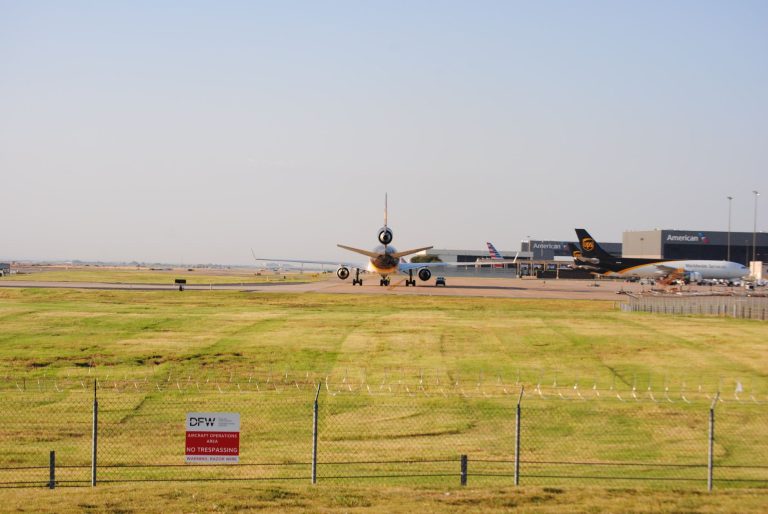
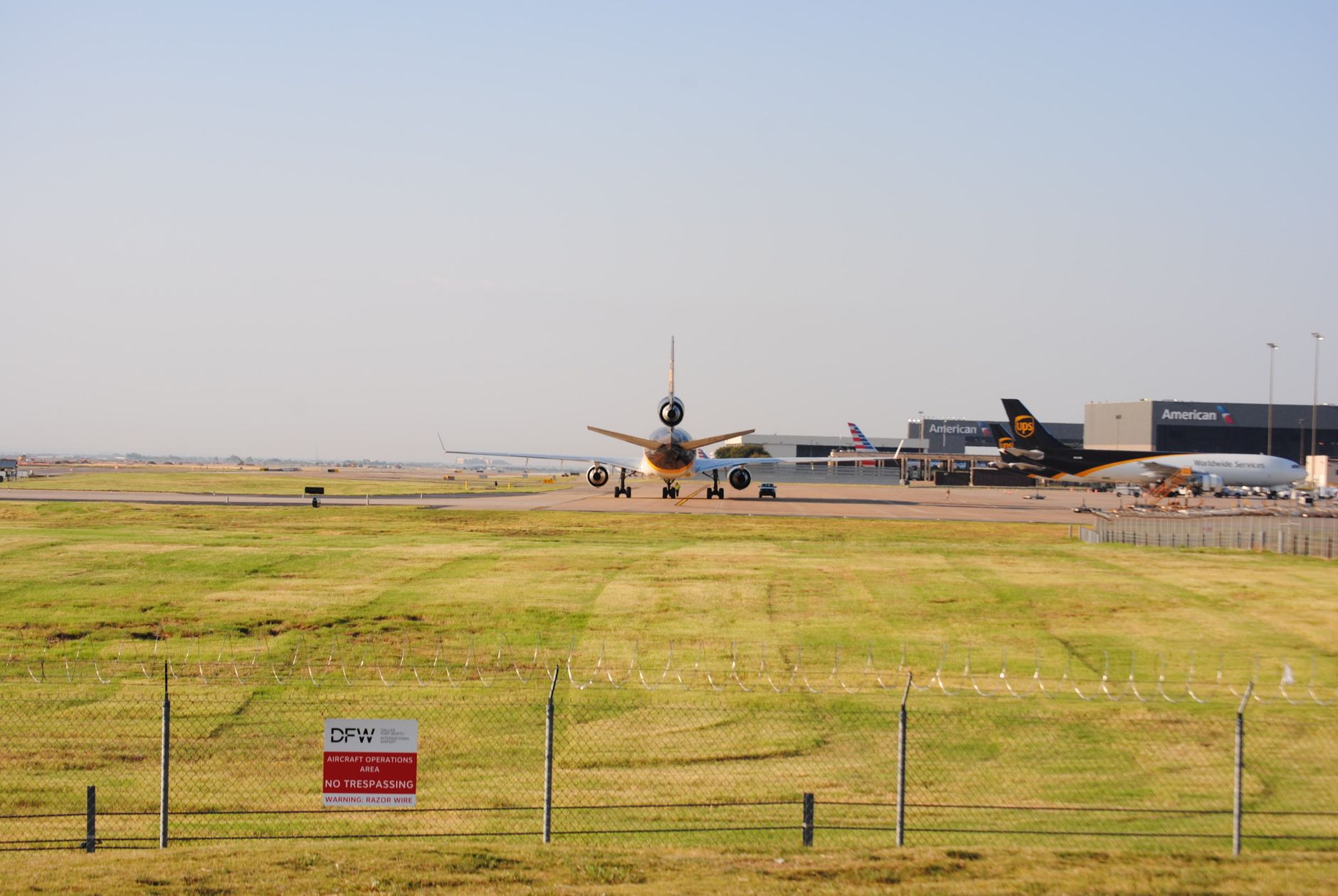
DFW International Airport handles over 90 million passengers annually and ranks among the world’s top cargo airports. The region’s central U.S. location makes it a logistics hub for companies like Amazon, FedEx, and UPS, which operate massive fulfillment centers across Arlington, Fort Worth, and Dallas.
What Role Does Aerospace Play in DFW?
The aerospace and defense sector, anchored by Lockheed Martin, Bell Textron, and Raytheon, employs over 150,000 people in the region. Arlington’s proximity to these employers — particularly along the I-20 corridor — makes it a key node in the national defense supply chain.
Why Is Tech Growth Accelerating in DFW?
Tech companies relocated to DFW in record numbers during 2024–2026, drawn by lower operating costs and talent availability. The Dallas-Fort Worth Tech Corridor now hosts over 200,000 tech workers, with Arlington benefiting from UTA’s engineering pipeline.
How Does Arlington Fit Into the DFW Economy?
Arlington contributes $18 billion annually to the DFW economy through its industrial corridor, GM facility, and UTA research partnerships.
Arlington, Texas, sits at the economic center of the DFW metroplex, contributing $18 billion in annual economic activity through its industrial corridor, General Motors facility, and University of Texas at Arlington research partnerships. The city’s strategic position along the I-20/I-30 split makes it a critical distribution point.
What Is the Arlington Industrial Corridor?
The industrial corridor along I-20 and Highway 360 hosts Amazon, FedEx, and other logistics giants. This area generates over $8 billion in annual economic output and supports 120,000 jobs directly and indirectly.
How Does UTA Impact the Local Economy?
UTA’s 42,000 students and research programs contribute over $3 billion annually to the regional economy. The university’s engineering and business schools feed directly into DFW’s aerospace, logistics, and tech sectors.
What Role Does GM Play in Arlington?
General Motors’ Arlington Assembly plant employs over 4,000 workers and produces the Cadillac Escalade and Chevrolet Tahoe. The facility generates over $1.2 billion in annual economic activity for the region.
What Are the Economic Challenges Facing DFW in 2026?
DFW faces housing affordability pressures, traffic congestion, and labor shortages despite strong job growth and GDP expansion.
Despite its economic strength, the DFW metroplex faces several structural challenges in 2026. Housing affordability, traffic congestion, and labor shortages are the primary concerns affecting long-term growth and quality of life.
How Is Housing Affordability Affecting DFW?
The median home price in DFW reached $485,000 in early 2026, up 8% from 2025. Rents average $1,850 for a two-bedroom apartment, pricing out essential workers in Arlington and surrounding areas.
What Traffic Problems Persist in DFW?
DFW ranks 4th-worst for traffic congestion among major U.S. metros, with average commute times of 32 minutes. The I-20/I-30 split in Arlington remains a critical bottleneck during peak hours.
Are Labor Shortages Still an Issue?
Despite adding 120,000 jobs in 2025, DFW’s labor force participation rate of 66.8% leaves 280,000 positions unfilled. Skilled trades, healthcare, and logistics roles face the largest gaps.
Frequently Asked Questions About the DFW Economy
What Is the DFW GDP in 2026?
The DFW metroplex GDP exceeds $400 billion in 2026, ranking it as the 10th-largest metropolitan economy in the United States.
How Many Jobs Were Added in DFW Recently?
DFW added 120,000 jobs in 2025 and is projected to add another 110,000 in 2026, driven by logistics, healthcare, and tech sectors.
What Cities Anchor the DFW Economy?
The core economic cities in DFW are Dallas, Fort Worth, and Arlington, with Plano, Frisco, and McKinney serving as secondary hubs in the northern corridor.
Daniel Reyes covers Arlington business, community, and economic development for ArlingtonBusinessCouncil.org. Born and raised in North Texas.
Explore our HVAC cost calculator for local pricing insights, or check our roofing cost guide for home improvement budgeting. For broader economic trends, visit our local business directory.