Arlington TX Public Transit Guide 2026: Trinity Metro Bus Routes & Getting Around Without a Car
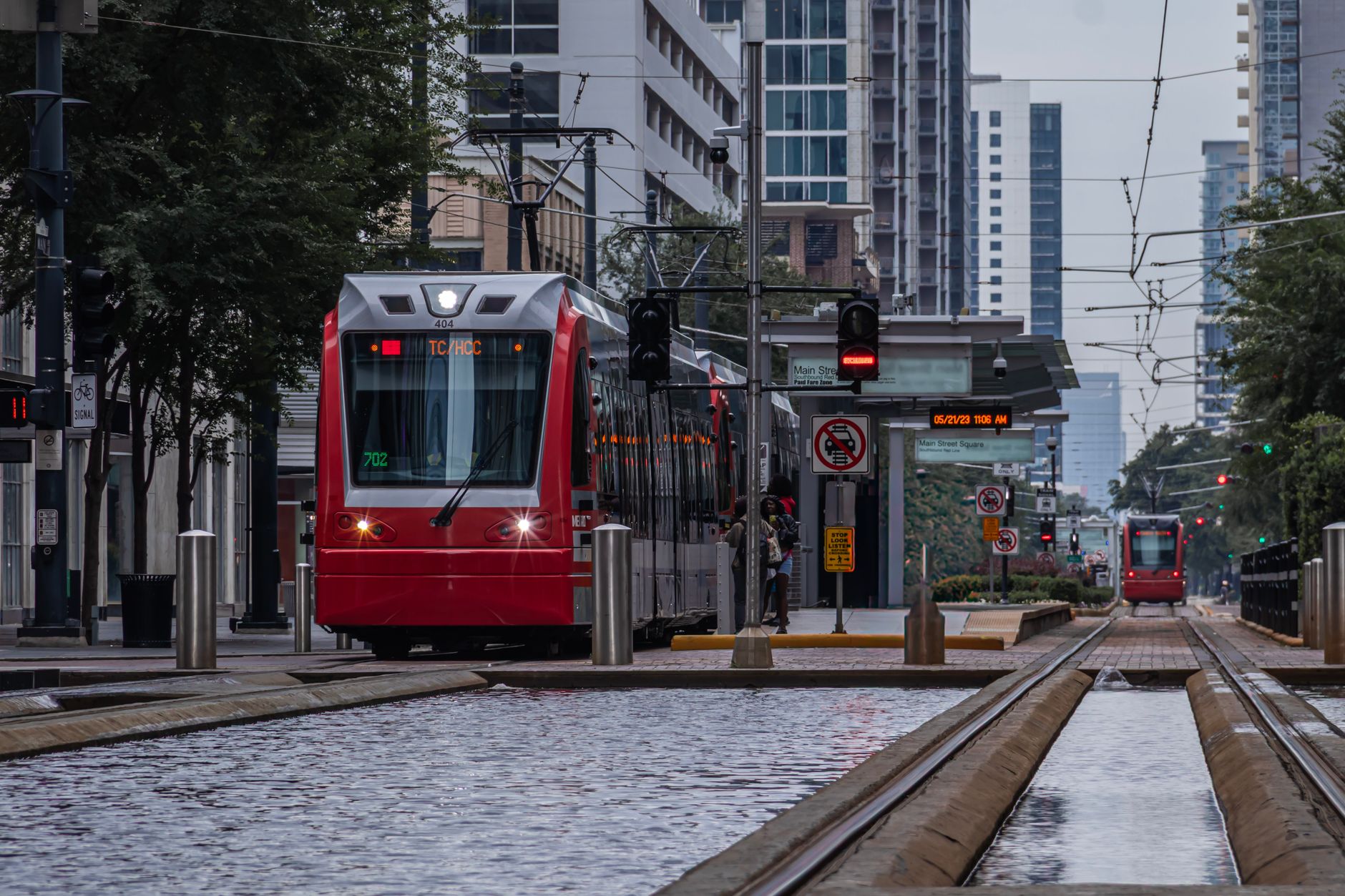
Arlington TX public transit operates under Trinity Metro, which serves Tarrant County including Arlington, Fort Worth, and surrounding areas. Unlike larger Texas cities, Arlington lacks light rail or streetcar service due to its low-density suburban layout and historical emphasis on car-centric development. As of 2026, Trinity Metro runs six bus routes covering major corridors like I-30, Cooper Street, and Collins Road, with 30-minute weekday frequency on most lines. While car ownership remains nearly essential for daily commuting, visitors and residents without vehicles can navigate Arlington through a mix of shuttle services, ride-sharing, and strategic regional transit connections. For major events like Dallas Cowboys games or concerts at AT&T Stadium, special event shuttles provide additional limited-time options from select Park & Ride lots.
⚡ In a Rush? Key Takeaways
- Trinity Metro operates only 6 bus routes in Arlington with 30-minute weekday frequency
- No light rail or streetcar service exists in Arlington as of 2026
- Average bus commute takes 25% longer than driving in Arlington TX traffic
- AT&T Stadium shuttles run only on event days from select Park & Ride lots
- ✅ Best value: Use rideshare or rent a car — public transit covers less than 15% of Arlington geography
What Bus Routes Does Trinity Metro Serve in Arlington TX?
Trinity Metro operates 6 bus routes in Arlington TX covering I-30, Cooper Street, and Collins Road with 30-minute weekday frequency.
Trinity Metro, which manages public transportation across Tarrant County including Arlington, currently operates six bus routes that serve portions of the city. These routes primarily focus on key arterial roads such as I-30, Cooper Street, and Collins Road, connecting passengers to nearby Fort Worth and other regional destinations. The six active routes serving Arlington are Route 48 (I-30/Cooper St), Route 10 (Eastside/Division St), Route 16 (Collins Rd/UTA), Route 23 (South Cooper), Route 33 (North Cooper/Davis), and Route 79 (Randol Mill). All routes converge at the Arlington Transit Center near the UTA campus, which serves as the primary transfer hub for passengers switching between lines or accessing express services to downtown Fort Worth and DFW Airport.
How Often Do Arlington TX Buses Run on Weekdays?
During weekdays, most Trinity Metro routes in Arlington operate every 30 minutes during peak hours and every 60 minutes during off-peak times.
During weekdays, most Trinity Metro routes in Arlington operate every 30 minutes during peak hours (6:30 AM to 9:00 AM and 3:30 PM to 6:30 PM) and every 60 minutes during off-peak times. Weekend service is reduced, typically running every 60 minutes from early morning until late evening. For example, Route 48 departs every 30 minutes from 5:15 AM to 7:45 PM on weekdays, while Route 10 maintains 30-minute headways from 6:00 AM to 8:00 PM. Sunday service on most routes begins at 7:00 AM and ends at 6:00 PM with hourly frequency. Real-time tracking is available through the Trinity Metro mobile app, which shows scheduled and actual arrival times for all vehicles. Passengers are advised to arrive at stops at least five minutes before departure, especially during inclement weather when shelter coverage is limited at many stops.
Which Routes Connect Arlington to Fort Worth and DFW Airport?
\p>
Route 48 connects central Arlington to downtown Fort Worth via I-30, while Route 10 runs along the eastern edge of Arlington toward the DFW Airport area.
Route 48 connects central Arlington to downtown Fort Worth via I-30, while Route 10 runs along the eastern edge of Arlington toward the DFW Airport area. Route 48 travels westbound along the I-30 corridor, stopping at key locations including the Arlington Transit Center, Six Flags Over Texas, Globe Life Field, and terminating at the Fort Worth Intermodal Transportation Center (ITC). From the ITC, passengers can transfer to the Trinity Railway Express (TRE) for direct service to Dallas or DFW Airport terminals. Route 10 operates along Division Street and Cooper Street in eastern Arlington, connecting to the DFW Airport Transit Center via the DFW Airport Express service. Passengers using Route 10 can access Terminal Link shuttles to all DFW terminals. Both routes require transfers at designated Park & Ride locations for access to additional regional services. Fare integration across Trinity Metro, Tarrant County, and DFW Airport services is available through the Q Pass system, allowing seamless transfers with discounted combined tickets.
Why Doesnât Arlington TX Have Light Rail or Streetcar Service?
Arlington TX has no light rail or streetcar service because the city historically prioritized car-centric development over mass transit infrastructure.
Arlingtonâs urban planning philosophy since its founding has emphasized automobile accessibility rather than public transit investment. The cityâs low population density â approximately 4,000 people per square mile â makes large-scale transit projects economically challenging, and previous voter initiatives for rail service have been narrowly defeated. In 2008, a $1.2 billion referendum proposing a hybrid streetcar and light rail system was rejected by 52% of Arlington voters, with opposition citing concerns over property tax increases and skepticism about ridership projections. The cityâs geographic position between Dallas and Fort Worth has also meant that regional transit planning has historically favored connecting those two major hubs rather than serving Arlington as a standalone destination. Additionally, the presence of major employers like General Motors, Lockheed Martin, and the University of Texas at Arlington has created decentralised employment clusters that donât align with traditional linear transit corridors.
What Are the Barriers to Expanding Transit in Arlington?
Key obstacles include geographic sprawl, insufficient tax base dedicated specifically to transit expansion, and competing municipal priorities like road maintenance and public safety funding.
Key obstacles include geographic sprawl, insufficient tax base dedicated specifically to transit expansion, and competing municipal priorities like road maintenance and public safety funding. Additionally, coordination challenges between Arlington, Tarrant County, and the Fort Worth Transportation Authority complicate regional alignment efforts. The city spans 250 square miles, making it one of the largest cities in Texas by area but with a population density among the lowest for cities over 300,000 residents. This low density drives up per-capita infrastructure costs for any transit system, as routes must stretch across vast distances to serve sparse populations effectively. Property tax revenue in Arlington is already committed to core municipal services, leaving little room for new transit-specific levies without voter approval. The cityâs economic development strategy has also prioritised attracting automotive-related businesses, which creates political resistance to transit investments that might compete with car-dependent commerce. Environmental concerns around the Trinity River corridor further limit feasible alignment options for east-west transit connections through the city center.
Are There Any Future Transit Plans for Arlington TX?
The City of Arlington has expressed interest in evaluating Bus Rapid Transit (BRT) options along the I-30 and Cooper Street corridors, though no concrete timelines or funding secured as of 2026.
The City of Arlington has expressed interest in evaluating Bus Rapid Transit (BRT) options along the I-30 and Cooper Street corridors, though no concrete timelines or funding have been secured as of 2026. The proposed BRT system would feature dedicated lanes, level boarding platforms, and enhanced stations with real-time information displays, potentially reducing travel times by 15-20% compared to standard bus service. A feasibility study commissioned in 2025 estimated that implementing BRT along I-30 alone would cost approximately $280 million, with the Cooper Street corridor adding another $195 million. Funding would likely require a combination of federal grants, regional mobility funds, and local bond measures, which would need voter approval in a future election. The 2026 update to Arlingtonâs Comprehensive Plan included language supporting transit-oriented development around UTA and major employment centers, suggesting that if BRT moves forward, it could catalyse denser, mixed-use development along the corridors. Coordination with TEXRail’s planned extension to Arlington (currently in the environmental review phase) remains a key consideration for future multimodal connectivity.
How Do Arlington Residents Cope Without Robust Public Transit?
Most residents rely heavily on personal vehicles, with car ownership rates significantly higher than the national average.
Most residents rely heavily on personal vehicles, with car ownership rates significantly higher than the national average. Ride-sharing services like Uber and Lyft have grown in popularity, especially among younger demographics and those commuting to UTA or neighboring cities. The average Arlington household owns 2.1 vehicles, compared to 1.8 nationally, reflecting the cityâs car-dependent design. Many residents work in nearby Fort Worth, Dallas, or DFW Airport, creating long-distance commuting patterns that make public transit impractical even if service were expanded. Car-sharing services like Zipcar operate several locations near UTA campus and downtown Arlington, providing hourly vehicle rentals for occasional users. Bicycle infrastructure has expanded modestly with the addition of bike lanes along Abram Street and the introduction of the Lance Armstrong Bikeway connecting downtown to UTA. However, safety concerns and the lack of continuous protected bike facilities mean that cycling remains impractical for most errands and commutes. Employer-sponsored van pools serve some large employers like GM and Lockheed Martin, offering grouped commuter services to employees living in distant suburbs. The cityâs ride-share usage rate ranks in the top quartile nationally for mid-sized cities, with peak demand during Cowboys games, concerts, and rush-hour periods on I-30 corridor.
How Can Visitors Use Public Transit to Reach Major Attractions in Arlington?
Visitors can take Trinity Metro Route 48 to access AT&T Stadium and Six Flags, though rideshare remains faster and more convenient for short distances.
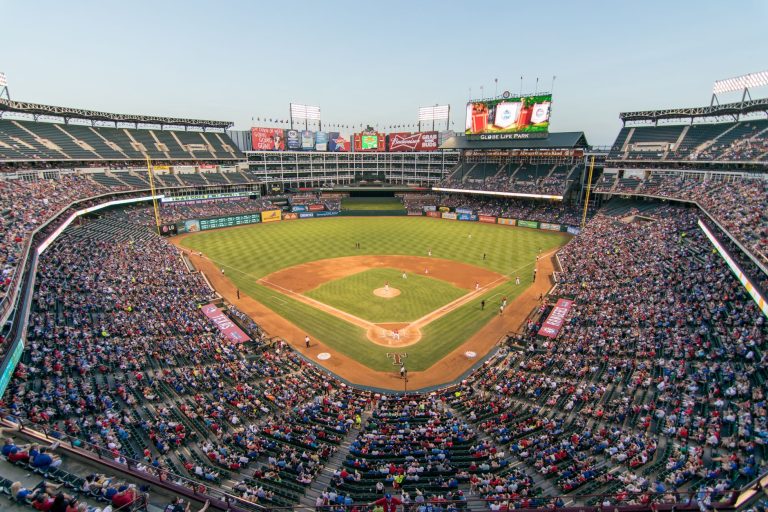
For tourists visiting attractions like AT&T Stadium, Six Flags Over Texas, and Globe Life Field, public transit options exist but arenât optimal. Rideshare services dominate the local transportation landscape, particularly during event days when stadiums draw large crowds. Route 48 serves AT&T Stadium directly, with stops at the Stadium Transit Center located just south of the venue. During Cowboys home games and major concerts, temporary express services run from downtown Fort Worth via the I-30 corridor, reducing travel time from 45 minutes to 25 minutes. For Six Flags Over Texas and Hurricane Harbor, Route 48 makes stops within a half-mile walking distance, though the park entrances are at least a 10-minute walk from the nearest bus stops. Globe Life Field, home of the Texas Rangers, is also accessible via Route 48, with the stadium located immediately adjacent to the ballpark. However, visitors should note that late-night service ends early; most routes cease operation by 8 PM on weekends and 9 PM on weekdays, meaning attendees leaving evening events may need alternative transportation. The city operates a visitor information kiosk at the Arlington Convention Center where guests can obtain free transit maps and discounted ride-share codes during major events.
Can I Take Public Transit to See a Dallas Cowboys Game or Concert at AT&T Stadium?
Yes, Trinity Metro occasionally offers special event shuttles connecting select Park & Ride lots to AT&TC Stadium during high-profile games and concerts.
Yes, Trinity Metro occasionally offers special event shuttles connecting select Park & Ride lots to AT&T Stadium during high-profile games and concerts. These shuttles operate only on scheduled event days and require advance ticket purchase. Special event shuttles typically run from three main Park & Ride locations: the Fort Worth Intermodal Station, the DFW Airport Terminal Link area, and the UTA campus transit center. Shuttle service begins two hours before kickoff and continues for 90 minutes after events conclude. Round-trip tickets cost $6 for adults and $3 for seniors and students, which is significantly less than parking fees at private lots near the stadium ranging from $25 to $50. In 2025, Trinity Metro expanded the shuttle program to include express routes from downtown Dallas during major playoff games and special concerts, though these require separate premium fares. Visitors can purchase shuttle tickets online through the Trinity Metro website or at kiosks located at participating Park & Ride lots. During the FIFA World Cup 2026, which will host multiple matches at AT&T Stadium, organizers have announced additional shuttle services connecting to fan zones in downtown Fort Worth and Dallas. These shuttles will operate on a first-come, first-served basis with capacity limits enforced. Itâs important to note that regular bus service is NOT available to AT&T Stadium on event days due to road closures and traffic restrictions. Visitors planning to use public transit for events should verify shuttle availability and departing times in advance, as schedules can change based on event type and expected attendance.
Is Public Transit Safe and Reliable for Getting Around Arlington After Dark?
While generally safe, late-night service on Trinity Metro routes becomes sparse after 8 PM, with intervals extending beyond one hour.
While generally safe, late-night service on Trinity Metro routes becomes sparse after 8 PM, with intervals extending beyond one hour. For evening entertainment in the Entertainment District, many visitors opt for rideshare services instead of waiting for infrequent buses. The last buses on most Arlington routes depart between 8:30 PM and 9:30 PM, with no service between midnight and 5:00 AM on weekdays and slightly extended hours until 11:00 PM on weekends. Passengers using evening service report feeling secure due to well-lit buses and stop areas, though some express frustration with longer wait times during off-peak hours. The Arlington Police Department partners with Trinity Metro to provide safety escorts upon request, particularly for passengers who feel uncomfortable waiting alone at bus stops after dark. During major events at AT&T Stadium, additional security personnel are deployed to high-traffic bus stops and transit centers through midnight. However, the lack of late-night service means that residents and visitors attending evening events must rely heavily on rideshare services, which can become expensive during peak demand periods. For instance, rideshare fares from downtown Arlington to AT&T Stadium can range from $15 to $40 during event hours, while public transit costs only $1.25 per trip if service were available. The city has considered extending evening hours on Route 48 during major events but has not yet secured funding for such expansions. Visitors exploring Arlingtonâs nightlife in areas like Texas Live! or the Cultural District should plan ahead and budget for alternative transportation options, as relying solely on public transit after dark can lead to long waits or costly last-minute ride bookings.
Where Are the Best Park & Ride Locations for Accessing Arlington?
Major Park & Ride facilities along I-30 and near the University of Texas at Arlington campus serve as key transfer points.
Major Park & Ride facilities along I-30 and near the University of Texas at Arlington campus serve as key transfer points. These lots offer secure parking and allow commuters to board express routes into Fort Worth or connect with regional shuttles. The largest facility is the Arlington Transit Center, located at the intersection of Rhea Royale Drive and campus just east of UTA, featuring 200 parking spaces, covered waiting areas, and real-time departure boards. Along I-30, there are three Park & Ride locations: one at the intersection of Cooper Street with 150 spaces, another at Matlock Road with 100 spaces, and a third at Davis Boulevard providing 1