Arlington TX Business Guide 2026: Starting, Growing, and Thriving Here
Arlington, Texas, a dynamic city in the heart of the DFW Metroplex, offers a robust environment for businesses to start, grow, and thrive. Known for its strong economy, strategic location, and growing population of over 400,000 residents, the city presents unique opportunities for entrepreneurs and established companies alike. This complete guide provides essential insights and resources for navigating the business landscape in Arlington in 2026.
Key Takeaways for Arlington Businesses
- Arlington’s strategic location within the DFW Metroplex provides access to a regional economy exceeding $600 billion.
- Over 15,000 small businesses currently operate in Arlington, contributing to a diverse and resilient local economy.
- The City of Arlington offers economic development incentives that can reduce startup and expansion costs by up to 20%.
- The University of Texas at Arlington provides a pipeline of over 42,000 students, supporting workforce development.
- Success in Arlington hinges on leveraging local resources, understanding community needs, and embracing digital transformation.
What Makes Arlington, TX a Prime Location for Businesses in 2026?
Arlington, TX, offers strategic DFW Metroplex access, a diverse economy, a growing workforce from UTA, and significant economic development support for businesses.
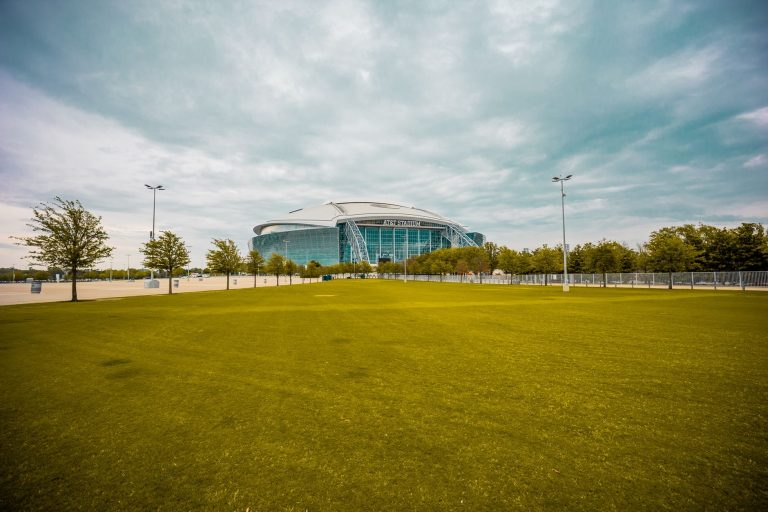
Arlington’s appeal to businesses extends far beyond its famous Entertainment District, home to AT&T Stadium and Six Flags Over Texas. The city boasts a central location within the Dallas-Fort Worth Metroplex, providing unparalleled access to major transportation arteries, a vast consumer market, and a deep talent pool. This strategic positioning has cultivated a business ecosystem ripe for growth and innovation across various sectors.
How Does Arlington’s Location Benefit Local Businesses?
Arlington’s central DFW location provides logistical advantages, connecting businesses to major highways (I-20, I-30) and DFW International Airport within 30 minutes.
Positioned almost equidistant from downtown Dallas and downtown Fort Worth, Arlington offers a logistical sweet spot. Businesses benefit from easy access to two major interstate highways, I-20 and I-30, helping efficient transport of goods and services. Furthermore, proximity to DFW International Airport, one of the world’s busiest airports, provides global connectivity for trade and business travel. This connectivity reduces transportation costs and expands market reach significantly for local enterprises.
- **Central DFW Access:** Less than 30 minutes to both Dallas and Fort Worth business hubs.
- **Major Highway Network:** Easy access to I-20, I-30, and SH 360 for regional distribution.
- **DFW International Airport:** Global shipping and travel within a 25-minute drive.
- **Consumer Market:** Direct access to the DFW Metroplex’s population of over 7 million.
What Economic Advantages Does Arlington Offer Businesses?
Arlington’s tax incentives, diverse industry base, and robust local consumer spending contribute to a stable and growth-oriented economic environment for businesses.
The city’s economy is diversified, with strong sectors in manufacturing, healthcare, education, retail, and entertainment. This reduces reliance on a single industry, fostering economic resilience. Local economic development corporations work proactively to attract and retain businesses through various incentives, including property tax abatements and sales tax rebates. These programs aim to lower operating costs and encourage investment, making Arlington an attractive choice for both startups and established corporations.
Local businesses also benefit from a strong consumer base, driven by both resident spending and significant tourist traffic to attractions like Globe Life Field. More than 14 million visitors come to Arlington annually, injecting revenue into hospitality, retail, and service industries.
How Does UTA Contribute to Arlington’s Business Ecosystem?
The University of Texas at Arlington (UTA) supplies an educated workforce of over 42,000 students and offers research partnerships, fostering local innovation and talent retention.
The presence of the University of Texas at Arlington (UTA) is a cornerstone of the city’s intellectual capital and workforce development. With over 42,000 students, UTA graduates a skilled pool of professionals across various disciplines, including engineering, business, and healthcare. This talent pipeline is crucial for businesses looking to hire qualified employees without extensive relocation costs. UTA also offers opportunities for research collaboration and technology transfer, providing local businesses with access to cutting-edge innovation and expertise. This dynamic relationship between academia and industry fuels economic vitality and competitive advantage.
How Can Businesses Successfully Start and Grow in Arlington, TX in 2026?
Successful startups in Arlington TX require strategic planning, understanding local regulations, leveraging city incentives, and actively engaging with the vibrant business community.
For entrepreneurs and businesses looking to establish or expand their presence in Arlington, understanding the local administrative and supportive landscape is vital. From navigating permit processes to accessing financial aid and networking opportunities, the city provides a framework designed to foster growth. Effective utilization of these resources can significantly streamline your journey and enhance your chances of long-term success.
What Are the Key Steps for Registering a Business in Arlington?
To register a business in Arlington, entrepreneurs need to choose a legal structure, register with the Texas Secretary of State and IRS, obtain necessary local permits, and secure an Arlington business license.
Starting a business in Arlington involves several critical steps, beginning with legal registration. First, determine your business structure (LLC, corporation, sole proprietorship). Next, register your business name with the Texas Secretary of State and secure an Employer Identification Number (EIN) from the IRS. Locally, you will need to obtain any necessary permits and licenses from the City of Arlington’s Planning and Development Services Department. This process ensures compliance with local zoning, safety, and operational standards. Our Start a Business in Arlington hub provides detailed guidance on these requirements.
Here’s a simplified checklist for new businesses:
- Define your business structure (e.g., LLC, Corporation, Sole Proprietorship).
- Register your business name with the Texas Secretary of State.
- Obtain an Employer Identification Number (EIN) from the IRS.
- Apply for local zoning approval and building permits, if applicable.
- Secure required operational permits and licenses from the City of Arlington.
- Register with the Texas Comptroller of Public Accounts for state taxes.
Where Can Arlington Businesses Find Financial Support and Incentives?
Arlington businesses can access financial support through various city and state incentives, including tax abatements, grants, and loan programs offered by the Arlington Economic Development Corporation.
Arlington offers a range of financial incentives designed to attract new businesses and encourage existing ones to expand. The Arlington Economic Development Corporation (AEDC) plays a crucial role in administering these programs, which can include property tax abatements, sales tax rebates, and grants for job creation or infrastructure improvements. Additionally, state-level programs and federal small business loans are accessible to Arlington-based companies. Exploring these options can significantly reduce startup costs and provide capital for growth. For example, our Grant Finder tool can provide a starting point for potential funding.
Key financial resources include:
| Resource Type | Provider | Benefit |
|---|---|---|
| Tax Abatements | City of Arlington | Reduced property taxes for qualified projects |
| Sales Tax Rebates | City of Arlington | Rebates on sales tax generated by new developments |
| Small Business Loans | SBA, Local Banks | Capital for startups and expansions at favorable terms |
| Grants for Job Creation | AEDC | Funding tied to creating a specified number of new jobs |
How Can Local Networking and Community Engagement Boost Business?
Engaging with local business associations like the Arlington Chamber of Commerce and participating in community events fosters valuable connections, partnerships, and market insights.
Networking is invaluable for businesses in Arlington. Organizations such as the Arlington Chamber of Commerce provide platforms for business owners to connect, share insights, and collaborate. Attending local trade shows, community events, and workshops can open doors to new partnerships, client acquisition, and a deeper understanding of market needs. Active participation in the community not only builds brand visibility but also establishes your business as a dedicated member of Arlington’s economic fabric. Strong local ties can be a significant competitive advantage.
What Key Trends and Opportunities Should Arlington Businesses Monitor in 2026?
Arlington businesses should monitor digital transformation, sustainable practices, and the World Cup 2026 economic impact to leverage new opportunities and maintain competitive edge.
The business landscape is constantly evolving, and Arlington is no exception. Staying abreast of key trends and emerging opportunities can help businesses innovate, adapt, and secure a sustainable future. In 2026, several factors are poised to significantly influence the local economy, ranging from global events to technological advancements and shifting consumer preferences.
How Will the FIFA World Cup 2026 Impact Arlington Businesses?
The FIFA World Cup 2026 at AT&T Stadium is projected to generate billions in economic activity for Arlington, boosting hospitality, retail, and tourism sectors significantly.
The hosting of the FIFA World Cup 2026 at AT&T Stadium in Arlington is set to be a monumental economic driver. This global event will bring hundreds of thousands of international visitors to the city, creating unprecedented demand for lodging, dining, transportation, and entertainment. Businesses in the hospitality, retail, and service sectors should anticipate a massive surge in activity. Preparing for this influx includes considering staffing increases, multilingual services, and tailored product offerings. The World Cup provides a unique opportunity for businesses to showcase Arlington to a global audience and capture substantial revenue. We have a dedicated World Cup 2026 hub with more information on how to prepare.
What Role Does Digital Transformation Play in Arlington’s Business Future?
Digital transformation in Arlington means businesses must adopt e-commerce, cloud solutions, and data analytics to enhance efficiency, reach broader markets, and meet evolving customer expectations.
Digital transformation continues to be a crucial trend across all industries. For Arlington businesses, this means embracing e-commerce platforms, leveraging cloud computing for operational efficiency, and using data analytics to understand customer behavior. Small and medium-sized enterprises (SMEs) can gain a competitive edge by implementing online booking systems, digital marketing strategies, and robust cybersecurity measures. The shift towards digital is not just about technology; it’s about reimagining business processes to be more agile, customer-centric, and data-driven. Arlington has seen a 15% increase in online business registrations year-over-year.
Why Are Sustainable Practices Important for Arlington Businesses?
Adopting sustainable practices in Arlington businesses- from energy efficiency to waste reduction- can attract environmentally conscious consumers, reduce operational costs, and align with city green initiatives.
Growing consumer awareness about environmental issues means that sustainability is no longer just a trend but a business imperative. Arlington businesses adopting green practices, such as energy-efficient operations, waste reduction programs, and locally sourced materials, can appeal to an increasing segment of environmentally conscious consumers. These practices can also lead to significant operational cost savings over time and align with the City of Arlington’s initiatives for a greener urban environment. Showcasing your commitment to sustainability can enhance your brand image and attract socially responsible talent.
Frequently Asked Questions About Doing Business in Arlington, TX
-
What is the average cost to start a business in Arlington, TX?
The average cost to start a small business in Arlington TX ranges broadly from $5,000 to $50,000, depending on industry, rental costs, inventory, and initial marketing efforts.
-
Are there specific permits needed for a home-based business in Arlington?
Yes, home-based businesses in Arlington usually require a Home Occupation Permit in addition to standard business licenses, ensuring compliance with local zoning ordinances and neighborhood rules.
-
How accessible is commercial real estate in Arlington for new businesses?
Commercial real estate in Arlington is generally accessible with diverse options from retail to industrial, though prices vary significantly by location and property type, ranging $15-$35 per sq ft annually.
-
What labor force is available to businesses in Arlington?
Arlington boasts a diverse and growing labor force of over 200,000 residents, supplemented by a steady stream of graduates from UTA, providing skilled workers across many sectors.
-
Are there specific environmental regulations for businesses in Arlington?
Arlington businesses must adhere to city, state, and federal environmental regulations, covering areas like waste disposal, storm water management, air quality, and hazardous materials handling.
The startup cost varies significantly by industry. A home-based consultancy might require minimal capital (under $5,000), mainly for registration fees and initial marketing. A retail store or restaurant, however, could incur costs upwards of $50,000 for leasehold improvements, inventory, permits, and staffing. It’s crucial to create a detailed business plan that projects all initial expenses to get an accurate estimate for your specific venture. Consulting with a local business advisor can also help refine these projections and identify potential cost-saving opportunities.
Even if your business operates from home, the City of Arlington requires certain permits to ensure compliance with zoning regulations and to prevent negative impacts on residential neighborhoods. A Home Occupation Permit is typically mandatory, alongside any general business licenses or professional certifications relevant to your industry. It’s best to check with the City’s Planning and Development Services department or use our Business License Wizard to identify all specific requirements before commencing operations.
Arlington offers a broad range of commercial real estate options, from prime retail spaces in high-traffic areas like Collins Street to industrial warehouses near the I-20/I-30 corridors and professional office spaces in Lincoln Square. While availability and pricing fluctuate, there are typically options to suit various business needs and budgets. Lease rates can range from $15 to $35 per square foot annually, depending on the area, property condition, and amenities. Working with a local commercial real estate broker can help new businesses find the best fit for their operational and financial requirements.
The city benefits from a strong local talent pool, augmented by a significant influx of graduates from the University of Texas at Arlington. This provides businesses with access to a highly educated and skilled workforce. Additionally, Arlington’s position within the DFW Metroplex means businesses can draw from a regional labor force of over 3.5 million people, offering a wide array of expertise and experience. Our Job board is a great resource for connecting with local talent.
Compliance with environmental regulations is crucial for all businesses operating in Arlington. These regulations encompass various aspects, including proper disposal of waste, management of storm water runoff, air quality control, and handling of hazardous materials. The City of Arlington’s Environmental Services Department provides guidance and resources to help businesses understand and meet these requirements. Failure to comply can result in significant fines and legal penalties, making it imperative for businesses to be proactive in their environmental management practices.
Conclusion: Navigating Your Business Path in Arlington, TX
Arlington, TX, presents a compelling landscape for businesses in 2026, characterized by strategic advantages, a robust economic environment, and a supportive community. From its prime DFW Metroplex location and access to a growing talent pool from UTA, to proactive economic development initiatives and the massive opportunity presented by the FIFA World Cup, the city offers a fertile ground for enterprise.
Successfully navigating this environment requires a blended approach: diligent adherence to local regulations, strategic utilization of available incentives, and active engagement with the vibrant business community. By staying informed about key trends and leveraging the city’s unique strengths, businesses in Arlington are well-positioned for sustained growth and prosperity far beyond 2026.