Arlington TX Business Guide: How to Succeed in 2026
Navigating the local business landscape in our city requires a clear understanding of the unique economic currents driving the North Texas region. Whether you are a first-time founder near the UTA campus or an established entrepreneur expanding near the Entertainment District, access to accurate data is your greatest asset. Our local market is dynamic, shifting with every major event at the stadiums and the ongoing growth of our residential sectors, making it essential for business owners to stay informed and agile.
- Arlington’s population of 400,000 provides a massive local consumer base for new ventures.
- The city offers 5 primary business support categories for startups and growing firms.
- Effective local licensing and permit compliance can reduce initial launch delays by up to 30%.
- Recommendation: Leverage the Arlington Business License Wizard to streamline your regulatory requirements this year.
What Are the Essential First Steps for Starting a Business in Arlington TX?
Establishing a business in Arlington requires filing a certificate of formation, securing an EIN, and obtaining local zoning permits.
Launching a venture in Arlington, Texas, is a rewarding challenge that benefits from our city’s central position between Dallas and Fort Worth. You must ensure your corporate structure is properly registered with the Texas Secretary of State before engaging in local commercial activity. Failing to secure the correct legal foundation can lead to costly delays as your business grows, potentially hindering your ability to secure loans or lease commercial space.
Beyond the paperwork, you should conduct a localized feasibility study. Look at the specific traffic patterns near your intended storefront and identify your primary competitors within a five-mile radius. Understanding the demographic makeup of your immediate neighborhood will allow you to tailor your offerings effectively, ensuring that your business provides genuine value to the Arlington community from day one.
Why Is Choosing the Right Legal Structure Critical for Your Success?
Choosing between an LLC, corporation, or sole proprietorship directly impacts your tax liability, personal asset protection, and operational flexibility.
Most local founders opt for an LLC to balance liability protection with simplified tax filings. A well-structured entity protects your personal assets from business-related claims, which is vital when operating in high-traffic areas like Lincoln Square or the bustling I-20 corridor. By separating your personal finances from your company’s balance sheet, you provide a layer of security that is essential for long-term survival in the volatile retail and service sectors.
Furthermore, your choice of structure dictates how you can accept investment. If you intend to scale rapidly by taking on venture capital or angel funding, a C-Corporation structure is often preferred by investors due to its clear equity rules. Conversely, if you prefer to maintain total control and simplify your yearly reporting, the LLC or sole proprietorship model remains the gold standard for independent local operators.
- Limited Liability Company (LLC): Best for small-to-mid-sized ventures needing protection.
- Sole Proprietorship: Easiest to form but offers no separation of personal and business liabilities.
- Corporation: Ideal for businesses planning to seek significant outside investment or equity.
- Partnership: Useful for two or more individuals sharing risk and management responsibilities.
How Do You Navigate Local Zoning and Building Permits Properly?
Arlington zoning laws depend on your specific neighborhood and industry, requiring a review of the City’s Unified Development Code.
Before signing a lease on Collins Street or near Randol Mill Road, verify that your proposed business activity is permitted under current zoning. Many commercial spaces in Arlington have specific use restrictions that you must clear before committing capital to a build-out. We recommend using our start-a-business hub to find updated checklists for your sector, ensuring your site plan aligns with city expectations.
Additionally, if your business requires structural changes or signage installation, you must engage with the city’s building inspection department early. Delays in permit approval are common for those who attempt to bypass the formal application process. By working with a professional architect or a contractor familiar with Arlington’s local building codes, you can significantly shorten the lead time for your grand opening.
What Are the Most Efficient Ways to Finance Your Arlington Startup?
Finance your startup through a mix of personal savings, local bank loans, regional development grants, and community-based crowdfunding.
Securing capital in North Texas is highly competitive, but Arlington businesses often benefit from strong relationships with regional financial institutions. When preparing your loan application, it is crucial to present a business plan that highlights your understanding of the local market. Showing that you know exactly who your customers are in Arlington—and how you intend to reach them—will significantly improve your chances of approval.
Do not overlook local and state-level incentives. Many programs are designed to attract businesses to specific redevelopment districts in Arlington. By researching these tax abatements or small business grants, you can preserve your liquid capital for critical operating expenses like inventory and staffing, rather than tying it all up in high-interest debt.
How Can You Maximize Your Growth Within the Arlington Economy?
Maximizing growth in Arlington involves leveraging local networking, digital marketing, and the proximity to 42,000 university students.
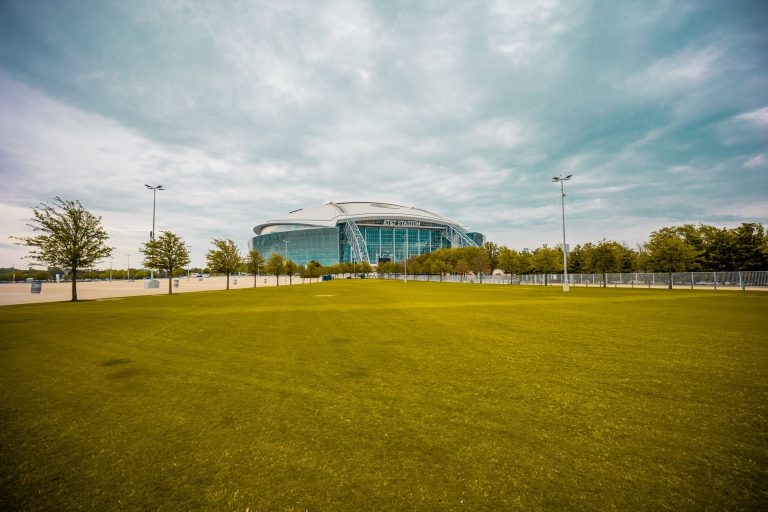
Growth is not accidental; it is the result of aligning your operations with the specific needs of the Arlington community. Our city’s economy is buoyed by the presence of UTA, which creates a constant flow of innovation and professional talent. Smart business owners in 2026 are focusing on hybrid models that serve both the local residential population and the seasonal tourism spikes from AT&T Stadium and Globe Life Field events. Adapting your inventory or service hours during high-traffic game days can lead to substantial, short-term revenue gains that bolster your annual bottom line.
What Role Does the UTA Ecosystem Play in Your Business Expansion?
The University of Texas at Arlington provides a pipeline of skilled graduates and research partnerships to support local business growth.
Businesses that actively engage with university career centers often find a competitive advantage in talent acquisition. Whether you need engineering interns or marketing support, the student body offers a diverse range of skills that can help scale your operations. Consider these benefits when planning your 2026 workforce strategy:
- Access to specialized technical knowledge and research facilities.
- Partnerships for pilot programs or student-led business case studies.
- A steady stream of part-time and full-time professional candidates.
- Opportunities to sponsor student projects that align with your industry.
- Access to innovation hubs and incubator spaces for early-stage ventures.
Where Should You Network to Build Lasting Commercial Relationships?
Effective networking in Arlington centers on the Greater Arlington Chamber of Commerce and targeted industry events held at Texas Live.
Building relationships is the cornerstone of long-term success in our metroplex. Rather than attending every event, prioritize those that put you in contact with local suppliers and mentors who understand the Arlington market. Our local business directory serves as a starting point for identifying potential B2B partners who are already active in your specific vertical. Consistent attendance at recurring meetings builds the trust necessary for referrals and collaborative marketing efforts.
| Networking Channel | Primary Benefit | Frequency |
|---|---|---|
| Chamber Events | High-level industry connections | Monthly |
| University Hubs | Research and talent sourcing | Semester-based |
| Neighborhood Meetups | Direct community engagement | Weekly/Bi-weekly |
| Industry Conferences | B2B partnership building | Annually |
What Are the Most Common Regulatory Challenges for Arlington Businesses?
Regulatory hurdles often include tax compliance, signage ordinances, and state-level industry-specific health or safety regulations.
Staying compliant in 2026 requires diligence, as zoning and signage ordinances can evolve to meet the city’s changing landscape. Many small businesses overlook the importance of local tax reporting, which can lead to unnecessary penalties if ignored. Taking a proactive stance toward documentation ensures your firm remains on solid ground year-round. Ensure that you have a dedicated system for tracking permits, renewal dates, and compliance certificates to avoid sudden operational disruptions.
How Do You Ensure Your Business Stays Compliant with Tax Obligations?
Compliance involves managing state franchise taxes, local sales tax reporting, and federal income tax filings annually.
In Texas, businesses must be mindful of the state franchise tax, which applies to most legal entities. Arlington-based firms must also ensure they are correctly collecting and remitting sales tax on all taxable goods and services. Outsourcing this to a local accountant familiar with DFW area tax laws is generally the safest route for growing businesses. A seasoned professional can also help you identify tax credits that may apply specifically to your location or industry.
Keep organized records of every transaction. In the event of a state audit, having a clean, digital trail of your financial operations will save you hours of work and potential fines. We suggest using integrated accounting software that automates the collection of sales data, ensuring that your filings match the exact requirements of the Texas Comptroller’s office.
What Should You Know About Arlington Signage and Visibility Laws?
Arlington enforces specific sign ordinances regarding size, placement, and lighting to preserve the aesthetic of our commercial districts.
Before investing in exterior signage, confirm your plans with the city to avoid costly redesigns. Your sign is a major marketing asset, but it must adhere to strict local guidelines that regulate everything from LED illumination to height restrictions. Adherence to these rules is mandatory for all brick-and-mortar storefronts, as unauthorized signage is subject to immediate removal or fines.
Consult the City of Arlington’s specific sign permit office before purchasing hardware. Different zoning districts, such as those within the Entertainment District versus those in quiet retail plazas, have varying rules for how much light an LED sign can emit. By vetting your sign designs against these local ordinances, you ensure a smooth installation process that keeps your business in good standing with the city planning board.
Frequently Asked Questions About Doing Business in Arlington
-
What resources are available for small business grants in Arlington?
The City of Arlington and various regional organizations offer occasional grant programs that you can monitor through official portals.
-
How do I find a commercial property for my business in Arlington?
Identify commercial properties by working with local real estate brokers who specialize in the I-20 and I-30 business corridors.
-
Are there specific licenses required for home-based businesses?
Home-based businesses in Arlington must comply with residential use restrictions and may still require specific occupational permits.
-
How can I register my business name locally?
Register your business name (DBA) with the Tarrant County Clerk to ensure your local operations are properly identified by name.
-
Who should I contact for help with business planning?
Reach out to local professional mentors and your regional chamber of commerce for guidance on structured business planning tools.
Starting a business in Arlington is a journey that rewards preparation and local engagement. By leveraging the tools we have discussed and maintaining compliance with local regulations, you set a firm foundation for success. Continue to refine your operations and stay connected with our community through our ongoing updates and professional resource guides. Your participation in our local economy helps drive the prosperity that makes Arlington a fantastic place to work and live.