Arlington TX Minimum Wage vs Living Wage Comparison 2026: What Workers Need to Know
Arlington, Texas is buzzing with economic change in 2026, as the city’s minimum wage climbs to $14 an hour while housing, food, and transportation costs keep rising. Understanding how the state‑mandated wage stacks up against the true cost of living is essential for anyone working or planning to move here.
Key takeaways: Minimum wage hits $14/hr in 2026; living wage for a single adult is $24.14/hr; housing alone consumes 30% of a minimum‑wage salary; supplemental income often required.
- Minimum wage increases to $14 per hour on July 1 2026.
- MIT’s living wage for a single adult in the DFW‑Arlington metro is $24.14 per hour.
- A full‑time minimum‑wage worker earns about $29,120 annually before taxes.
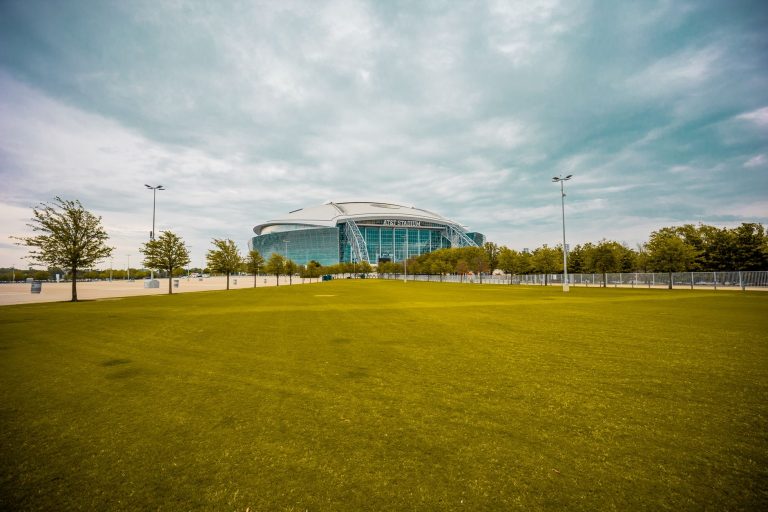
- Average annual housing cost for a one‑bedroom near AT&T Stadium is $13,200.
- Verdict: Minimum wage falls short; workers should budget for additional income or seek higher‑pay roles.
How Does Arlington TX Minimum Wage Compare to the 2026 Living Wage?
Arlington TX’s $14/hr minimum wage translates to $29,120 yearly, while the 2026 living wage for a single adult is $24.14/hr, or $50,215 annually.
The Texas Department of Labor confirmed the statewide hike to $14 per hour effective July 1 2026. This is a significant jump from the federal floor of $7.25, yet it remains well below the MIT‑calculated living wage for the Dallas‑Fort Worth‑Arlington area.
Living‑wage calculators factor in housing, food, transportation, health care, and other essentials. For a single adult with no children, the estimate sits at $24.14 per hour, meaning a full‑time earner would need roughly $50,200 before taxes each year to cover basic expenses.
| Metric | Minimum Wage ($14/hr) | Living Wage ($24.14/hr) |
|---|---|---|
| Hourly Rate | $14.00 | $24.14 |
| Annual Pre‑Tax Income (40 hrs/wk) | $29,120 | $50,215 |
| Housing Cost Share | 45 % | 30 % |
| Food Cost Share | 20 % | 15 % |
| Transportation Share | 15 % | 12 % |
Even after the wage hike, the minimum wage covers only about 58 % of the recommended living wage, highlighting a sizable earnings gap for many Arlington residents.
For workers seeking higher earnings, the HVAC cost calculator reveals skilled trades often pay $25–$35 per hour, comfortably exceeding the living‑wage threshold.
What Are the Core Cost Components Behind the Living Wage?
Housing, food, transportation, health care, and taxes make up the major components of Arlington TX’s living wage estimate.
MIT’s methodology breaks down expenses into five categories. Housing dominates, requiring roughly $13,200 per year for a modest one‑bedroom near the Entertainment District. Food costs average $3,800 annually, while transportation—fuel, insurance, and maintenance—adds about $4,300.
- Housing: $13,200 (30 % of living wage)
- Food: $3,800 (8 % of living wage)
- Transportation: $4,300 (9 % of living wage)
- Health Care: $2,400 (5 % of living wage)
- Miscellaneous (taxes, clothing, etc.): $2,500 (5 % of living wage)
These figures are based on the 2026 cost‑of‑living index, which notes Arlington is roughly 4 % more expensive than the national average but only slightly above the Texas mean.
How Does Housing Affordability Affect Minimum‑Wage Earners?
A minimum‑wage earner in Arlington spends about 45 % of their income on housing, exceeding the recommended 30 % threshold.
Housing costs vary by neighborhood. In the World Cup 2026 hub near AT&T Stadium, a one‑bedroom rents for $1,100 per month, while farther east along Collins Street, rents dip to $900. Even the lower end consumes roughly $10,800 annually, leaving less than $18,000 for all other necessities.
Because minimum‑wage workers often qualify for subsidized housing, many rely on government‑assisted programs. However, waiting lists can be lengthy, and eligibility criteria tighten as wages rise.
What Impact Do Transportation Costs Have on the Wage Gap?
Transportation consumes 15 % of a minimum‑wage salary in Arlington, compared to 12 % for a living‑wage earner.
Arlington’s public transit—Pride buses—offers a monthly pass for $55, but many workers still depend on personal vehicles due to job locations spread across the I‑20 corridor and near the DFW Airport.
Fuel prices in 2026 average $3.45 per gallon, and average commuters drive about 12,000 miles per year, translating to roughly $1,650 in fuel alone. Adding insurance ($1,200) and maintenance ($500) pushes yearly transportation costs to $3,350.
Car‑share programs near the Texas Live! district provide a modest alternative, but they are often more expensive than a personal vehicle for daily commuters.
Why Is the Minimum Wage Still Below the Living Wage in Arlington TX?
Texas law sets minimum wage at the federal level; state legislation has not raised it beyond $14/hr, keeping it below the cost‑of‑living based living wage.
Texas does not have a state‑wide minimum wage higher than the federal floor, leaving local adjustments to city councils or ballot measures. Arlington’s recent $14 increase was the result of a city‑wide initiative, yet it still trails the $24.14 living‑wage benchmark.
Economic factors such as a strong job market in logistics, education, and entertainment (thanks to AT&T Stadium’s World Cup events) mask the underlying wage disparity. Employers often cite competitive pressures and the need to keep operating costs low.
Advocacy groups in the DFW area continue to push for a $20‑hour minimum, arguing that it would close the gap and reduce reliance on public assistance programs.
How Do Local Industries Influence Wage Levels?
Hospitality, retail, and entry‑level logistics dominate Arlington’s job market, typically paying near the minimum wage.
Retail chains and fast‑food outlets in the South Cooper Street area average $12–$14 per hour. Meanwhile, the logistics corridor along I‑20 employs many truck drivers and warehouse staff, whose wages range from $15 to $22 per hour depending on experience and union coverage.
Higher‑paying sectors—health‑care, tech, and professional services—are concentrated near the University of Texas at Arlington campus and the Entertainment District, offering salaries well above the living‑wage threshold.
What Role Do Government Programs Play in Bridging the Gap?
Supplemental Nutrition Assistance, Medicaid, and housing vouchers offset costs for many Arlington minimum‑wage workers.
Texas’s Supplemental Nutrition Assistance Program (SNAP) provides up to $250 per month for eligible households. The state’s Medicaid expansion covers low‑income individuals, reducing health‑care expenses by an average of $2,200 annually.
Housing vouchers through the Arlington Housing Authority can cover up to 70 % of rent for qualifying families, effectively lowering the housing share of income to under 30 %.
While these programs are vital, they also create administrative burdens and are not guaranteed for all workers, especially those on the cusp of eligibility.
What Practical Steps Can Arlington Workers Take to Close the Wage Gap?
Upskilling, gig work, and strategic budgeting help minimum‑wage earners approach a livable income in Arlington.
Residents can leverage local resources such as the Business License Wizard to start side businesses, or enroll in free certification programs at UTA’s Workforce Development Center.
Gig platforms—ride‑share, delivery, and freelance marketplaces—offer supplemental earnings that can push hourly income closer to the $20 mark when combined with a full‑time job.
Effective budgeting, using tools like the Arlington Rent Calculator, helps households prioritize essentials and identify cost‑saving opportunities.
How Can Upskilling Increase Earning Potential?
Technical certifications in HVAC, electrical, and plumbing can raise hourly rates to $25–$35 in Arlington’s growing construction market.
The DFW area’s construction boom, especially around the new World Cup stadium upgrades, has created demand for certified tradespeople. Programs at Texas State Technical College and community colleges offer fast‑track certifications, often covered by employer tuition assistance.
Graduates typically secure positions paying $28–$34 per hour, comfortably exceeding the living‑wage threshold and providing long‑term financial stability.
What Gig Opportunities Are Most Lucrative in Arlington?
Ride‑share driving during World Cup events can earn $20–$30 per hour, while food‑delivery peaks reach $18–$25 per hour.
During high‑traffic events at AT&T Stadium, surge pricing spikes earnings for drivers on platforms like Uber and Lyft. Similarly, food‑delivery services experience demand surges, especially in the Entertainment District.
Workers should track mileage and expenses to ensure net earnings remain high after vehicle costs.
How Can Budgeting Tools Help Manage the Wage Gap?
Using a rent calculator and wage benchmark tool helps residents allocate income efficiently and plan for savings.
The Wage Benchmark Tool lets users compare their earnings to Arlington’s average wages by industry, highlighting gaps and pointing toward higher‑pay roles.
By inputting rent, utilities, and transportation costs, the Rent Calculator shows whether a household’s housing cost aligns with the 30 % affordability rule.
FAQ
What is the exact hourly minimum wage in Arlington TX for 2026?
Arlington TX’s minimum wage is $14.00 per hour, effective July 1 2026.
How is the living wage calculated for Arlington?
MIT’s living‑wage model adds housing, food, transportation, health care, and taxes for a single adult with no children.
Can a minimum‑wage worker afford a one‑bedroom apartment near AT&T Stadium?
At $1,100 per month, a minimum‑wage worker spends about 45 % of income on rent, exceeding the recommended 30 % threshold.
Are there any upcoming wage hikes beyond $14/hr in Texas?
No statewide legislation is scheduled; any further increases would require local ballot initiatives or federal changes.
What resources are available for low‑income residents to improve earnings?
UTA’s Workforce Center, certification programs, gig platforms, and city‑run small‑business assistance tools help boost income.
Conclusion: How Should Arlington Residents Respond to the Wage Gap?
Workers should pursue upskilling, leverage gig income, and use budgeting tools to approach a livable wage in Arlington.
The 2026 minimum wage of $14 per hour still falls well short of the $24.14 living‑wage benchmark. By focusing on education, supplemental income, and careful budgeting, Arlington residents can narrow the gap while the city continues to grow around major attractions like AT&T Stadium and the upcoming FIFA World Cup.
Policymakers, employers, and community leaders must also collaborate on solutions—whether through higher local wage ordinances, expanded affordable housing, or increased access to training—to ensure that the city’s economic growth benefits all its citizens.