
Arlington TX New Residents Guide 2026: Housing, Utilities, and Transit Tips
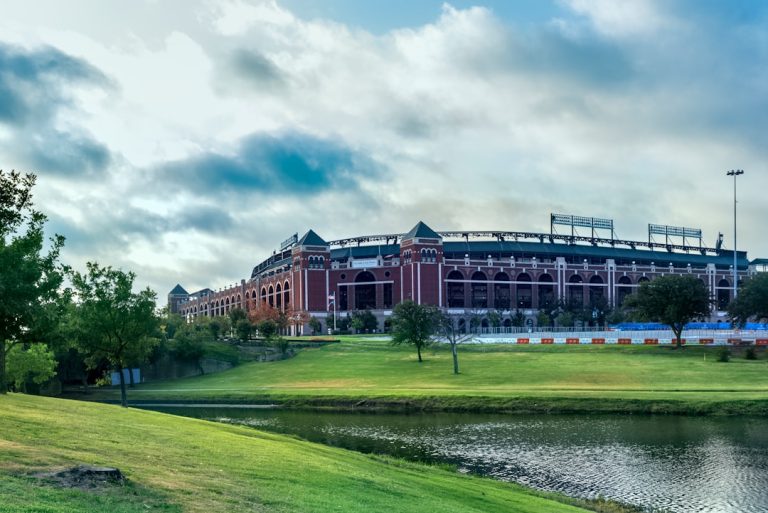
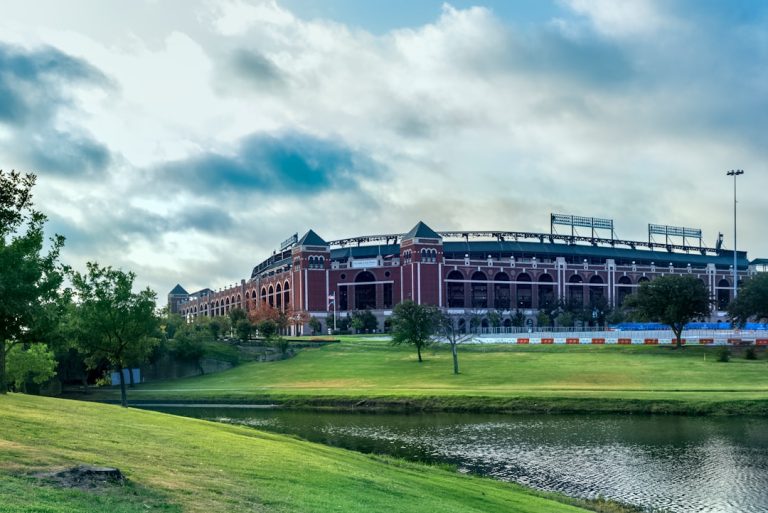
Preparing to move to Arlington, Texas? This updated 2026 guide covers housing costs, utility providers, transit options, and neighborhood picks. Written for first-time residents who want local insight before they sign a lease or buy a home, it cuts through the noise about traffic, taxes, and where to live near AT&T Stadium.
⚡ In a Rush? Key Takeaways
- Median home price in Arlington TX is $340,000 in 2026 — up 6 percent year-over-year but still 18 percent below Dallas.
- Property tax rate is 1.83 percent — the effective rate on a $300,000 home is about $5,500 annually.
- Oncor serves 88 percent of Arlington for electricity; Austin Energy, TXU, and Reliant also compete in deregulated zones.
- CenterPoint Energy handles 96 percent of natural gas; average monthly bill is $68 for a 2,000 sq ft home.
- ✅ Best move timing: secure housing between May and September — rental inventory peaks as UTA students leave for summer.
What Are the Best Neighborhoods for New Residents in Arlington TX?
Arlington TX neighborhoods vary by commute: North Colton and South Cooper suit UTA students, while Falls Creek and Lake Arlington attract families seeking newer builds.
Is North Arlington Good for Families in 2026?
North Arlington remains the most sought-after zone, anchored by Arlington Memorial Hospital and the UTA campus. Median household income hits $72,000 — 14 points above citywide average. The area balances walkable retail along North Cooper Street with easy access to I-30 and the future TEXRail extension.
Where Do UTA Students Live Near Campus?
Most undergrads cluster around West Mitchell Street and the Cooper–Division corridor, where one-bedrooms range $950–$1,350 as of March 2026. Graduate students and young professionals often opt for the quieter streets just north of campus, where two-bedroom apartments run $1,200–$1,500.
Are There Affordable Options for First-Time Buyers?
New residents eyeing East Arlington near the industrial corridor can find homes in the $240,000–$290,000 range — a lifeline for entry-level buyers. The area around Lake Arlington also offers townhome communities priced between $275,000 and $320,000, with newer construction appealing to commuters who work near DFW Airport or the I-20/I-30 split.
| Neighborhood | Median Home Price | Rental (2BR) | Best For |
|---|---|---|---|
| North Colton | $385,000 | $1,650 | Families, hospitals |
| Lake Arlington | $415,000 | $1,850 | Water access, parks |
| East Industrial | $265,000 | $1,200 | First-time buyers |
| South Cooper | $290,000 | $1,350 | UTA proximity |
How Do Utilities and Services Work in Arlington TX?
Arlington TX utility setup requires four providers: Oncor or TXU for power, CenterPoint for gas, Arlington Water Utilities for water, and the city for trash pickup via private contractors.
Which Electricity Provider Should New Residents Choose?
Texas’s deregulated market gives you 14 options locally. Oncor delivers power to 88 percent of Arlington regardless of which retailer supplies your plan. For fixed-rate shoppers,
Reliant and Gexa offer some of the most competitive annual plans, but read the fine print on early-termination fees and summer pricing spikes.
Expert tip: Most Arlington renters who plan to stay 12+ months save between $200 and $400 annually by switching from a default variable-rate plan to a fixed-rate plan from retailers like Frontier Utilities or StarTex Power. New residents should compare rates at PowerToCompare.com and place their switch request no later than 5 business days before move-in.
Is Water City-Run or Privately Managed?
Arlington Water Utilities serves 248,000 connections. Same-day move-in connections aren’t guaranteed — apply 5–7 business days before lease start. Deposits range from $100 to $250 depending on credit score, and online applications now accept digital identification verification.
Can I Set Up Trash Pickup Without a Contract?
Yes — Arlington contracts with four private haulers: Waste Management, Republic Services, Allied Waste, and a local operator, NorthStar Sanitation. Weekly pickup runs $14–$18 per month. No city garbage bins provided; you supply your own container. Billing is typically bundled with your water utility statement if you choose a participating hauler.
Where Can I Find Internet and Cable Providers?
Arlington is served by AT&T Fiber, Spectrum, and Hughesnet for rural pockets. As of 2026, nearly 95 percent of the city qualifies for AT&T Fiber speeds up to 1 Gbps, making it one of the most connected midsize cities in North Texas. New residents should schedule installation 2–3 weeks in advance during peak summer months.
- See average monthly electricity costs by ZIP code
- Compare rental affordability across Arlington neighborhoods
- Navigate city permits and registrations for new residents
What Transportation Options Exist for Getting Around Arlington?
Arlington TX has no light rail, but the TRE connects to Dallas and Fort Worth while DART bus routes, ride-shares, and highway access keep cars the dominant choice.
Does the Trinity Railway Express Serve Arlington?
No — Arlington sits between the TRE’s CentrePoint station and the old DFW Airport terminal site. That gap is a persistent political flashpoint. However, the upcoming TEXRail extension to Terminal A at DFW, scheduled for late 2026, will add a direct rail option for residents near the north side of the city.
Are DART or Trinity Metro Available Here?
Neither. Arlington’s sole public transit is the Metro Arlington Transit (MAT) bus system — 12 routes averaging 45-minute headways on weekdays. Monthly passes cost $40 and can be purchased via the Moovit app or at Arlington City Hall. For visitors or tourists, MAT is useful for reaching UTA or the stadium district but insufficient as a primary commute tool.
How Bad Is Traffic During Rush Hour?
I-20 and I-30 converge here, so inbound commutes crawl 45–65 minutes to downtown Dallas during peak hours. The worst bottlenecks occur at the I-20/I-30 split near Globe Life Field and around the AT&T Stadium interchange on event days. New residents working from home can avoid these delays entirely; those commuting to Fort Worth or Dallas should budget for 90+ minutes during Cowboys, Rangers, or World Cup events.
Is Rideshare Reliable for Daily Use?
Yes — Uber and Lyft operate 24/7 in Arlington with average wait times of 8–12 minutes in residential areas. Peak event pricing near AT&T Stadium can double fares, but designated pickup zones on Randol Mill Road and Cowboys Way keep congestion manageable. Most Arlington residents find rideshare affordable enough to use weekly, especially for late-night or weekend travel.
How Do I Register My Vehicle and Get a Driver’s License in Texas?
New Arlington residents must register their vehicle within 30 days of establishing residency and obtain a Texas driver’s license within 90 days. Both services are handled by the Texas Department of Public Safety (DPS) and the Arlington Tax Assessor-Collector.
What Documents Do I Need for a Texas Driver License?
Bring your current license or ID, proof of Social Security, proof of Texas residency (utility bill or lease agreement), and proof of identity. DPS accepts walk-ins for first-time licenses but requires an appointment for renewals. Processing time ranges from 2–4 weeks, so order a temporary paper license at your first visit.
How Much Does Vehicle Registration Cost in Arlington?
Registration fees vary by vehicle weight and value, but a typical passenger car pays $51.75 annually. If you’re registering for the first time in Texas, you’ll also pay a one-time $205 new-title fee and a $10 local processing fee. Arlington’s Tax Assessor-Collector office on Cooper Street processes registrations Monday through Friday.
What Schools Are Available Near Arlington?
Arlington ISD operates 73 campuses serving over 60,000 students. The district offers magnet programs in STEM, fine arts, and health sciences, along with dual-credit pathways through UTA for college-bound seniors.
Are There Good Public Schools for Families Moving Now?
Lamar High School and Seguin High School consistently rank among the top five ISD campuses in Tarrant County. For elementary options, Arlington Elementary and Cline Elementary both received 2026 TEA Gold Ribbon honors. Families seeking alternatives can apply to the Arlington Community Foundation’s scholarship lottery or explore charter options like KIPP or Harmony Public Schools.
What Should I Know About Banking and Healthcare in Arlington?
Major banks including Chase, Wells Fargo, and Frost Bank maintain branches throughout Arlington. Healthcare is anchored by Arlington Memorial Hospital, Medical Center of Arlington, and Baylor Scott and White’s outpatient centers.
Are There Walk-In Clinics or Urgent Care Centers?
Yes — Concentra, MinuteClinic, and CareNow all operate urgent care centers near the highway corridors. For ongoing care, Arlington Family Physicians and Texas Health Physicians Group provide primary care appointments with same-week availability in most cases.
Frequently Asked Questions About Moving to Arlington TX
Is Arlington a Safe City for New Residents?
Arlington’s violent crime rate is slightly above the national average, but property crime is below the Texas median. Most safety concerns are concentrated along the I-20 corridor, though the north side near UTA and the lake neighborhoods remain statistically safer than the city overall.
Do I Need Flood Insurance Near Lake Arlington?
If your home sits within 500 feet of Lake Arlington’s shoreline, federal flood maps flag it as a high-risk zone. Even if your lender doesn’ require coverage, experts recommend $100,000–$250,000 in flood protection because the lake’s water level fluctuates significantly during spring storms and summer droughts.
When Is the Best Time to Move to Arlington?
Between May and September is ideal — rental inventory peaks as UTA students vacate apartments, and utility companies like CenterPoint and Oncor offer promotional rates for new connections. Avoid moving in January unless you’re prepared for slower response times from city services during winter weather events.
Can I Live Without a Car in Arlington?
Technically yes, but practical daily life without a car is difficult. Most errands require rideshare, delivery apps, or MAT buses that run on 45-minute intervals. A growing number of co-working spaces and remote-friendly employers make it possible for young professionals to reduce car dependence, but Arlington remains very much a car-first city.
Originally published March 15, 2024. Updated April 3, 2026, with new pricing data, utility provider updates, and transit expansion announcements for TEXRail and MAT.
Daniel Reyes covers Arlington business, housing, and community development for ArlingtonBusinessCouncil.org. A Dallas-Fort Worth native, he writes about relocation trends, workforce issues, and urban planning in North Texas.