Arlington TX Weather Climate Guide: What to Expect Year-Round in 2026
Arlington, Texas experiences a humid subtropical climate with four distinct seasons—scorching summers, mild winters, and volatile spring and fall transition periods. Located in the north-central part of the state, Arlington’s weather patterns are influenced by the Great Plains and Gulf of Mexico, resulting in significant temperature swings and occasional severe weather events throughout the year.
⚡ In a Rush? Key Takeaways
- Summers average 94°F highs, with heat indices often exceeding 100°F from June to August
- Winters average 55°F highs, with freezing temperatures expected 15-20 nights per year
- Annual rainfall is 34 inches, with May and October being the wettest months
- Severe weather—including hail, wind, and tornadoes—peaks in March through May
- ✅ Best climate for outdoor activities: late March to early May and September to mid-November
What Are Arlington TX’s Summer Temperatures and Conditions Like?
Arlington TX summer temperatures average 94°F highs and 73°F lows, with heat indices often exceeding 100°F from June through August.
Summer in Arlington brings intense heat and humidity, with temperatures frequently climbing above 95°F. The combination of Gulf moisture and urban heat means that even mornings can feel oppressive during peak July and August.
How Hot Does It Get During Peak Summer Months?
July is typically the hottest month in Arlington, with average highs of 95°F and lows of 74°F, though temperatures over 100°F are common.
Peak summer temperatures regularly exceed 100°F, especially during heat domes that settle over North Texas. Residents often rely on air conditioning nearly around the clock from mid-June to early September.
What Are the Humidity Levels Like During Summer?
Summer humidity in Arlington ranges from 60-80%, making the heat feel significantly more intense, especially in the early morning and evening hours.
The combination of high humidity and heat creates a dangerous environment for outdoor work or activities. Heat advisories and excessive heat warnings are frequently issued by the National Weather Service during these periods.
How Much Rainfall Occurs During Summer Months?
Summer rainfall in Arlington averages 3-4 inches per month, often delivered in brief but intense thunderstorms that provide temporary relief from the heat.
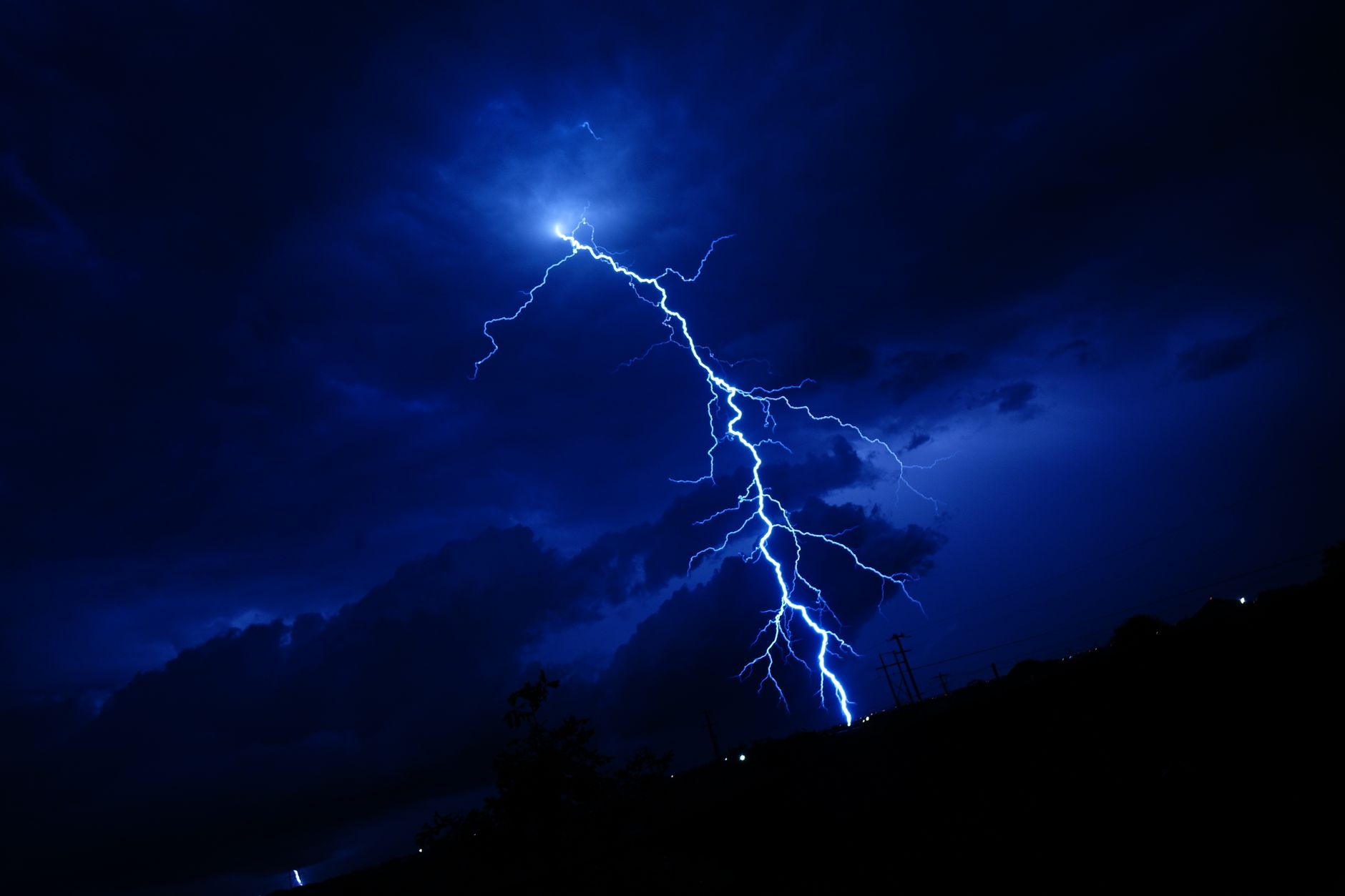
These storms can bring flash flooding, lightning, and microbursts that cause significant property damage. Evening and overnight thunderstorms are common, sometimes cooling things down temporarily before the heat returns the next day.
| Month | Avg High °F | Avg Low °F | Rainfall (in) |
|---|---|---|---|
| June | 89 | 71 | 3.2 |
| July | 95 | 74 | 2.8 |
| August | 94 | 73 | 2.5 |
What Should Residents Expect During Arlington TX Winters?
Arlington TX winters average 55°F highs and 35°F lows, with freezing temperatures expected on 15-20 nights per year.
Winter in Arlington is generally mild but can include occasional freezes, ice storms, and even rare snowfall. The weather is usually predictable but can shift dramatically with Arctic fronts that sweep down from the north.
How Cold Do Winter Nights Typically Get?
Winter low temperatures in Arlington range from 34-42°F, though Arctic outbreaks can push readings into the teens for brief periods.
While snow is rare, ice storms are more common and can cause significant disruptions. Residents learn to prepare for sudden temperature drops and possible power outages during these events.
Are Snowfall and Ice Storms Common in Winter?
Snowfall averages less than 1 inch annually in Arlington, but ice storms occur every 2-3 years and can cause widespread power outages and travel disruptions.
The most significant winter weather events happen when moisture from the Gulf combines with cold air masses from the Rockies and Canada. These events, while infrequent, often catch residents off guard due to their rarity.
What Are the Daylight Hours Like in Winter?
Winter daylight in Arlington lasts approximately 10 hours, with sunrise around 7:15 AM and sunset by 5:30 PM in December.
The shorter days can affect mood and energy levels for some residents, especially during extended cloudy periods that accompany winter storm systems.
How Do Spring and Fall Seasons Behave in Arlington TX?
Spring and fall in Arlington bring mild temperatures ranging from 65-80°F, but also the highest risk of severe weather including tornadoes and hail.
These transitional seasons offer the most comfortable weather but also present the greatest weather-related dangers. Severe thunderstorm seasons peak during these periods, bringing damaging winds, large hail, and occasional tornadoes.
What Makes Spring Weather So Unpredictable?
Spring in Arlington sees temperatures swing 30-40°F within 24 hours as warm and cold fronts collide, creating ideal conditions for severe thunderstorms.
The clash of air masses produces frequent Severe Thunderstorm Warnings and Tornado Watches. Residents monitor weather radar closely during March through May, as this period accounts for over 60% of the year’s severe weather reports.
When Does Fall Weather typically Arrive?
Fall weather in Arlington begins cooling in mid-September, with October offering peak comfort levels averaging 75°F highs and 55°F lows.
The first frost typically arrives in late October or early November, killing summer vegetation and signaling the end of the growing season for local gardeners and farmers.
How Do Storm Systems Develop During Transitional Seasons?
Spring and fall storm systems in Arlington form when dry air from the Rockies meets moist Gulf air, creating powerful updrafts that produce large hail and wind gusts over 70 mph.
These systems can develop rapidly, sometimes within minutes, giving residents little warning beyond radar detection and NWS alerts.
- Monitor local weather forecasts daily during March-May and October-November
- Keep emergency supplies including flashlights, batteries, and water on hand
- Shelter locations are posted at schools and community centers throughout the city
- Consider flood insurance if living in low-lying areas near Cottonwood Creek or Rush Creek
How Does Climate Impact Daily Life and Planning in Arlington TX?
Arlington’s climate directly influences outdoor activity scheduling, energy costs, and seasonal event planning, requiring residents to adapt routines around weather patterns.
The extreme summer heat affects everything from outdoor dining schedules to construction timelines. Local businesses adjust hours and operations based on seasonal weather trends, making climate awareness essential for both residents and visitors.
What Are the Peak Seasons for Outdoor Activities?
The best times for outdoor activities in Arlington are late March to early May and September through mid-November, when temperatures range from 65-85°F with lower humidity levels.
Local attractions like Six Flags Over Texas and Hurricane Harbor align their seasonal operations with these comfortable weather windows. Many residents plan major outdoor events including weddings, festivals, and family gatherings during these periods.
How Do Extreme Weather Events Affect City Operations?
Arlington city services activate emergency protocols for severe weather, including road closures, shelter openings, and utility crews on standby for power restoration within 24 hours.
The city maintains over 20 emergency shelters and coordinates with Tarrant County and DFW regional partners for mutual aid during major weather events that exceed local response capacity.
What Should Visitors Know About Arlington’s Weather Patterns?
Visitors should expect afternoon thunderstorms in summer, mild days with cool nights in winter, and potentially volatile weather during spring and fall transition periods.
Packing layers is essential year-round, as temperatures can vary dramatically between morning and afternoon even within the same season. Checking forecasts daily during stays helps avoid being caught unprepared for sudden weather changes.
Frequently Asked Questions About Arlington TX Weather and Climate
How Many Days Per Year Reach 100°F in Arlington?
On average, Arlington experiences 25-35 days per year with temperatures at or above 100°F, with the peak occurring from mid-July through early August.
Which Month Receives the Most Rainfall in Arlington?
May typically receives the most rainfall in Arlington, averaging 4.2 inches, followed closely by October at 4.0 inches. These coincide with the primary severe weather seasons.
Does Arlington Experience Tornadoes?
Yes, Arlington lies within “Tornado Alley” and experiences tornadoes approximately every 5-7 years. The most recent significant tornado was an EF2 that touched down in May 2019 near the UT Southwestern campus.
What Is the Wettest Season in Arlington TX?
\p>
The wettest period runs from March through May, when the city receives 35% of its annual rainfall. Late spring also brings the greatest risk of flash flooding.
Are There Microclimates Within Arlington?
\p>
Yes, the eastern parts near DFW Airport tend to be slightly cooler and receive more rainfall, while western areas near Cedar Hill are warmer and drier due to elevation differences of approximately 100 feet.
Understanding Arlington’s climate can also help you plan housing decisions, particularly if you’re considering different neighborhoods with varying exposure to heat islands or flood zones. The city’s utility rates for air conditioning spike during summer months, making energy efficiency crucial for residents.
Whether you’re moving to Arlington, visiting for business, or just curious about local conditions, knowing what to expect from the weather helps you make better decisions year-round. As someone who’s covered Arlington’s community stories for years, I’ve learned that the weather here doesn’t just change day-to-day—it shapes how we live, work, and connect as a city.
For students at UTA navigating seasonal transitions from dorm life to off-campus housing, understanding local weather patterns becomes even more important when budgeting for utilities and planning daily commutes across the sprawling campus.