What Drives the Best DFW Economy in 2026?
The DFW economy in 2026 remains the most robust in the Southern United States, anchored by a diverse industrial base that spans aerospace, technology, and global logistics. This regional strength provides a stable environment for businesses, offering significant advantages over coastal markets in terms of operating costs and supply chain access.
⚡ In a Rush? Key Takeaways
- DFW GDP growth is pacing at 3.2% annually, outpacing the national average of 2.1% in 2026.
- Over 150,000 new net jobs were added to the metroplex sector in the last 12-month period.
- Arlington’s industrial corridor supports 45,000+ logistics jobs, serving as a critical regional hub.
- Corporate relocations contributed to $12 billion in new capital investment across the region.
- ✅ Arlington’s central location between Dallas and Fort Worth remains its primary economic competitive advantage.
Why Is the DFW Economy Considered a Leader in 2026?
The DFW economy leads through a mix of low operating costs, a central domestic location, and a massive, growing workforce exceeding 8 million people.
How Do Global Logistics Shape the North Texas Market?
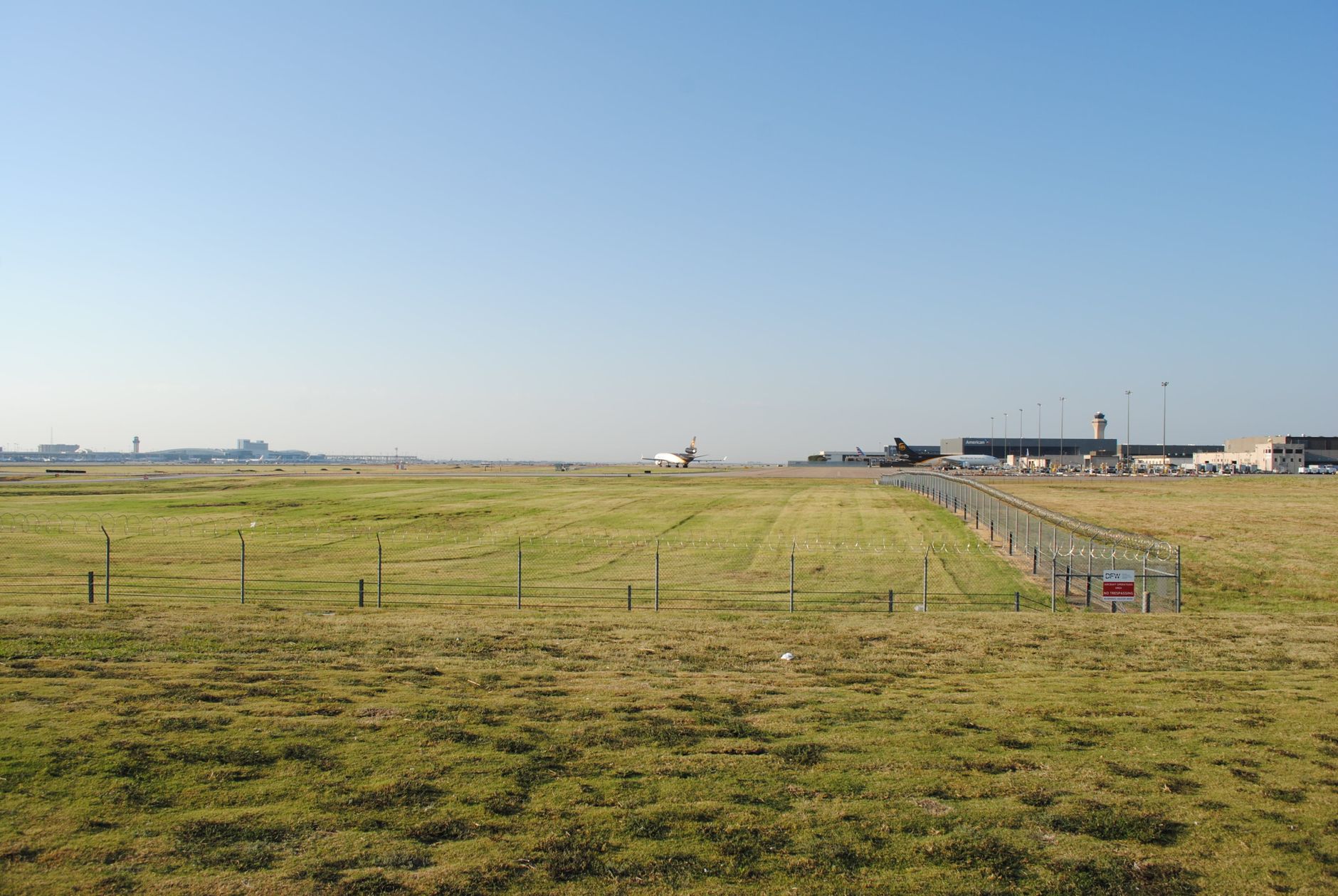
DFW functions as a primary distribution node for North America, leveraging DFW Airport and major interstate corridors to manage high-volume goods.
The region has transformed into the primary distribution engine for the Central United States. Businesses operating in Arlington benefit from direct access to I-20 and I-30, connecting them to every major market within 48 hours.
- Proximity to DFW International Airport reduces transit time for high-value freight.
- Extensive industrial warehousing along the Highway 360 corridor supports rapid delivery.
- Third-party logistics operators are expanding in Arlington to capture regional traffic.
Which Industries Are Driving Corporate Relocations?
Aerospace, defense, and financial services companies are the top sectors moving regional headquarters to the North Texas metroplex area.
As I often note in my coverage of our local business climate, it isn’t just about the stadium economy. The local business ecosystem thrives on the manufacturing partnerships provided by companies like Lockheed Martin and Bell Textron.
| Sector | Growth Driver |
|---|---|
| Aerospace | Defense contract stability |
| Tech | Availability of affordable office space |
| Logistics | Central US supply chain placement |
How Is the Technology Sector Fueling DFW’s Growth?
The DFW metroplex has emerged as a leading technology hub, attracting startups and established firms thanks to a skilled talent pool, favorable business climate, and robust infrastructure.
Major corporations such as Texas Instruments, AT&T, and Microsoft maintain significant presences in the region, while a vibrant startup ecosystem centered in areas like the Dallas Innovation Alliance and the Frisco Technology District draws increasing venture capital investment—exceeding $2.5 billion in 2025 alone. This influx supports growth in software development, cybersecurity, and semiconductor design.
Workforce pipelines are strengthened by local universities including UT Dallas and SMU, which offer specialized engineering and computer science programs, and by coding bootcamps that rapidly upskill residents for tech roles. Combined with relatively affordable office space in suburbs like Plano, Addison, and Las Colinas, these factors create a self‑reinforcing cycle that continues to elevate DFW’s national tech ranking.
How Does Arlington Play a Central Role in Regional Growth?
Arlington acts as the industrial and entertainment anchor of the Metroplex, providing essential manufacturing jobs and a massive tourism revenue stream.
What Is the Impact of the Industrial Corridor?
The industrial zone near Highway 360 supports thousands of high-wage trade positions that form the backbone of the region’s manufacturing output.
The industrial corridor isn’t just a collection of warehouses; it is a sophisticated network of manufacturing and assembly plants. If you are looking to start a business, this is the area where supply chain partnerships are most easily forged.
- Skilled trade shortages are being addressed by local technical training centers.
- Logistics operators provide stable, long-term employment for the local labor force.
- Direct highway access minimizes overhead costs for manufacturing firms.
How Is the Entertainment District Fueling Local Revenue?
The Entertainment District generates billions in annual revenue, sustaining thousands of service sector jobs throughout the entire calendar year.
The synergy between Globe Life Field, AT&T Stadium, and Texas Live! creates a unique economic pressure. It attracts massive capital that filters down into the local hospitality and food sectors consistently.
- Major events act as a recurring stimulus for local small business owners.
- Hotel tax revenue provides significant funding for municipal infrastructure projects.
- Service-based jobs provide an entry point for thousands of local students annually.
Frequently Asked Questions About the DFW Economy
-
Why is DFW outperforming other major metro areas?
DFW wins due to a lower cost of living, business-friendly tax policy, and a central location that simplifies domestic logistics for corporations.
-
Is the Arlington economy tied solely to the stadium?
No, the economy relies on a diverse industrial base including manufacturing, logistics, and higher education that operates independently of tourism.
-
What job sectors are growing the fastest in Arlington?
Logistics, aerospace manufacturing, and technical trade roles are the fastest-growing job sectors currently demanding new skilled labor.
The DFW region is more than just a cluster of suburbs; it is a self-sustaining powerhouse. For those of us based in Arlington, this growth provides a genuine opportunity to build a career in a market that prioritizes professional stability over temporary trends.