Commercial Real Estate Arlington Texas 2026: What to Expect
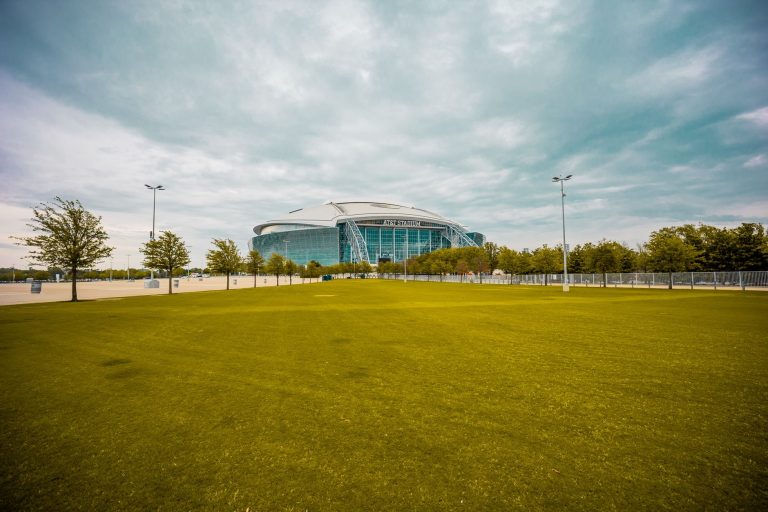
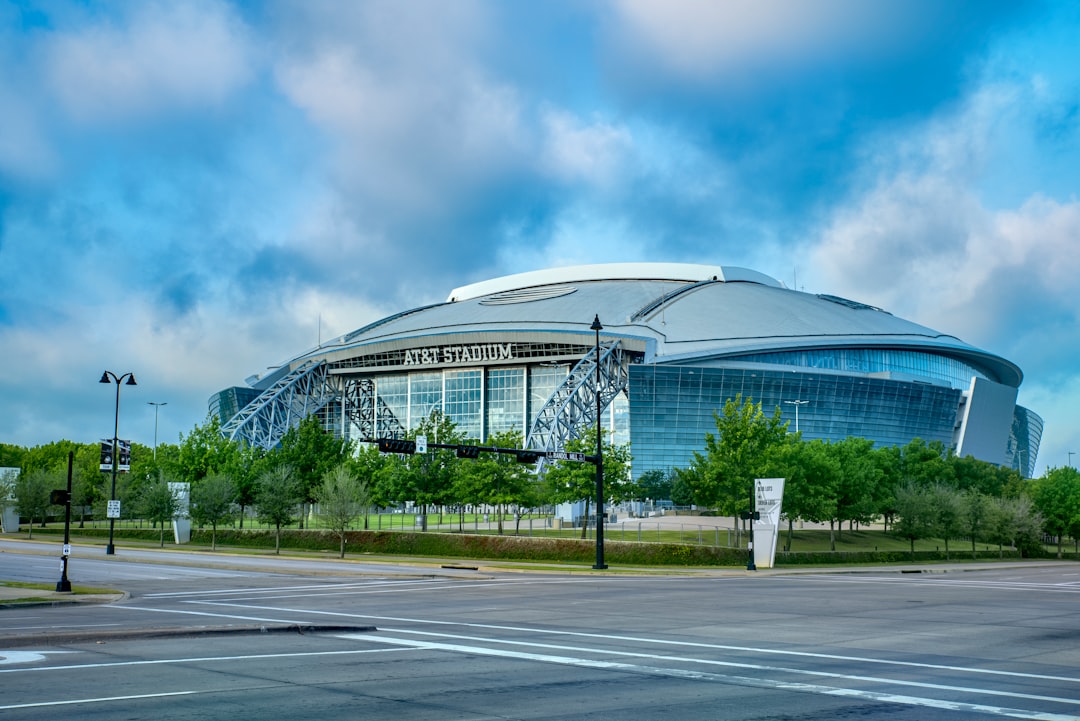
Arlington, Texas, is poised for significant commercial real estate developments in 2026, driven by strong economic growth and ongoing population increases. With AT&T Stadium set to host FIFA World Cup 2026 matches, the city anticipates increased investment and attention, influencing property values and development projects. Understanding these trends is crucial for investors, developers, and business owners looking to capitalize on opportunities in this dynamic market.
What Factors Will Drive Commercial Real Estate Growth in Arlington in 2026?
The growth of commercial real estate in Arlington, TX, in 2026 will be influenced by several key factors. The city’s robust economy, fueled by diverse industries such as entertainment, manufacturing, and technology, creates a stable foundation for business expansion. According to the Texas Real Estate Research Center, the state requires increased housing and commercial spaces to accommodate rapid population growth. This demand ensures that commercial properties, including office spaces, retail locations, and industrial facilities, remain attractive investments.
Furthermore, Arlington’s strategic location within the Dallas-Fort Worth (DFW) metroplex positions it as a prime logistics and distribution hub. Its proximity to major highways like I-20 and I-30, coupled with easy access to DFW International Airport, helps the efficient movement of goods and services. This is particularly beneficial for businesses involved in e-commerce, warehousing, and transportation. As these sectors continue to grow, they will drive demand for industrial real estate in Arlington.
The upcoming FIFA World Cup 2026, with matches hosted at AT&T Stadium, is expected to create a surge in tourism and related commercial activities. This event will necessitate upgraded infrastructure, additional hotel accommodations, and enhanced retail and entertainment options, all of which will spur commercial real estate development. The influx of visitors will also increase demand for short-term rentals and flexible office spaces, catering to temporary business setups and international delegations.
What Types of Commercial Properties Will Be Most in Demand?
In 2026, certain types of commercial properties will likely experience higher demand than others in Arlington. Industrial properties, such as warehouses and distribution centers, are expected to remain highly sought after due to the continued growth of e-commerce and the need for efficient supply chain management. Arlington’s central location and excellent transportation infrastructure make it an ideal hub for these operations.
Retail spaces, particularly those located in high-traffic areas and mixed-use developments, will also be in demand. As the population grows and tourism increases, there will be a greater need for retail establishments, restaurants, and entertainment venues. Properties near AT&T Stadium, Globe Life Field, and Texas Live! are particularly attractive due to the high volume of visitors they attract.
Office spaces, especially those offering flexible leasing terms and modern amenities, will continue to be relevant. Many companies are adopting hybrid work models, requiring adaptable office solutions that can accommodate both in-person and remote employees. Co-working spaces and shared office environments are also gaining popularity, offering small businesses and startups cost-effective and collaborative work environments.
Here’s a summary of the types of commercial properties expected to be in demand:
- Industrial (warehouses, distribution centers)
- Retail (high-traffic areas, mixed-use developments)
- Office (flexible leasing, co-working spaces)
How Will the World Cup 2026 Impact Arlington’s Commercial Real Estate?
The FIFA World Cup 2026 is set to significantly impact Arlington’s commercial real estate market. As AT&T Stadium prepares to host several matches, Arlington anticipates a surge in tourism, infrastructure improvements, and increased commercial activity. This event will stimulate demand across various sectors, including hospitality, retail, and transportation. For example, hotels near the stadium and in the Entertainment District are expected to see high occupancy rates and increased revenue.
The city is preparing for the influx of visitors by investing in infrastructure upgrades, such as improved transportation networks and enhanced public spaces. These improvements will not only benefit World Cup attendees but also enhance the overall attractiveness of Arlington as a business and tourist destination. The increased visibility and positive exposure associated with hosting such a prestigious event can attract new businesses and investments to the area.
Additionally, the World Cup will likely spur the development of new commercial properties, including hotels, restaurants, and entertainment venues. Developers are keen to capitalize on the increased demand by creating spaces that cater to both visitors and local residents. This development activity is expected to boost property values and create new job opportunities, further stimulating the local economy.
What Are the Potential Risks and Challenges in the Arlington Market?
Despite the optimistic outlook, the Arlington commercial real estate market faces potential risks and challenges. Economic fluctuations, changes in interest rates, and unforeseen global events can impact market conditions and dampen investment appetite. It’s important for investors to carefully assess these factors and develop strategies to mitigate potential risks.
Rising construction costs and supply chain disruptions can also pose challenges for developers. Increased material prices and labor shortages can delay project timelines and increase overall costs. These factors can impact the feasibility of new developments and potentially reduce the supply of commercial properties, leading to higher prices and increased competition.
Another challenge is the evolving nature of work and consumer habits. As more companies embrace remote work and online shopping, traditional office spaces and retail locations may need to adapt to remain competitive. This requires innovative solutions, such as incorporating technology, offering flexible spaces, and creating experiential environments that attract tenants and customers.
Here’s a comparison of factors that could impact the Arlington commercial real estate market:
| Factor | Potential Impact |
|---|---|
| Economic Fluctuations | Reduced investment and demand |
| Rising Construction Costs | Delayed projects and higher prices |
| Evolving Work Habits | Need for adaptable spaces |
How Can Investors Capitalize on Arlington’s Commercial Real Estate Opportunities?
To capitalize on the opportunities in Arlington’s commercial real estate market, investors should adopt a strategic and informed approach. Thorough market research, due diligence, and a clear understanding of local conditions are essential. Investors should focus on identifying properties with strong growth potential and those that align with emerging market trends.
Building relationships with local real estate professionals, including brokers, developers, and property managers, can provide valuable insights and access to off-market opportunities. Networking and participating in industry events can help investors stay informed about the latest developments and connect with potential partners. The Real Estate Council of Greater Fort Worth, for instance, hosts regular events that provide timely insights into the region’s commercial real estate landscape.
Diversifying investments across different property types and locations can help mitigate risk and maximize returns. Consider investing in a mix of industrial, retail, and office properties to capture different segments of the market. Also, explore opportunities in emerging areas outside the city center, where land prices may be more affordable and growth potential is higher.
Here are a few strategies investors can use:
- Conduct thorough market research
- Build local relationships
- Diversify investments
Where Can You Find More Information About Arlington Commercial RE?
Staying informed about Arlington’s commercial real estate market requires leveraging various resources and information channels. Start by monitoring local news outlets like the Arlington Now, which provide updates on market trends, development projects, and economic indicators. Subscribing to industry publications, attending real estate conferences, and following relevant blogs can also provide valuable insights.
The Texas Real Estate Research Center is a valuable resource for data and analysis on the state’s real estate market, including Arlington. Their reports and publications cover various sectors, providing insights into market performance, forecasts, and emerging trends. Additionally, local government websites, such as the City of Arlington’s official page, offer information on zoning regulations, development plans, and infrastructure projects.
Networking with local real estate professionals and participating in industry events can provide access to firsthand knowledge and insights. Organizations like the Real Estate Council of Greater Fort Worth host regular meetings and conferences that feature expert speakers and networking opportunities. Engaging with these professionals can help you stay ahead of the curve and make informed investment decisions.
Conclusion
The commercial real estate market in Arlington, Texas, presents significant opportunities in 2026, driven by a robust economy, population growth, and the upcoming FIFA World Cup. While there are potential challenges, strategic investors who conduct thorough research, build local relationships, and diversify their investments can capitalize on the city’s growth potential. By staying informed and adapting to market trends, investors can position themselves for success in Arlington’s dynamic commercial real estate landscape.