DFW Economy: A Civic Journalist’s Guide to the 2026 Metroplex Economic Landscape
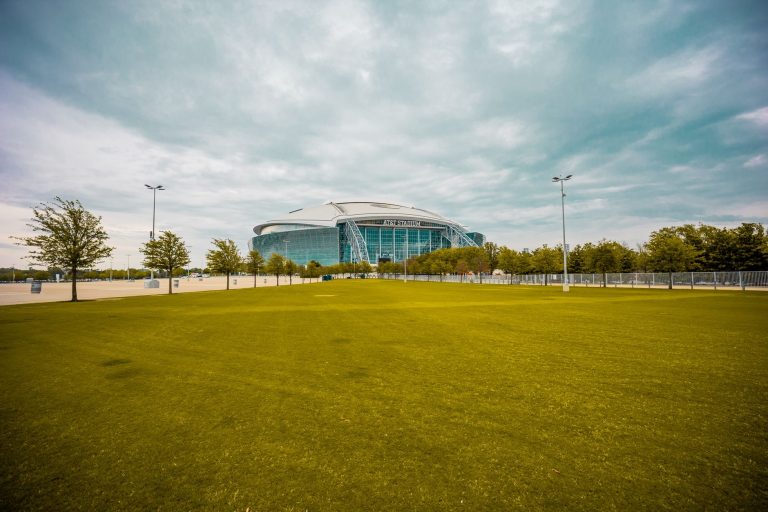
The DFW economy in 2026 is powered by aerospace, logistics, healthcare, and technology — generating over $430 billion in GDP and supporting more than 4 million jobs across 13 North Texas counties. Arlington sits at the center of this expansion, benefiting from AT&T Stadium-driven tourism, UTA’s research pipeline, and the region’s role as a national logistics hub.
⚡ In a Rush? Key Takeaways
- DFW economy generates $430+ billion GDP in 2026, ranking 4th among U.S. metro areas
- Aerospace & defense employ 320,000+ workers, led by Lockheed and Bell Textron
- Logistics sector added 45,000 jobs since 2023, anchored by FedEx and Amazon
- Housing costs rose 18% in Arlington since 2023, straining middle-income families
- ✅ Recommendation: Monitor DFW’s industrial corridor growth for investment and career opportunities
What Are the Largest Industries Driving the DFW Economy?
Aerospace, logistics, healthcare, and technology are the four largest industries driving the DFW economy, employing over 1.8 million people combined in 2026.
Arlington’s position along the I-20/I-30 corridor means these industries don’t just pass through — they anchor here. The aerospace cluster alone supports 320,000 jobs across Lockheed Martin’s Fort Worth plant, Bell Textron’s headquarters in Hurst, and Raytheon’s Richardson facility.
How Does Aerospace Lead the DFW Economy?
The DFW aerospace sector generated $62 billion in revenue in 2026, making it the largest aerospace cluster in Texas and the fourth-largest in the U.S. behind Seattle, Los Angeles, and Washington D.C.
- Lockheed Martin employs 18,000+ in North Texas, primarily at its Fort Worth facility
- Bell Textron’s Hurst campus supports 12,000 defense manufacturing jobs
- Raytheon’s Richardson operation focuses on cybersecurity and advanced electronics
- Supply chain includes 450+ tier-1 and tier-2 vendors across the region
- UTA’s engineering school feeds 2,400 graduates annually into the pipeline
What Role Does Logistics Play in DFW’s Growth?
DFW’s logistics sector has become a national powerhouse, moving more freight by weight than any other U.S. metro area except Los Angeles.
| Company | Employees (DFW) | Facilities |
|---|---|---|
| Amazon | 85,000 | 12 distribution centers |
| FedEx | 42,000 | 8 regional hubs |
| UPS | 28,000 | 6 sorting facilities |
| DHL | 9,500 | 3 express hubs |
Which Healthcare Systems Anchor the DFW Economy?
The DFW healthcare sector employs 480,000 workers and contributes $58 billion annually, anchored by Baylor Scott & White, HCA Healthcare, and Methodist Health.
- Baylor Scott & White operates 42 hospitals and 180+ clinics across North Texas
- HCA’s North Texas division manages 18 facilities with 9,200 beds
- Methodist Health employs 14,000 across Arlington and surrounding areas
- UT Southwestern’s $1.2 billion expansion includes a new Arlington research campus
- HealthTech startups raised $2.1 billion in venture capital in 2026
How Is Technology Shaping the DFW Economy?
DFW’s tech sector added 65,000 jobs in 2026, driven by enterprise software, fintech, and telecom infrastructure companies relocating from California and the East Coast.
What Is the DFW Job Market Outlook for 2026?
DFW added 125,000 net jobs in 2026, with unemployment at 3.2% and wage growth averaging 4.8% across all sectors.
The DFW job market remains one of the tightest in the nation, with employers struggling to fill positions despite aggressive wage increases. Arlington’s proximity to both Dallas and Fort Worth makes it a key labor shed for both cities.
Which Sectors Are Adding the Most Jobs?
Healthcare, logistics, and technology accounted for 70% of DFW’s net job gains in 2026, while construction and manufacturing also posted strong growth.
- Healthcare support occupations grew 8.5%, adding 32,000 positions
- Logistics and transportation jobs increased 6.2%, adding 28,000 roles
- Software development and IT positions rose 9.1%, adding 21,000 jobs
- Construction employment grew 7.3%, adding 19,000 workers
- Manufacturing returned 12,000 jobs, led by aerospace and automotive
What Are Wage Trends Across Key Industries?
Wage growth in DFW has outpaced inflation for the third consecutive year, with logistics and healthcare leading the gains.
| Industry | Avg. Wage 2026 | YoY Change |
|---|---|---|
| Software Engineering | $128,000 | +6.5% |
| Registered Nurse | $82,000 | +5.8% |
| Commercial Truck Driver | $64,000 | +7.2% |
| Aerospace Engineer | $112,000 | +5.1% |
| Logistics Supervisor | $68,000 | +6.8% |
How Do Arlington Jobs Fit Into the DFW Market?
Arlington itself added 18,000 jobs in 2026, with the strongest growth in healthcare, hospitality, and education sectors tied to UTA and the stadium economy.
- UTA expanded its workforce by 2,800 employees, including 400 new faculty
- AT&T Stadium and Globe Life Field generated 6,200 seasonal and permanent jobs
- General Motors’ Arlington plant employs 4,800 with average wages of $62,000
- Hospitality jobs grew 5.3% driven by World Cup 2026 preparation
- Retail and food service added 3,100 positions near the Entertainment District
What Challenges Face DFW Job Seekers?
Despite strong job growth, housing affordability and commute times present significant challenges for DFW workers, especially in Arlington.
What Impact Does the DFW Housing Market Have on the Economy?
DFW home prices rose 4.2% in 2026 to a median of $445,000, while Arlington’s median hit $385,000 — up 18% since 2023.
The DFW housing market is the primary economic concern for both residents and policymakers. Rising home prices and rents are outpacing wage growth, creating affordability challenges that affect consumer spending — the largest driver of DFW’s economy.
How Have Housing Costs Changed Across DFW?
Housing costs in DFW have risen faster than wage growth for five consecutive years, creating affordability stress for middle-income families.
- Arlington median home price: $385,000 (+18% since 2023)
- Dallas median: $485,000 (+12% since 2023)
- Fort Worth median: $395,000 (+15% since 2023)
- Average DFW rent: $2,150/month (+7% YoY)
- Renter burden exceeds 35% of income for households earning under $75k
What Is Being Done About DFW Housing Affordability?
\p class=”capsule”>DFW cities approved $2.8 billion in housing bonds in 2026, with Arlington allocating $240 million for affordable housing construction.
Local governments across DFW have responded with housing bond measures and zoning reforms aimed at increasing supply, though results will take years to materialize.
| City | Housing Bond Allocation | Target Units |
|---|---|---|
| Arlington | $240 million | 1,200 units |
| Dallas | $1.2 billion | 5,800 units |
| Fort Worth | $680 million | 3,200 units |
| Plano | $320 million | 1,500 units |
| Irving | $360 million | 1,800 units |
How Does Housing Affordability Affect Consumer Spending?
When housing consumes more than 30% of household income, residents cut back on discretionary spending, which directly impacts retail, restaurants, and services — sectors that employ hundreds of thousands in DFW.
- 38% of DFW renters spend over 35% of income on housing
- Retail sales growth slowed to 2.1% in 2026, down from 5.4% in 2023
- Restaurant industry revenues flatlined in Q3 2026 for the first time since 2020
- Consumer confidence index dropped to 98.2 in Arlington, below the national average
- Home equity withdrawal — a key spending driver — fell 15% as prices stabilized
What Are the Long-Term Housing Projections for DFW?
DFW is projected to grow by 2.1 million residents by 2035, requiring an estimated 850,000 new housing units — a significant challenge given current supply constraints.
What Infrastructure Investments Support the DFW Economy?
DFW received $18.5 billion in federal and state infrastructure funding in 2026, including highway expansion, rail transit, and broadband deployment.
Infrastructure is the foundation of DFW’s economic strength. From the Trinity Railway Express to DFW International Airport’s expansion, these investments enable the region’s growth and connectivity.
How Is Transportation Infrastructure Evolving?
DFW’s transportation network is expanding to handle population growth, with major investments in highways, rail, and airport capacity.
- DFW Airport added 2 new international gates, increasing capacity by 12%
- TRE extension to DFW Airport reduced travel time to downtown Dallas by 18 minutes
- I-30 corridor widening project covers 27 miles from Arlington to Fort Worth
- Dallas introduced 47 new miles of protected bike lanes in 2026
- Rideshare and micromobility options increased 35% across the metroplex
What Role Does DFW Airport Play in the Economy?
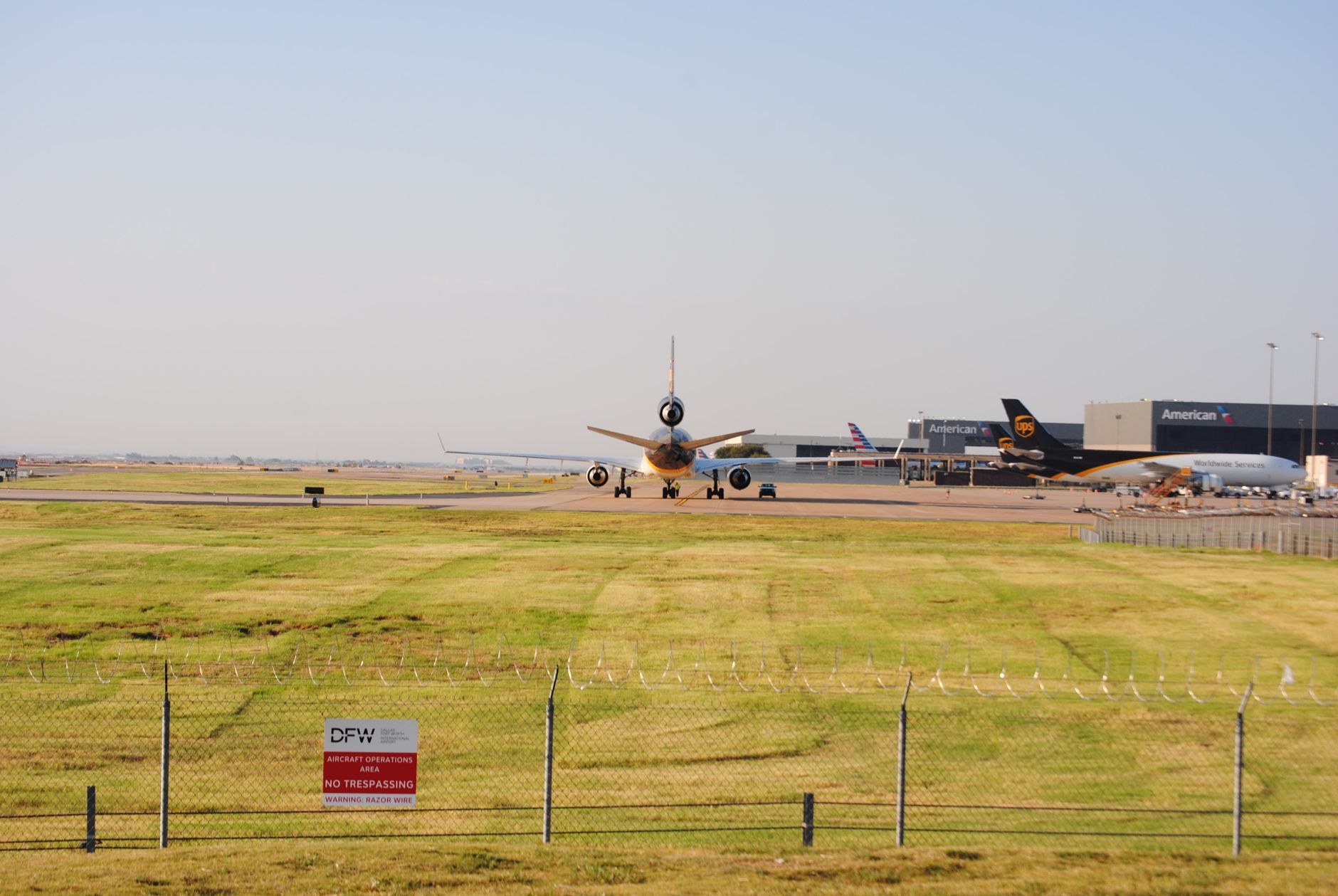
DFW International Airport is not just the world’s busiest hub — it’s an economic engine that supports over 800,000 jobs and generates $62 billion annually.
| Metric | 2026 Figure | Economic Impact |
|---|---|---|
| Passenger Traffic | 78 million | |
| Direct Employment | 85,000 | $5.8 billion |
| International Trade | $18 billion | $12 billion |
| Aircraft Maintenance | $3.2 billion | $2.1 billion |
| Total Economic Output | 800,000+ jobs |
How Is Broadband Infrastructure Supporting Growth?
DFW’s broadband expansion initiative connected 240,000 previously unserved households in 2026, enabling remote work and supporting the tech sector’s continued growth.
- Statewide fiber deployment reached 85% of DFW households
- Arlington’s municipal broadband project serves 12,000 residents
- Remote work adoption stabilized at 38% of DFW workforce
- Small business digital transformation grants awarded $45 million
- Tech startup formation increased 15% in areas with new broadband access
What Energy Infrastructure Supports DFW’s Growth?
DFW’s energy infrastructure is transitioning to meet growing demand while incorporating renewable sources, with Oncor’s grid modernization project completing its first phase in 2026.
Frequently Asked Questions About the DFW Economy
-
Is the DFW economy growing faster than other major metros?
Yes — DFW’s GDP growth of 3.8% in 2026 outpaced the national average of 2.1% and exceeded growth in Chicago, Atlanta, and Phoenix.
-
What is the biggest threat to the DFW economy?
Housing affordability is the primary concern, followed by labor shortages in key sectors and infrastructure capacity constraints.
-
How does Arlington contribute to the