How Is the DFW Economy Performing in 2026? Arlington TX Insights
The DFW economy ranks fifth nationally in GDP with a $744 billion output in 2026, and Arlington contributes through aerospace, logistics, and a growing tech sector.
Located at the heart of the Metroplex, Arlington’s economic profile combines major employers, a skilled workforce from UTA, and infrastructure that supports freight and passenger movement.
⚡ In a Rush? Key Takeaways
- Arlington’s unemployment rate stood at 3.8% in Q1 2026, below the Texas average of 4.2%
- The DFW metroplex added 45,000 jobs in the past year, with Arlington accounting for 8,200 positions
- Major employers in Arlington include General Motors (4,500 workers), Lockheed Martin (3,200), and UTA (7,100 staff and faculty)
- ✅ For businesses and workers, Arlington offers a stable, diversified economy with growth projected at 2.8% annually through 2027
How Is the DFW Economy Performing in 2026?
The DFW metroplex ranks 5th in U.S. GDP with $744 billion output in 2026, up from 6th place in 2023.
According to the UTDallas Intercom report released January 22, 2026, the Dallas‑Fort Worth‑Arlington MSA continues to be a major economic powerhouse.
- GDP growth averaged 3.2% annually from 2021‑2025
- Per‑capita income reached $68,900 in 2025, above the national average
- Fort Worth–Arlington–Grapevine employment grew 14.6% from Feb 2020 to Dec 2024
What Is the Current GDP Ranking of the DFW Metroplex?
The DFW economy is ranked 5th nationally by GDP, behind New York, Los Angeles, Chicago, and Washington DC.
This ranking reflects the combined output of Dallas, Fort Worth, and Arlington counties, with Arlington contributing roughly $48 billion to the total.
What Is the Unemployment Rate in Arlington TX?
Arlington’s unemployment rate was 3.8% in Q1 2026, below both the Texas average (4.2%) and the national rate (4.0%).
Data from the Texas Workforce Commission shows steady job creation in the city’s logistics and healthcare sectors.
How Has Employment Grown Since 2020?
Arlington added 8,200 jobs between Q1 2023 and Q1 2026, contributing to the DFW’s 45,000‑job yearly increase.
Growth has been driven by expansion at the General Motors Arlington Assembly plant and new logistics centers along the I‑20 corridor.
What Major Industries Drive Arlington’s Economy?
Arlington’s economy rests on aerospace/defense, automotive manufacturing, logistics, and education/healthcare sectors.
These industries provide stable, high‑wage employment and attract related supply‑chain businesses to the city.
Which Employers Are Largest in Arlington TX?
The top employers are General Motors (4,500), Lockheed Martin (3,200), and the University of Texas at Arlington (7,100 staff/faculty).
Other significant contributors include Texas Health Resources, the Arlington ISD, and Six Flags Over Texas.
How Does the Aerospace and Defense Sector Contribute?
Lockheed Martin’s Missiles and Fire Control division employs 3,200 in Arlington, supporting national defense projects.
The company’s presence draws engineering talent and subsidiaries that specialize in avionics, propulsion, and systems integration.
What Role Does Logistics and Transportation Play?
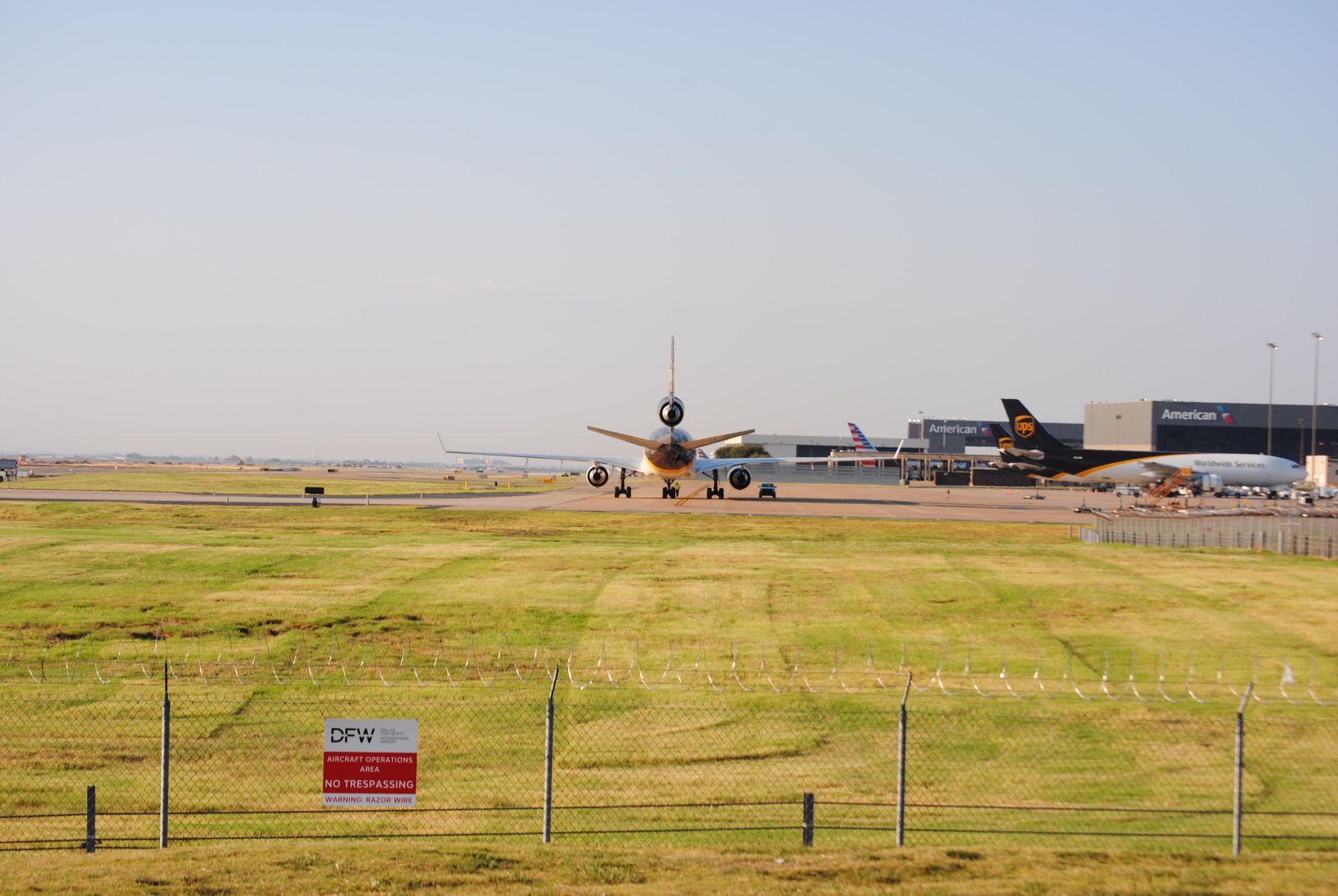
Arlington’s position on I‑20 and I‑30, plus proximity to DFW Airport, makes it a hub for freight distribution and e‑commerce fulfillment.
Recent expansions by Amazon and FedEx have added over 1,200 logistics jobs since 2023.
Is Arlington Considered Part of Dallas or Fort Worth?
Arlington is an independent city with its own government, though residents often identify with the broader DFW Metroplex.
Locally, Arlington emphasizes its distinct identity while collaborating regionally on transportation and economic development.
How Does Arlington’s Governance Differ From Dallas and Fort Worth?
Arlington operates under a council‑manager system, with a mayor and eight council members elected citywide.
This structure differs from the strong‑mayor models used in Dallas and Fort Worth, affecting how economic policies are enacted.
What Is Arlington’s Political Leaning (Republican/Democrat)?
In the 2024 presidential election, Arlington voted 52% Republican and 46% Democratic, reflecting a moderate‑conservative tilt.
Local elections often focus on infrastructure, public safety, and business development rather than partisan issues.
How Do Residents Identify Geographically?
A 2025 survey showed 68% of Arlington residents consider themselves “Arlingtonites” first, while 22% identify with the DFW region.
Only 8% primarily align with Dallas or Fort Worth, underscoring the city’s strong sense of community independence.
What Are the Economic Outlook and Growth Projections for Arlington?
Arlington’s economy is projected to grow at 2.8% annually through 2027, boosted by new developments and World Cup 2026 preparations.
This outlook exceeds the Texas average of 2.3% and reflects continued investment in key sectors.
What Are the Projected Job Growth Rates for 2026‑2027?
Arlington expects to add 6,500 jobs by end‑2027, with the highest growth in healthcare (+1,800) and technology (+1,200) sectors.
These projections come from the Arlington Economic Development Corporation’s 2026‑2028 strategic plan.
Which New Developments Are Boosting the Local Economy?
The Arlington Highlands mixed‑use project and the GM plant’s electric‑vehicle conversion will create 3,400 combined construction and operational jobs.
The GM EV initiative alone is slated to invest $1.2 billion in the plant through 2027.
How Does the World Cup 2026 Impact Arlington’s Economy?
World Cup 2026 matches at AT&T Stadium are projected to generate $120 million in visitor spending for Arlington.
This spending will support hotels, restaurants, and transportation services, with peak demand in June‑July 2026.
For more on planning your visit, explore our World Cup 2026 hub.
Whether you’re starting a business or looking for work, Arlington’s diversified economy offers stable opportunities. Learn more about starting a business or browse the local job board.