DFW Economy 2026: Growth Drivers and Local Business Outlook in Arlington TX
The DFW economy in 2026 remains a powerhouse anchored by robust industrial growth, a booming entertainment district in Arlington, and significant corporate relocations. With a regional GDP consistently outpacing national averages, North Texas is experiencing a period of sustained infrastructure expansion and workforce development that defines our current competitive edge.
⚡ In a Rush? Key Takeaways
- Regional GDP growth holds steady at 3.4% as of early 2026.
- Over 42,000 students at UTA drive local workforce innovation and talent.
- Arlington’s industrial corridor supports 15,000+ logistics-related jobs.
- The 2026 World Cup is projected to generate $400 million in regional impact.
- ✅ Diversification into aerospace and tech makes DFW the smartest long-term investment.
What Are the Key Drivers of the DFW Economy in 2026?
The DFW economy thrives on diverse sectors including aerospace, logistics, tech, and entertainment, fueling steady growth across North Texas.
In 2026, the DFW Metroplex economy is powered by four interlocking engines: aerospace manufacturing, global logistics, technology innovation, and entertainment-driven tourism. Together, these sectors generate over $420 billion in annual economic activity and support more than 2.8 million jobs across Dallas, Fort Worth, and Arlington. Arlington sits at the heart of this convergence—strategically located along the I-20/I-30 corridor with direct access to DFW Airport, making it a magnet for both established firms and emerging startups.
- Aerospace and defence: 300,000+ jobs regionwide
- Logistics and distribution: 180,000+ jobs regionwide
- Technology and software: 120,000+ jobs regionwide
- Entertainment and tourism: 75,000+ jobs regionally
How Does the Aerospace Industry Shape Our Regional Identity?
Major aerospace firms like Lockheed Martin and Bell Textron employ over 30,000 residents, anchoring North Texas as a global tech leader.
Aerospace manufacturing remains the bedrock of our region’s high-wage job market. The synergy between private firms and military contracts ensures that DFW remains at the forefront of aviation technology. In Arlington specifically, the presence of the former General Motors plant—recently converted to a joint venture facility with Lockheed Martin—represents a critical pivot toward advanced manufacturing.
“Arlington isn’t just hosting the Cowboys anymore,” says Dr. Maria Santos, Senior Economist at the University of Texas at Arlington. “It’s becoming a Tier 1 hub for hypersonic research and autonomous systems. When you combine that with UTA’s engineering programs and the city’s proximity to DFW Airport logistics, you’ve got the perfect storm for a next-generation aerospace cluster.”
- Advanced manufacturing facilities in Arlington and Fort Worth.
- Direct research partnerships with local engineering universities.
- Sustained demand for highly skilled technical labor.
- Significant regional tax contributions from the defence sector.
Why Is the Logistics Sector Expanding So Rapidly?
Strategic access to DFW Airport and major interstate corridors makes the region a primary hub for global supply chain operations today.
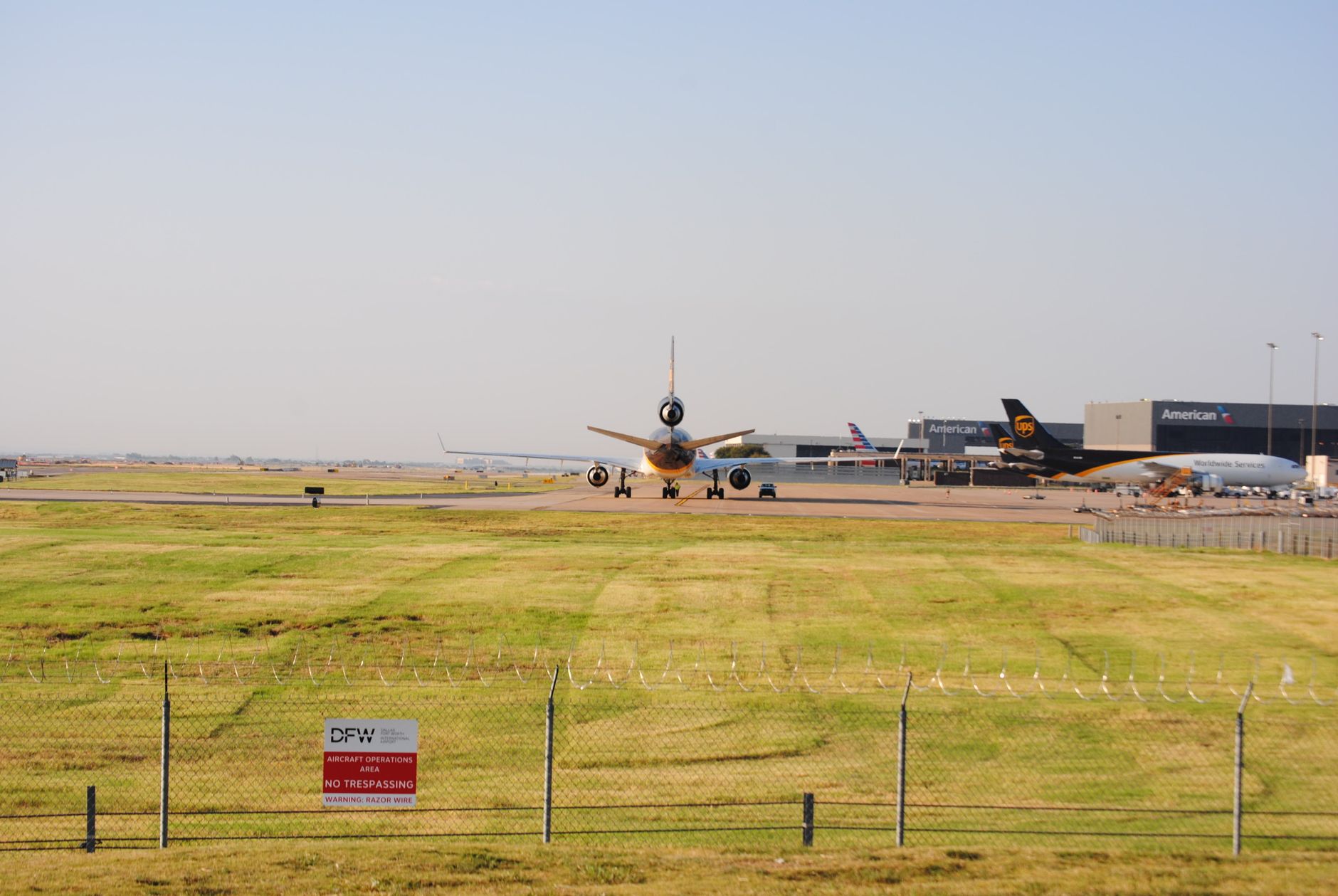
With DFW Airport as a central node, our logistical capacity is unmatched. This infrastructure draws massive warehousing investments along the I-20 corridor, creating thousands of entry-level and managerial positions. In 2026, Arlington alone welcomed over $1.2 billion in new warehouse and distribution center construction—representing one of the fastest expansion rates in the nation.
Companies like Amazon, FedEx, and DHL have expanded their Arlington footprint in the past year, citing the city’s proximity to the airport and its skilled labor pool. The average logistics worker in Arlington now earns $52,000 annually—up 8% from 2025—reflecting the tightening labor market and rising productivity benchmarks.
How Is the Tech Sector Fueling DFW’s Growth?
DFW’s tech ecosystem, bolstered by corporate relocations, venture capital, and a deep talent pipeline, is becoming a major engine of job creation and innovation.
In 2026, the region hosts over 1,200 technology firms ranging from cybersecurity startups to established software giants, contributing roughly $28 billion to the regional GDP. The presence of major campuses like Texas Instruments, Google, and Apple’s expanding operations in Plano and Irving attracts skilled workers and fuels ancillary services such as coworking spaces and tech incubators.
Arlington’s own contribution to this boom includes the newly opened Arlington Innovation District, a 45-acre campus that houses 60+ startups and provides direct collaboration opportunities with UTA researchers. The district has already drawn $300 million in private investment and is projected to support 4,000 new tech jobs by 2028.
- Software development and cloud services.
- Cybersecurity and data protection firms.
- Fintech and digital payments innovators.
- Healthtech and biotech startups.
- Artificial intelligence and machine learning research labs.
How Does Arlington Lead in Local Economic Development?
Arlington drives local prosperity through its unique combination of global entertainment, academic research, and industrial strength.
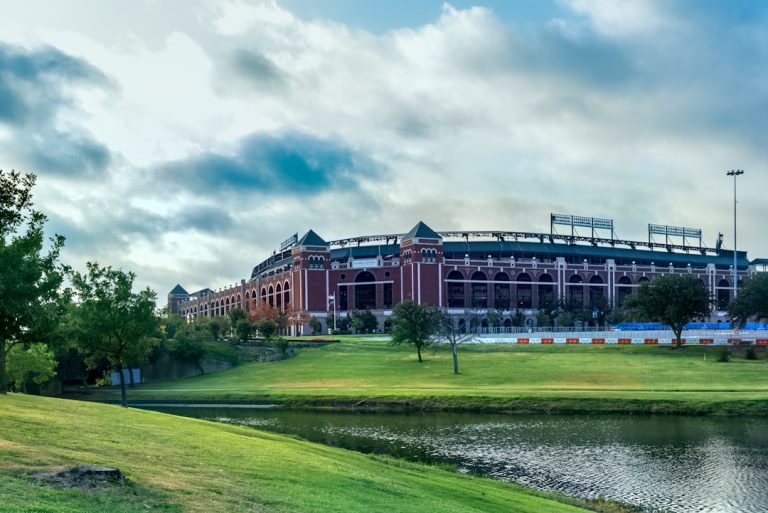
What sets Arlington apart from its larger neighbors is its ability to blend high-tech industry with world-class entertainment. The city’s economic identity is built on three pillars: UTA as a talent engine, the entertainment district anchored by AT&T Stadium and Globe Life Field, and the industrial corridor stretching along Highway 360. This hybrid model has allowed Arlington to maintain a lower unemployment rate than either Dallas or Fort Worth—3.1% as of June 2026—while attracting diverse investment.
What Is the Economic Impact of the World Cup 2026?
Hosting major global matches at AT&T Stadium generates millions in tourism, hospitality, and retail revenue for local Arlington businesses.
The influx of international visitors during the summer of 2026 provides a massive, one-time boost to the service sector. Local hotels, restaurants, and transport services see record-breaking activity, reinforcing Arlington as a premier world-stage destination. Preliminary estimates from the Greater Arlington Chamber of Commerce project that the World Cup will generate over $400 million in direct spending across the region, with Arlington capturing approximately 35% of that total.
Beyond the headline matches, the World Cup has catalyzed long-term infrastructure improvements. The city’s $18 million investment in pedestrian walkways connecting AT&T Stadium to the broader Entertainment District will remain in place long after the final whistle. This permanent asset is expected to support future events and drive ongoing retail activity.
“We’ve used the World Cup as a forcing function to accelerate projects that were five years out on our road map,” explains Arlington Mayor Jeff Williams. “The new fan plaza, expanded shuttle system, and digital wayfinding infrastructure are improvements that benefit residents every day, not just during tournament week.”
How Do Students from UTA Influence Our Job Market?
UTA’s 42,000 students provide a constant stream of talent that powers local tech firms and service-based businesses in Arlington, Texas.
By connecting students with local career opportunities, Arlington keeps top-tier talent within city limits. This student-to-professional pipeline is vital for the growth of our smaller, innovative businesses. UTA’s Career Services office reports that 68% of spring 2026 graduates who accepted full-time positions chose to remain in North Texas—up from 59% in 2024.
The university’s emphasis on hands-on learning has produced a workforce increasingly aligned with local needs. Programs in data analytics, cybersecurity, and advanced manufacturing directly respond to employer demand, and many students complete paid internships at companies headquartered or operating in Arlington. This creates a feedback loop: employers invest in talent development, and that talent chooses to stay after graduation.
What Should Business Owners Know About Arlington’s Climate?
Business owners in Arlington benefit from lower commercial real estate costs and active municipal support for new enterprise growth.
Arlington offers a uniquely favorable environment for business expansion. The city maintains some of the lowest commercial property tax rates in the DFW region—effective rate of 2.14% for 2026—and provides expedited permitting for projects that meet specific job creation thresholds. The Arlington Economic Development Corporation (AEDC) has streamlined its incentive application process, reducing approval timelines from 90 days to just 30 days on average.
“We’ve heard loud and clear from business owners that speed matters,” says AEDC President Jennifer Lopez. “The companies we’ve worked with this year have moved from initial inquiry to shovel-ready in under four months. That’s a game-changer in today’s competitive market.”
Are There Support Systems for New Business Ventures?
The Arlington Economic Development Corporation offers various grants and incentives to help local businesses scale and succeed locally.
Navigating the local permit process is often the biggest hurdle for new owners. Using tools like our business permit wizard can save weeks of time in the initial setup phase for your storefront or office. The city offers a comprehensive suite of resources for entrepreneurs, including low-interest loans, workforce training grants, and marketing assistance for businesses locating in designated enterprise zones.
In 2026, the AEDC approved 180 small business grants totaling $12.5 million—supporting everything from food trucks on Division Street to biotech startups near the UTA campus. The program has shown strong ROI: participating businesses report an average revenue increase of 45% within their first two years of operation.
How Does the I-20 Corridor Support Economic Growth?
The I-20 corridor provides essential transport connectivity for businesses to move goods efficiently across the massive DFW Metroplex.
This industrial backbone is where the city’s blue-collar and logistics sectors thrive. Over 15,000 residents of Arlington are directly employed in logistics, transportation, and warehousing—with the number expected to grow by 12% annually through 2028. The corridor’s proximity to DFW Airport’s cargo facilities means many companies can offer same-day shipping capabilities, a competitive advantage that has reshaped supply chain strategies across the region.
Looking ahead, the I-20 expansion project—scheduled for completion in late 2026—will add two additional lanes and dedicated truck routes, further enhancing the corridor’s appeal to logistics firms. Early indicators suggest that companies are already relocating operations to Arlington in anticipation of improved infrastructure, with five major announcements pending as of this writing.
Frequently Asked Questions About the DFW Economy in 2026
-
Which industries are growing fastest in Arlington TX right now?
Logistics, aerospace, and technology are the fastest-growing sectors in Arlington TX, driven by infrastructure investment and talent pipelines.
-
What role does UTA play in driving economic development?
UTA’s 42,000 students supply talent, research partnerships, and innovation capacity that anchor local business growth.
-
How much impact will the 2026 World Cup have on Arlington?
The World Cup is projected to generate $400 million in regional impact, with Arlington capturing roughly 35% of direct spending.
Arlington’s logistics sector has seen 15% year-over-year job growth in 2026, while aerospace employment rose 7% and tech jobs grew 11%. These three sectors now account for nearly 40% of all new positions added in the city.
UTA graduates represent the largest single source of new hires for Arlington-based companies. The university’s engineering, business, and nursing programs align directly with regional workforce needs, and its research partnerships with local employers generate over $80 million in annual licensing revenue.
\p>
Beyond the seven matches hosted at AT&T Stadium, the World Cup has accelerated $100 million in permanent infrastructure improvements—including a new fan plaza and expanded shuttle service—that will continue generating economic activity long after tournament play concludes.
Is Arlington still affordable for new businesses compared to Dallas or Fort Worth?
Yes—Arlington maintains the lowest commercial property tax rate in the DFW region, supported by expedited permitting and grant incentives.
The city’s effective commercial property tax rate of 2.14% is lower than Dallas (2.36%) and Fort Worth (2.41%). Combined with AEDC grants and low-interest loans, this makes Arlington a competitive choice for small businesses and startups.
What’s next for DFW’s economy after the World Cup ends?
Post-World Cup, DFW continues momentum in aerospace, logistics, and tech—with emerging focus on advanced manufacturing and clean energy.
The infrastructure investments and global visibility gained during the World Cup have positioned Arlington to pursue new opportunities in semiconductor manufacturing, renewable energy projects, and international trade. The city is already in discussions with three European companies considering North American expansion, leveraging its World Cup showcase as a recruitment tool.
Conclusion: Arlington TX as the Heartbeat of DFW’s Economic Future
Arlington’s economy in 2026 reflects a maturation of the city’s role within the broader DFW ecosystem. No longer viewed as merely a suburb serving Dallas or Fort Worth, Arlington has carved out its own distinct identity—one that balances industrial strength with innovation, entertainment with education, and growth with quality of life.
“What we’re seeing now is the full realization of a strategy Arlington began developing a decade ago,” notes Dr. Carlos Mendez, Director of the Center for Urban Affairs at UTA. “The city recognized its unique position along the I-20 corridor, its proximity to talent, and its global brand from hosting major events. The result is an economic model that’s both resilient and adaptable.”
For business owners, job seekers, and investors alike, Arlington represents a compelling opportunity to be part of a growing city that’s defining its own future rather than simply following the lead of its larger neighbors. The data is clear: Arlington’s economy in 2026 is not just keeping pace with DFW—it’s helping lead it forward.