What Is the Outlook for the DFW Economy in 2026?
The DFW economy in 2026 is currently sustained by a diversified mix of corporate relocations, massive industrial logistics infrastructure, and a resilient labor market that consistently outperforms national averages. As one of the fastest-growing regions in the United States, North Texas remains a primary hub for global commerce, tech, and manufacturing.
⚡ In a Rush? Key Takeaways
- Regional GDP growth holds steady at 3.2% through the first half of 2026.
- Unemployment rates in North Texas remain below 3.5%, signaling a tight labor market.
- Over 150 corporate relocations and expansions occurred in the DFW metroplex this year.
- Construction activity in Arlington and surrounding areas hit a record $4.2 billion valuation.
- Verdict: The DFW economy remains a top-tier national leader for business investment.
Why Is the DFW Economy Growing Faster Than Other Major US Metro Areas?
DFW growth stems from a business-friendly tax environment, central geographic location, and a massive, affordable labor pool for companies.
How Do Corporate Relocations Impact Local Employment?
Corporate shifts to DFW create thousands of high-wage jobs annually, diversifying the economy beyond traditional energy and finance sectors.
Large-scale moves to the region have transformed North Texas into a headquarters destination. When major firms relocate, they bring secondary investment that fuels local service economies.
- Tech sector expansion near the Legacy business corridor.
- Financial services growth centered in Las Colinas and Uptown.
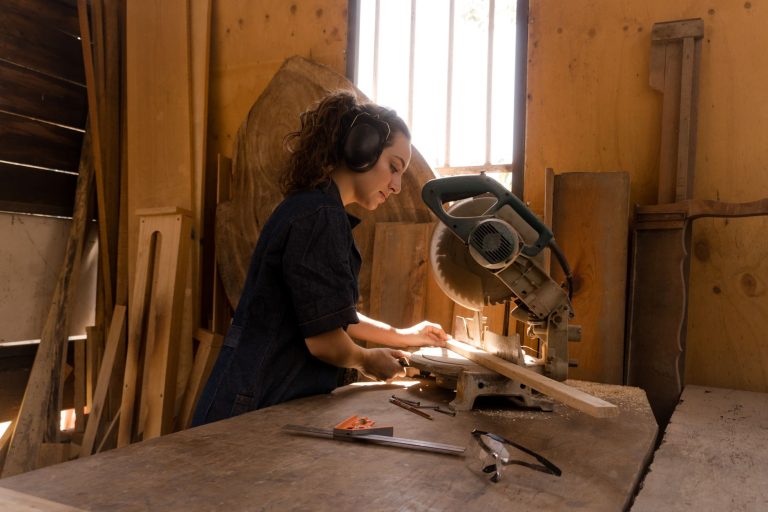
- Increased demand for skilled construction and trade labor to build office infrastructure.
What Role Does the Industrial Sector Play in Economic Stability?
Industrial logistics near DFW Airport and the I-20 corridor form the backbone of the region, ensuring steady demand for goods and services.
The industrial corridor near Arlington is a prime example of sustained economic activity. Because companies need warehouse space, they build extensive facilities that generate property taxes and local jobs.
| Sector | Growth Driver |
|---|---|
| Logistics | E-commerce demand |
| Manufacturing | Defence and aerospace |
| Commercial Real Estate | Office expansion |
How Is the Arlington Business Climate Contributing to Regional Success?
Arlington acts as the strategic heart of the Metroplex, leveraging its central location between Dallas and Fort Worth to capture commercial investment.
How Are Local Business Incentives Attracting New Owners?
Arlington provides targeted grants and permitting assistance to small businesses, fostering a vibrant local entrepreneurship ecosystem today.
Many new business owners often underestimate the complexity of local regulations. Navigating the process effectively is key for anyone looking to start a business in Arlington.
- Streamlined permitting for commercial retrofits.
- Access to business development grants for small startups.
- Strong proximity to major entertainment district traffic.
What Is the Impact of the Entertainment District on the Local Economy?
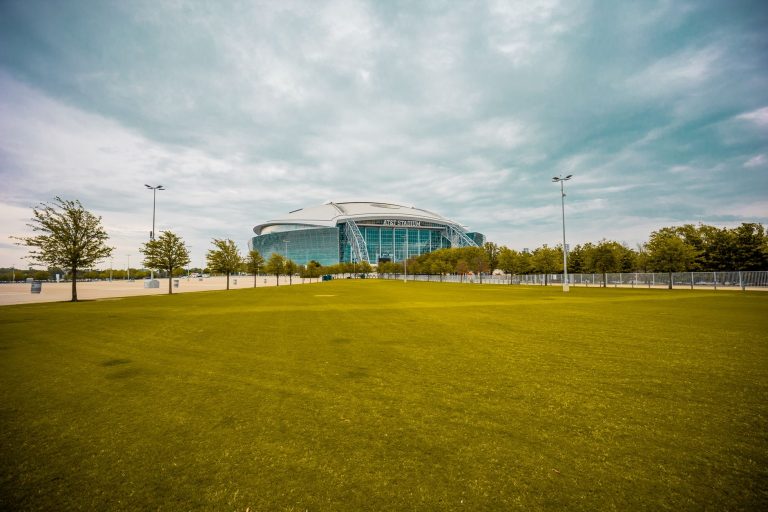
Major events, including FIFA World Cup 2026 matches, inject millions into Arlington’s hospitality, retail, and transportation sectors annually.
The Entertainment District is more than just tourism; it is a permanent engine for growth. Consistent sports and event hosting keeps service-sector employment elevated year-round.
What Role Does the Healthcare and Life Sciences Sector Play in DFW’s Economy?
DFW’s healthcare cluster, anchored by major academic medical centers and a growing biotech corridor, supplies high‑wage jobs and attracts ancillary services.
UT Southwestern’s 2025 expansion of its biomedical research tower added 1,200 permanent positions and spurred nearby lab‑service firms to locate in the Las Colinas corridor. Simultaneously, Texas Health Resources opened a 300‑bed specialty hospital in Arlington, creating 800 clinical jobs and increasing demand for local construction trades and medical‑device suppliers supporting regional supply chains.
Frequently Asked Questions About the DFW Economic Outlook
-
Is the DFW housing market cooling down in 2026?
Housing price growth has stabilized compared to 2024, but inventory remains limited, maintaining high demand across the DFW residential market.
-
What industries are hiring the most in North Texas right now?
The most active hiring sectors are professional services, healthcare, and advanced manufacturing, reflecting the region’s diverse economic base.
-
How can workers find job opportunities in the current market?
Prospective employees should use regional career hubs and check local job boards for updated listings in high-growth industrial sectors.
-
Is Arlington a good place for small businesses in 2026?
Arlington offers lower overhead costs than Dallas or Fort Worth, making it an ideal choice for businesses seeking central access to Metroplex clients.
-
How will World Cup 2026 impact long-term local growth?
World Cup events accelerate infrastructure investment and brand recognition, creating a permanent economic lift for local hospitality businesses.
-
What Role Does Education and Workforce Development Play in Sustaining Economic Growth?
DFW’s network of universities and job training programs ensures a steady supply of skilled workers, critical for maintaining the competitiveness of local industries.
Local universities are forming strategic partnerships with major employers to develop tailored training programs. This collaborative approach helps ensure that graduates are equipped with the skills required by the current job market, thereby reducing the gap between education and employment.
- Collaborative degree programs in tech and advanced manufacturing.
- Vocational training for skilled trades like electrical and HVAC work.
- Internship programs providing hands-on experience in professional services.
The DFW economy remains a powerhouse for growth, underpinned by a strategic location and a pro-business climate that few other regions can replicate. As we move through 2026, the focus will likely remain on maintaining the balance between rapid expansion and sustainable community infrastructure.