What Is the Outlook for the DFW Economy in 2026?
The DFW economy in 2026 remains a national leader in job creation, with a projected GDP growth of 3.2% driven by a massive influx of corporate relocations and a resilient industrial sector. As the region solidifies its status as a top-three commercial hub in the United States, infrastructure development and a diversified workforce continue to insulate the metroplex from broader national volatility.
⚡ In a Rush? Key Takeaways
- Regional GDP is forecast to grow by 3.2% throughout the 2026 calendar year.
- The logistics sector has added over 15,000 jobs along the I-20 corridor since 2024.
- Arlington’s Entertainment District drives $1.2 billion in annual tourism-related revenue.
- Unemployment rates in the metroplex remain stable at approximately 3.4% this year.
- ✅ Proactive business owners should focus on regional supply chain integration for growth.
What Are the Key Growth Drivers for the DFW Economy in 2026?
DFW growth in 2026 is fueled by major corporate relocations, an expanding logistics network, and record tourism spending in Arlington.
Why Is the Logistics Sector Expanding Along the I-20 Corridor?
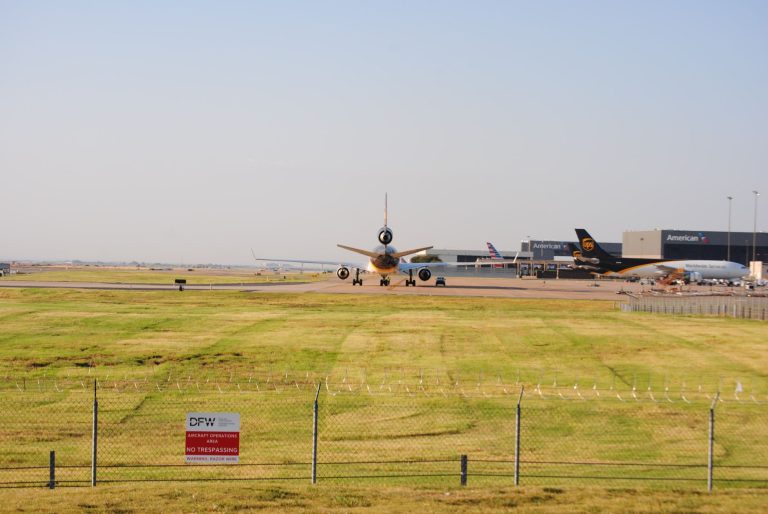
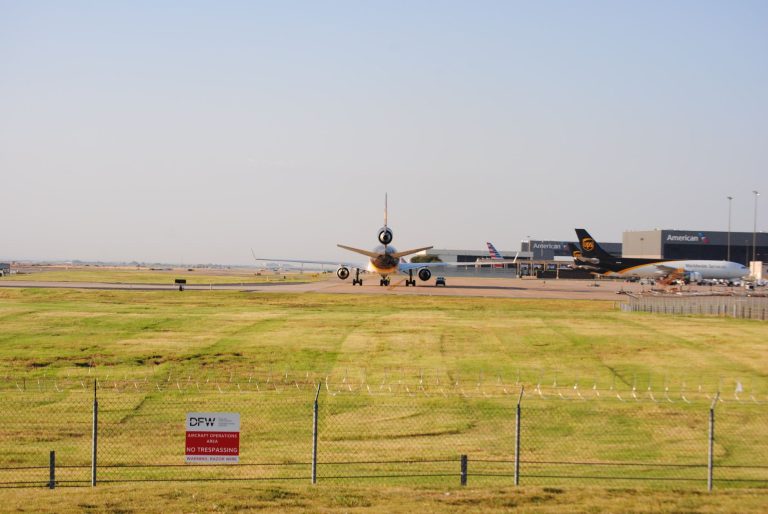
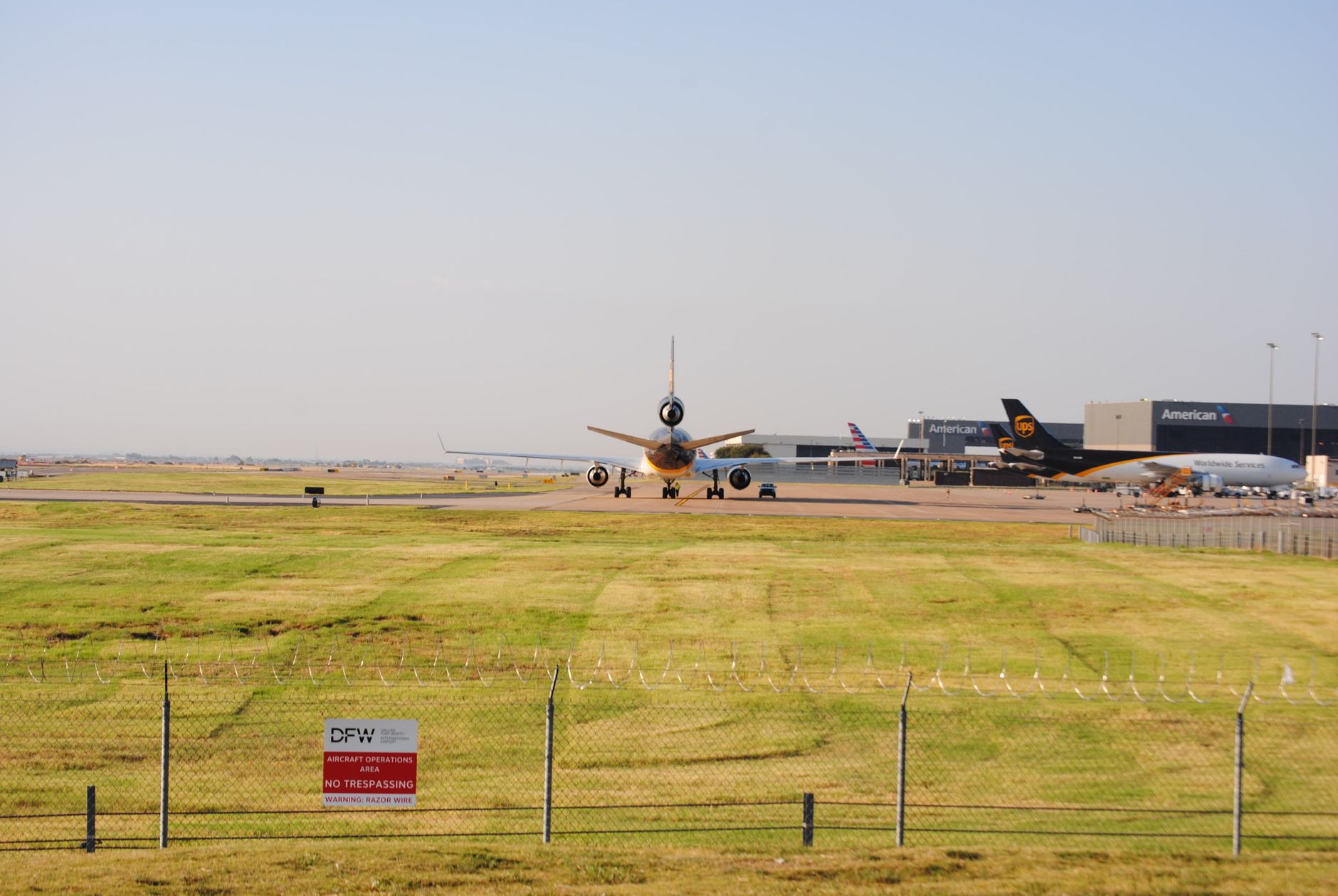
The I-20 corridor provides critical access to DFW Airport, attracting massive warehousing investments that support regional supply chains.
The industrial spine of Arlington and its neighbouring cities has transformed into a global logistics nexus. By positioning operations here, companies minimize transit times to the DFW Airport, which serves as the region’s primary economic engine.
- Proximity to major rail and highway freight intersections reduces shipping overheads by 15%.
- New automation-focused warehouses are creating high-skilled maintenance and tech roles.
- Expansion in this sector supports the local workforce by increasing average hourly wages.
- Third-party logistics operators have seen a 20% increase in regional demand since last year.
How Much Does the Entertainment District Impact Regional Revenue?
Arlington’s entertainment district generates over $1 billion annually, creating a massive multiplier effect for local service businesses.
With AT&T Stadium hosting international events throughout 2026, the local hospitality sector is seeing unprecedented volume. This isn’t just about stadium ticket sales; it’s about the sustained traffic flowing into our local restaurants and hotels.
| Metric | 2026 Impact |
|---|---|
| Annual Tourism Spend | $1.2 Billion |
| Hotel Occupancy | 88% Average |
| New Service Jobs | 4,500+ Created |
How Is the Technology Sector Contributing to DFW’s Growth?
DFW’s tech ecosystem is expanding rapidly, driven by corporate HQ relocations, venture capital inflow, and a growing talent pipeline from local universities.
The region hosts major technology firms such as Texas Instruments, AT&T, IBM, and a rising number of AI‑focused startups, attracting over $2.5 billion in venture capital in 2025 alone. This influx has spurred the development of innovation districts like the Dallas Innovation Alliance and the Fort Worth Tech Corridor, which provide co‑working spaces, incubators, and partnerships with UT‑Arlington and SMU.
As a result, tech‑related employment in DFW grew by 12% year‑over‑year, with high‑demand roles in cybersecurity, fintech, and cloud infrastructure. The sector’s expansion also fuels ancillary growth in real estate, professional services, and advanced manufacturing, reinforcing the metroplex’s diversification beyond traditional logistics and tourism.
How Is the Local Business Climate Evolving for New Entrants?
DFW offers a highly competitive business environment for new ventures through low taxes, accessible permits, and strong infrastructure.
What Should New Businesses Know About Arlington Permits?
Navigating Arlington’s permitting process requires specific local documentation and a lead time of roughly 6 to 10 weeks for approval.
Many entrepreneurs arrive in Arlington thinking the process is identical to Dallas, but we have distinct local codes. Our business license tools are designed to help you bypass common bureaucratic hurdles during your initial launch phase.
- Certificate of Occupancy applications must be submitted with detailed floor plans.
- Commercial renovations near the entertainment district require additional safety inspections.
- Engaging local consultants familiar with Arlington-specific fire codes saves significant time.
- Starting a business here often costs 20% less in overhead than in central Dallas.
Where Are the Best Opportunities for Professional Services?
Professional services in Arlington are shifting toward the medical and engineering sectors to support the growing UTA student base.
As our student population at UTA reaches new heights, the demand for legal, dental, and accounting services has spiked. Businesses that establish strong ties with the university ecosystem often find a steady stream of both clients and talent.
What Is the FAQ for DFW Economic Trends in 2026?
Is the DFW labour market currently favourable for job seekers?
Yes, with a 3.4% unemployment rate and massive demand in the trades and technology sectors, DFW offers excellent job opportunities.
How does Arlington compare to Dallas for small business costs?
Arlington generally offers lower commercial rental rates and a more streamlined permit process than the denser urban core of Dallas.
What is the impact of infrastructure projects on local business?
Local road expansions along the major highway arteries are reducing congestion and improving delivery efficiency for local logistics.
Are there government incentives for growing companies in Arlington?
The Arlington Economic Development Corporation offers specific grant programs and tax incentives for businesses meeting local hiring goals.
What long-term economic shifts are expected by the end of 2026?
Expect a continued transition toward a high-tech service economy, bolstered by the permanent infrastructure legacy of the World Cup.
Conclusion
The DFW economy in 2026 is built on a foundation of logistical strength and civic-led development. By leveraging our regional advantages in the I-20 corridor and the vibrant energy of the entertainment district, local businesses have a unique opportunity to thrive. Whether you are a local contractor, a new startup, or a professional service provider, Arlington remains a cornerstone of the North Texas economic engine.