
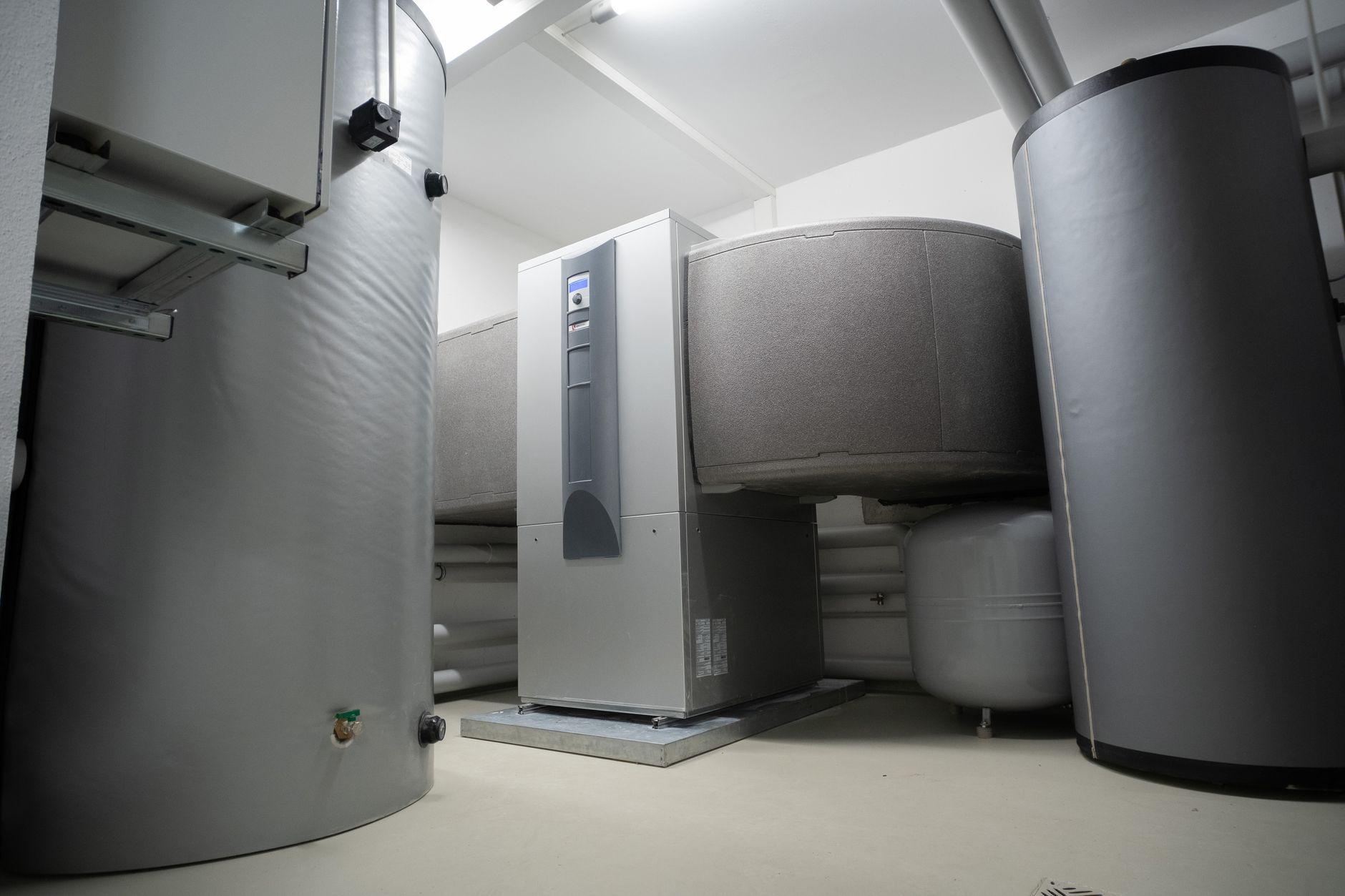
Heat Pump vs Central Air in North Texas Climate: Which Is Better for Arlington TX Homes?
Homeowners across Arlington, Texas face a crucial decision when replacing their aging HVAC systems: install a heat pump or stick with traditional central air conditioning paired with a gas furnace. With summers regularly hitting 105°F near attractions like AT&T Stadium and Globe Life Field, and winter cold snaps occasionally dipping into the teens along the I-30 corridor, selecting the right system impacts both comfort and utility bills year-round. Arlington World Cup 2026 Hub →
Understanding how heat pumps versus central air conditioners perform specifically in the North Texas climate helps Arlington homeowners avoid costly mistakes. While heat pumps have gained popularity for their energy efficiency, North Texas weather presents unique challenges that don’t align perfectly with manufacturers’ optimal ratings. This guide breaks down the technical differences, installation costs, and seasonal performance expectations for Tarrant County residents.
How Does a Heat Pump Work Compared to Central Air Conditioning?
The World Cup brings the whole world to Arlington — this video explores the biggest talking points dividing fans ahead of the tournament.
A heat pump transfers heat between indoor and outdoor air to both cool and heat your home, while central air conditioning only cools and requires a separate furnace for winter heating.
Central air conditioners function purely as cooling devices. They extract heat from inside your Arlington home and expel it outdoors using refrigerant cycles, working in tandem with a gas or electric furnace that handles winter heating. This traditional split system dominates older neighborhoods around Randol Mill Road and Collins Street, where natural gas infrastructure remains robust.
Heat pumps operate bi-directionally. During summer, they function identically to air conditioners, moving heat from your living space to the outdoors. However, when temperatures drop, the refrigeration cycle reverses, extracting ambient heat from outside air and pumping it indoors. This dual functionality eliminates the need for separate heating equipment, though many North Texas installers recommend backup heat strips for extreme weather events.
The critical difference lies in heat transfer versus heat generation. While gas furnaces burn fuel to create warmth, heat pumps merely relocate existing thermal energy. This distinction becomes particularly relevant when evaluating operating costs across Arlington’s seasonal temperature swings.
Which System Handles North Texas Summers Better?
Central air conditioners typically cool more efficiently than heat pumps in extreme heat above 100°F, though modern heat pumps with high SEER ratings can compete in Arlington’s climate.
North Texas summers present brutal conditions for any cooling equipment. When thermometers near the Entertainment District spike past 105°F during August, heat pumps must work harder to push heat against the extreme temperature differential. This strain reduces efficiency and can shorten equipment lifespan if systems aren’t properly sized.
High-efficiency central air conditioners with variable-speed compressors generally maintain consistent cooling output during scorching afternoons near UTA campus. These systems often achieve SEER ratings of 16-20, providing reliable comfort when humidity hangs heavy over the Trinity River basin.
However, cold-climate heat pumps with advanced inverter technology have closed the performance gap significantly. Models rated for 15+ SEER and 8.5+ HSPF now handle Arlington’s summer heat adequately, though they may require slightly longer run cycles during peak afternoon hours compared to equivalently sized central AC units.
How Do Heat Pumps Perform During Arlington TX Winter Cold Snaps?
Heat pumps work efficiently down to about 35-40°F but may struggle during rare North Texas ice storms below 20°F, often requiring supplemental heat strips.
The February 2021 winter storm revealed vulnerabilities in all-electric heating strategies across Tarrant County. When temperatures plummeted to 5°F overnight, standard heat pumps lost efficiency rapidly, forcing them to rely on electric resistance coils that consume massive amounts of electricity while providing marginal warmth.
Normal North Texas winters present less dramatic challenges. From December through February, Arlington typically experiences overnight lows between 30-45°F, conditions where modern heat pumps operate efficiently. Homes near Village Creek or along the Trinity Trails generally see heat pumps maintaining comfortable indoor temperatures without auxiliary heat during typical January weather.
The threshold for concern arrives when forecasters predict sustained temperatures below 25°F. During these rare but memorable events, dual-fuel systems or traditional gas furnaces outperform standalone heat pumps. Arlington homeowners considering all-electric solutions should budget for enhanced insulation and potentially oversized units to handle the occasional polar vortex intrusion.
What Are the Installation Costs for Heat Pumps vs Central Air in Arlington?
Heat pump installation in Arlington TX ranges from $4,500-$8,000, while central AC with gas furnace typically costs $6,000-$12,000 depending on home size and existing ductwork.
For a typical 2,000-square-foot home in the Meadowbrook area or near Lincoln Square, heat pump installation runs approximately $4,500-$6,500 for mid-range equipment. This pricing assumes existing ductwork remains compatible and electrical panels can handle the load. High-efficiency cold-climate heat pumps with variable-speed compressors push toward $7,500-$9,000 installed.
Central air replacement paired with a gas furnace generally demands higher upfront investment. Entry-level systems start around $5,500, while high-efficiency two-stage furnaces with matching condensers reach $10,000-$12,000 in established neighborhoods like Dalworthington Gardens or Pantego.
The price differential narrows when factoring operational expenses. Arlington homeowners can calculate their specific heating and cooling costs using local electricity rates from Oncor and gas prices from Atmos Energy. Generally, heat pumps cost 30-40% less to operate than gas furnaces during mild winter months, though this advantage diminishes during severe cold.
Additional considerations include electrical panel upgrades ($1,200-$2,500) sometimes required for heat pump conversions, particularly in older homes near Downtown Arlington built before 1980. Homes already equipped with gas lines may find central AC replacement more economical since infrastructure exists.
Which System Offers Better Energy Efficiency Rebates in Texas?
Heat pumps qualify for federal tax credits up to $2,000 under the Inflation Reduction Act and Oncor Electric utility rebates, while high-efficiency AC units qualify for smaller rebates.
Federal incentives heavily favor heat pump adoption currently. The Inflation Reduction Act provides tax credits covering 30% of heat pump installation costs, capped at $2,000 annually for qualifying high-efficiency models. This incentive applies to primary residences in Tarrant County and can significantly offset the premium for cold-climate rated equipment.
Oncor Electric Delivery, serving most of Arlington, offers additional rebates ranging from $300-$800 for heat pump installations meeting specific SEER and HSPF requirements. These programs aim to reduce grid strain during peak summer afternoons when demand spikes around commercial districts like The Parks Mall.
Central air conditioners qualify for smaller federal credits (up to $600) and limited Oncor incentives focused on high-SEER models. However, replacing both AC and furnace simultaneously often qualifies for package rebates from manufacturers like Carrier or Trane that rival heat pump incentives.
Local Arlington contractors participating in the Texas Weatherization Assistance Program can also provide income-qualified households with free efficiency upgrades, typically favoring heat pumps for all-electric homes. Checking current rebate availability before purchasing affects total cost of ownership calculations substantially.
Should Arlington Homeowners Choose Dual Fuel Hybrid Systems?
Dual fuel systems combine a heat pump with a gas furnace, automatically switching between electricity and gas seasonally to optimize efficiency during Arlington’s variable climate.
For many Tarrant County residents, the dual fuel approach offers the best compromise. These hybrid configurations use the heat pump for cooling and mild-weather heating, then automatically engage the gas furnace when outdoor temperatures drop below the heat pump’s economic balance point—typically around 35-40°F.
Homes near Lake Arlington or along the Grand Prairie border particularly benefit from this strategy. The system maximizes electricity use during shoulder seasons (March-April and October-November) when heat pumps operate most efficiently, then leverages natural gas during January freezes or unexpected ice storms.
Installation costs for dual fuel run higher than single-system approaches, generally $8,500-$13,000 depending on furnace efficiency ratings. However, the operational flexibility often pays back within 5-7 years through optimized utility bills. Smart thermostats compatible with these systems learn Arlington’s weather patterns, automatically selecting the most cost-effective heat source each day.
The primary drawback involves maintenance complexity—servicing both refrigerant circuits and gas combustion components requires skilled technicians familiar with both technologies. Arlington homeowners should verify their chosen contractor holds EPA Section 608 certification and Texas HVAC licenses before installing hybrid systems.
Frequently Asked Questions
-
Can a heat pump handle 100-degree days in North Texas?
Modern heat pumps rated for 15+ SEER can maintain 75°F indoor temperatures during 100°F+ afternoons, though they may run continuously and consume more electricity than central AC during extreme heat waves. Upgrading insulation and sealing ductwork helps compensate for the additional load.
-
Do I need a furnace with a heat pump in Arlington TX?
While not strictly necessary, most Arlington installers recommend either a furnace (dual fuel) or electric heat strips as backup. North Texas occasionally experiences temperatures below 20°F where standalone heat pumps lose efficiency, making auxiliary heat necessary for comfort and freeze protection.
-
How long do heat pumps last vs central air in Texas?
In North Texas climate, heat pumps typically last 10-15 years compared to 15-20 years for central AC units. Because heat pumps operate year-round for both heating and cooling, they accumulate more runtime hours annually. Proper maintenance, including coil cleaning and refrigerant checks, extends lifespan for both systems.
-
Are heat pumps worth it in North Texas climate?
Heat pumps prove cost-effective for Arlington homes with adequate insulation and updated electrical systems. The mild North Texas winter climate allows heat pumps to operate efficiently 80% of the heating season, while summer performance rivals central AC when properly sized. Federal tax credits further improve return on investment.
-
What maintenance is different for heat pumps vs AC?
Heat pumps require bi-annual service (spring and fall) rather than the single annual service typical for AC units. The outdoor coil needs particular attention after cottonwood season along Village Creek, and reversing valves require inspection to ensure proper defrost cycles during winter operation.
Choosing between heat pumps and central air conditioning ultimately depends on your specific Arlington neighborhood, existing infrastructure, and comfort preferences. Homes with newer electrical panels and good insulation often benefit from heat pump efficiency, while properties with aging ductwork or existing gas furnaces may find central AC replacement more practical.
[abc_quote_form service=’hvac’]
For personalized recommendations based on your home’s square footage and current energy costs, compare quotes from licensed Arlington HVAC contractors who understand the specific demands of the North Texas climate. Whether you choose heat pump technology or stick with traditional central air, proper sizing and professional installation remain the most critical factors for long-term satisfaction in Arlington’s challenging weather environment.
Fans attending matches at AT&T Stadium can still find World Cup 2026 tickets for AT&T Stadium through official resale channels — check availability before match day as Arlington fixtures are selling fast.
Visitors travelling to Arlington for World Cup matches should book early — hotels near AT&T Stadium Arlington are filling up fast across all price ranges from budget to luxury.
The full AT&T Stadium match schedule 2026 covers 9 fixtures from the group stage through to the semi-final in July.
Short-term rentals are a popular option for groups — browse Airbnb Arlington TX World Cup 2026 listings near the stadium for flexible accommodation options.