HVAC Installation Cost in Arlington TX: What to Expect in 2026
Planning to install a new HVAC system in your Arlington, Texas, home? Understanding the costs involved is essential for budgeting and making informed decisions. From the type of system to installation specifics, several factors play a part in determining the final price. Let’s explore what you can expect to pay for HVAC installation in Arlington, TX.
TL;DR
HVAC installation in Arlington typically runs $4,132-$5,669, depending on system type, efficiency, and ductwork. High SEER units cost more upfront but save long-term on energy. Always choose licensed contractors and secure city permits. Commercial installations are more complex. Factor in replacement decision-making based on system age and repair frequency. Get multiple quotes for the best value.
What is the average cost for HVAC installation in Arlington, TX?
HVAC installation in Arlington, TX, typically ranges from $4,132 to $5,669 for a standard residential system.
In Arlington, TX, the typical range for HVAC installation falls between $4,132 and $5,669. This range covers the basic installation of a standard HVAC system in a residential setting. However, the final cost can fluctuate based on various factors.
Several elements influence the cost of HVAC installation:
- System Type: The type of HVAC system you choose (e.g., split system, ductless mini-split, packaged unit) will significantly impact the price.
- Brand and Efficiency: Higher-end brands and models with better energy efficiency (SEER rating) usually cost more.
- Ductwork: If you need new ductwork or modifications to existing ducts, this will add to the overall cost.
A larger home typically requires a more powerful HVAC unit, increasing both equipment and installation expenses. Labor rates also vary among contractors, making it essential to compare quotes. Additionally, Arlington city permits are required for HVAC installations, adding a small but necessary cost. You can get a precise estimate using the HVAC cost calculator.
How does system type affect HVAC installation costs?
The HVAC system type directly impacts installation costs due to varying complexity, labor, and material requirements for split, ductless mini-split, or packaged units.
The type of HVAC system you select significantly impacts the total installation cost. Different systems require varying levels of complexity during the installation process, directly influencing labor and material expenses.
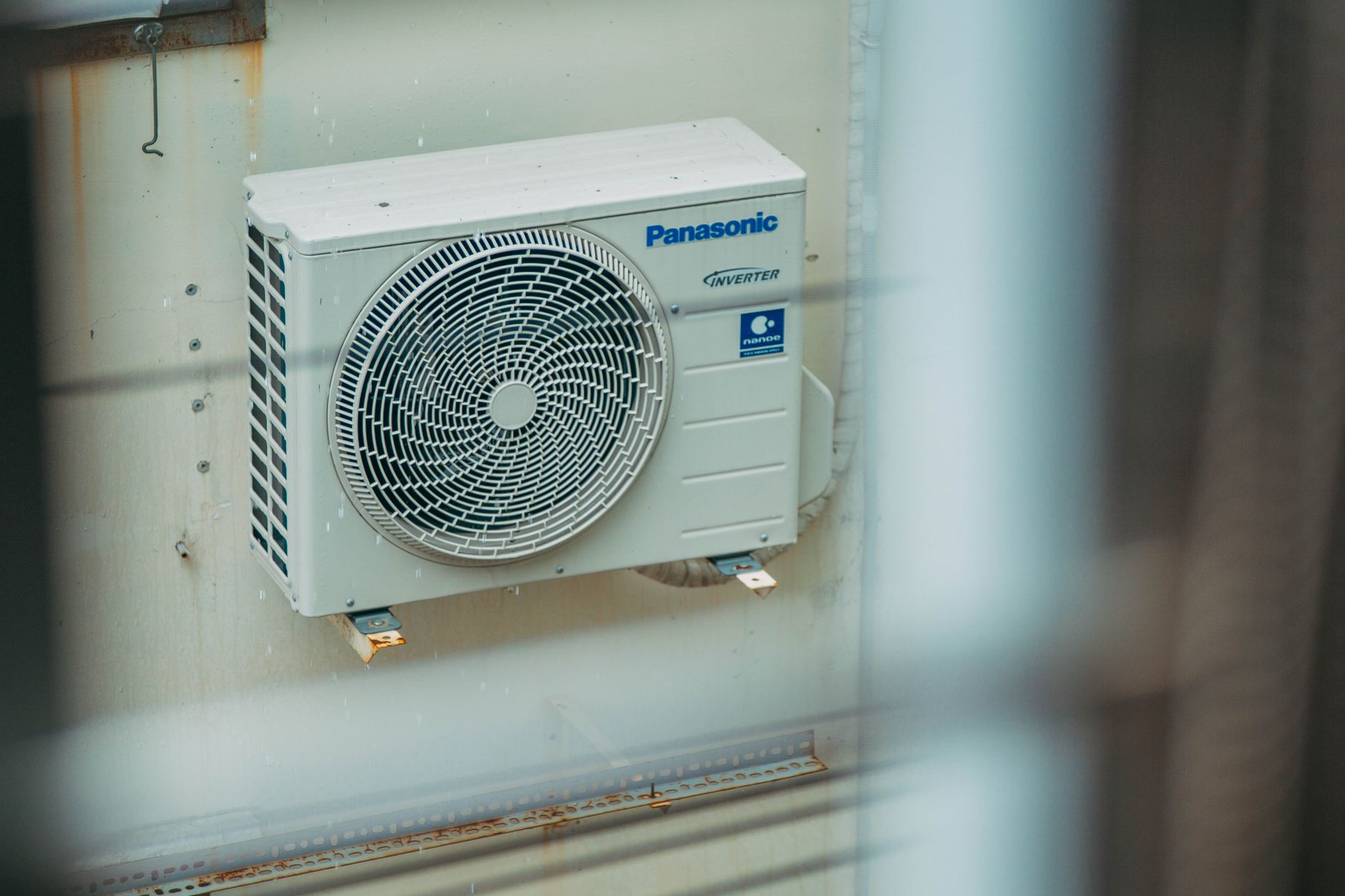
- Split Systems: These are the most common type, consisting of an outdoor compressor/condenser and an indoor air handler. Installation costs typically include setting up both units and connecting refrigerant lines and electrical wiring.
- Ductless Mini-Splits: Ideal for homes without existing ductwork, these systems involve mounting individual air handlers in different rooms and connecting them to an outdoor unit. Costs depend on the number of indoor units and the complexity of the wiring.
- Packaged Units: These combine all components into a single outdoor unit, making installation simpler and potentially cheaper than split systems. However, they may not be suitable for all homes.
Consider your home’s existing infrastructure and heating/cooling needs when choosing a system. Consulting with a licensed HVAC contractor can help determine the most efficient and cost-effective option for your situation.
What role does SEER value play in installation expenses?
Higher SEER-rated HVAC units provide greater energy efficiency and long-term savings but typically have higher upfront installation costs.
SEER, or Seasonal Energy Efficiency Ratio, measures the cooling efficiency of an air conditioner or heat pump. A higher SEER rating indicates greater energy efficiency, potentially leading to lower utility bills. However, units with higher SEER values usually have a higher upfront cost. Consider this trade-off when evaluating HVAC installation costs.
When considering SEER value and installation expenses, remember:
- Higher SEER units reduce energy consumption, leading to long-term savings.
- Utility companies may offer rebates for installing energy-efficient HVAC systems.
- Arlington’s hot summers may justify investing in a higher SEER value to maximize energy savings and comfort.
Checking for local incentives through Visit Arlington or energy provider websites can also help offset initial investment costs.

Are there additional costs for ductwork installation or repair?
Yes, new ductwork installation, major repairs, or modifications can significantly increase overall HVAC project costs.
Ductwork is essential for distributing cooled or heated air throughout your home. If your existing ductwork is damaged, improperly sized, or non-existent, you’ll need to factor in additional costs for ductwork installation or repair.
Potential ductwork-related costs include:
- New Ductwork Installation: This can be expensive, especially if your home isn’t already equipped with ducts.
- Ductwork Repair: Sealing leaks, insulating ducts, or replacing damaged sections can improve efficiency and comfort.
If you’re upgrading to a larger HVAC system, you may need to modify your ductwork to accommodate the increased airflow. It’s best to have a professional HVAC technician inspect your ductwork during the installation estimate to identify any necessary repairs or modifications. This careful planning can prevent issues and ensure system efficiency.
How do I choose the right HVAC contractor in Arlington, TX?
Selecting the right HVAC contractor involves verifying licenses, reading reviews, comparing quotes, checking experience, and asking about warranties.
Selecting the right HVAC contractor is crucial for a successful installation for any property, including those considering commercial upgrades near AT&T Stadium. Here’s how:
- Check Licensing and Insurance: Ensure the contractor is licensed to work in Texas and carries adequate insurance.
- Read Reviews and Testimonials: Look for contractors with a history of positive reviews and satisfied customers.
- Get Multiple Quotes: Obtain quotes from at least three different contractors to compare pricing and services.
Verify experience by choosing a contractor with extensive experience installing your specific type of HVAC system. Always ask about warranties on both equipment and labor to protect your investment. A reputable contractor will happily provide references, answer your questions, and offer a detailed, transparent quote. Before hiring anyone, do your homework and trust your gut, perhaps even reaching out for multiple quotes for peace of mind.
What permits are required for HVAC installation in Arlington?
The City of Arlington requires permits for all HVAC installations to ensure compliance with local building codes and safety standards.
Yes, the City of Arlington requires permits for HVAC installations. These permits ensure that the work meets local building codes and safety standards. Failing to obtain the necessary permits can result in fines or delays, impacting your budget and timeline.
The following steps are generally involved in the permit process:
- Application: The HVAC contractor typically handles the permit application process.
- Review: The city reviews the application to ensure it complies with regulations.
- Inspection: Once the installation is complete, a city inspector will examine the work to verify it meets code requirements.
Confirm with your contractor that they’ll handle the permit process to avoid any potential problems, perhaps even utilizing the permit wizard for preliminary checks.
How does commercial HVAC installation differ in cost?
Commercial HVAC installations are generally more expensive due to larger system sizes, complex building layouts, specialized system types, and stringent regulatory compliance.
Commercial HVAC installation in Arlington differs significantly from residential projects due to the scale and complexity involved. Commercial systems are typically larger, more powerful, and designed to handle the specific needs of businesses.
Factors influencing commercial HVAC installation costs include:
- System Size: Commercial buildings often require multiple units or a centralized system to adequately heat or cool the space.
- System Type: Options include rooftop units, chillers, and variable refrigerant flow (VRF) systems, each with distinct installation requirements and costs.
- Building Size and Layout: Larger and more complex buildings may require more extensive ductwork and zoning, increasing installation expenses.
Energy efficiency is a key consideration for businesses looking to reduce operating costs, though these units may have a higher upfront price. Additionally, commercial HVAC systems are subject to stricter regulations and codes, adding to the complexity and cost of installation. Businesses will also need to plan maintenance and repair. Finding a specialized contractor is essential when you start a business, as commercial systems are an entirely different league.
What are the signs you need an HVAC replacement, not a repair?
Evaluate system age, repair frequency, repair cost versus replacement cost, and refrigerant type to determine if replacement is more economical than repair.
Deciding whether to repair or replace your HVAC system can be tough. Here’s a table to help weigh the factors:
|
Factor |
Repair Is Best |
Replacement Is Best |
|---|---|---|
|
System Age |
< 10 years |
10+ years |
|
Repair Cost |
Minor fix |
>50% of new unit cost |
|
The $5,000 Rule |
Age x Cost < $5,000 |
Age x Cost > $5,000 |
|
Refrigerant |
Modern (R-454B/R-32) |
Phased-out (R-22/R-410A) |
|
Frequency |
First major issue |
2+ repairs in 2 years |
Frequently Asked Questions About HVAC Installation in Arlington
-
What is the typical lifespan of an HVAC system in Arlington, TX?
With proper maintenance, HVAC systems in Arlington typically last 15-20 years, though regular servicing can extend their operational lifespan.
-
Does HVAC installation cost vary seasonally in Arlington?
Yes, HVAC installation costs can increase during peak summer and winter seasons due to higher demand and reduced contractor availability.
-
Are there financing options for HVAC installation in Arlington?
Many HVAC contractors in Arlington offer financing plans, including low-interest loans or payment arrangements, to make installations more affordable for homeowners.
-
Can I save money by installing the HVAC system myself?
DIY HVAC installation is not recommended due to potential inefficiencies, voided warranties, and safety hazards; always hire a licensed professional.
-
How can I get an accurate HVAC installation cost estimate?
Schedule on-site assessments with multiple contractors, providing detailed information about your home and cooling needs to receive precise and reliable estimates.
This section answers common questions regarding HVAC system lifespan, seasonal cost variations, financing options, DIY vs. professional installation, and accurate cost estimates in Arlington.
Investing in a new HVAC system is a significant decision for any homeowner in Arlington, TX. By understanding the factors that influence HVAC installation cost, you can make an informed choice, select the right contractor for your property, and ensure lasting comfort for years to come. Don’t hesitate to get several estimates and ask questions to find the perfect fit for your needs and budget.
[abc_quote_form service=’hvac’]