How to Get Around Arlington TX Without a Car as a UTA Student
Getting around Arlington TX without a car can feel daunting for UTA students, but the city offers a mix of public transit, on‑demand rides, and active‑transport options that keep you moving efficiently.
- UTA students can save up to $2,200 a year by swapping a car for a combination of bus passes and rideshare credit.
- Arlington On‑Demand rides average $4.75 per trip and operate 24/7 within city limits.
- The Metro Arlington Express (MAX) bus runs every 15 minutes on the campus corridor during peak hours.
- Bike‑share membership costs $45 per month, offering 30‑minute rides for free.
- Verdict: A blended plan of MAX, On‑Demand, and occasional bike‑share gives the best value and flexibility for students.
How Does Arlington’s Public Bus System Serve UTA Students?
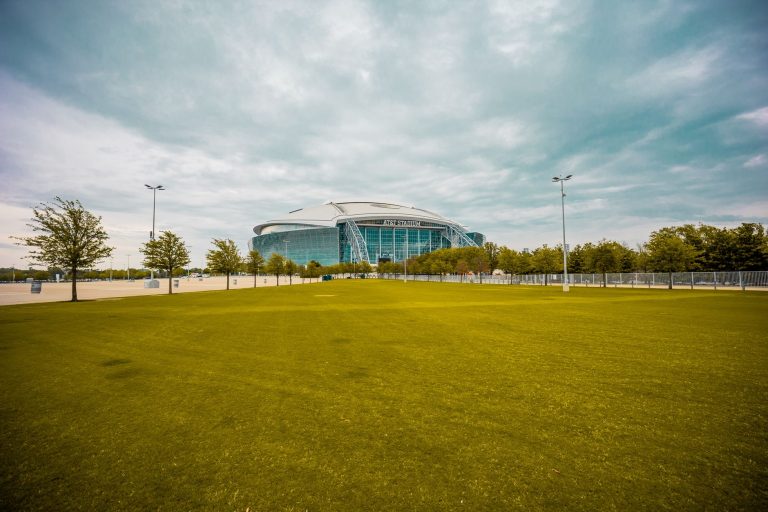
Arlington’s MAX and Route 22 buses connect campus to downtown, the AT&T Stadium, and major shopping centers every 15‑20 minutes on weekdays.
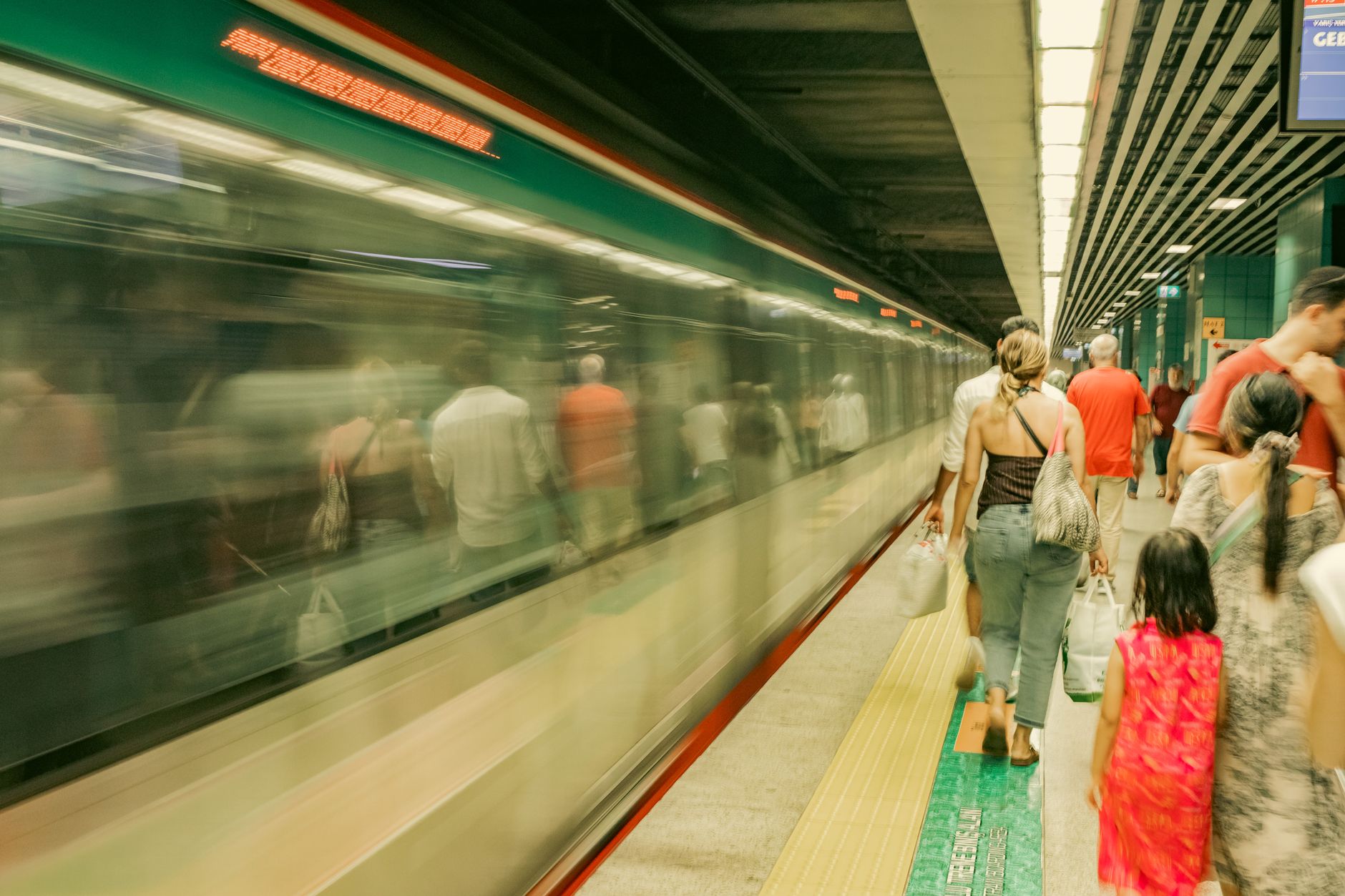
The Metro Arlington Express (MAX) runs a dedicated lane from the UTA campus to the Arlington Transportation Center, stopping at key student housing zones along Collins Street and Randol Mill Road. During peak class times, buses arrive every 15 minutes, cutting wait times dramatically. The service also includes real‑time tracking, so you can see exactly when the next bus will pull up at the Campus Center stop.
For students living off‑campus, Route 22 extends service to the South Lakes area, linking with the TRE (Trinity Railway Express) at the CentrePort Station for trips to Dallas or Fort Worth. This connection is especially useful for students who hold a combined UTA‑TRE student pass, allowing seamless travel across the DFW metroplex.
- Adult fare: $1.75 per ride; student fare with UTA ID: $1.00.
- Monthly unlimited pass: $45 (covers all routes).
- Free transfers within a 90‑minute window.
- Real‑time bus tracking via the Arlington Transit app.
What Are the Costs and Savings Compared to Owning a Car?
A monthly bus pass costs $45, saving roughly $2,200 annually versus typical car expenses for a student.
Average car ownership for a student in 2026 includes fuel ($120/month), insurance ($85/month), and parking ($60/month) at campus lots, totaling about $265 per month. Add routine maintenance and occasional tolls, and the total can easily surpass $300.
Switching to a $45 bus pass plus occasional $5 rideshare trips reduces monthly transportation costs by 80%, freeing up money for textbooks, groceries, or extracurricular activities.
How Can Students Get a Free or Discounted Bus Pass?
UTA offers a free bus pass to students enrolled full‑time who present a valid campus ID at the Transportation Services office.
Visit the Parking and Transportation Services (PATS) office located in the Central Library lobby. Provide your enrollment verification and a photo ID, and you’ll receive a reloadable smart card loaded with a $45 unlimited pass.
International students can also apply for a discounted pass through the International Student Services office, which may offer a 10% reduction during their first semester.
How Do On‑Demand Ride Services Fill the Gaps in Arlington Transit?
Arlington On‑Demand rides cost $4–$6 per trip, operate 24/7, and can be booked via a city‑run app for door‑to‑door service.
The city’s On‑Demand service, powered by Via, works like a hybrid between a taxi and a micro‑transit bus. Users request rides from a mobile app, and a shared vehicle picks up multiple passengers heading in the same direction. Because the service pools riders, wait times stay low and prices remain affordable.
This service is especially handy for late‑night study sessions, trips to Six Flags, or quick runs to the Arlington Shopping Center when bus schedules are sparse. Riders also benefit from in‑app safety features such as driver verification and live GPS sharing.
| Service | Base Fare | Peak surcharge | Typical wait time |
|---|---|---|---|
| Arlington On‑Demand | $4.00 | $1.00 | 5‑10 minutes |
| UberX | $6.50 | $2.00 | 3‑7 minutes |
| Lyft | $6.00 | $1.50 | 4‑8 minutes |
What Areas Does On‑Demand Cover That Buses Miss?
On‑Demand serves residential neighborhoods east of I‑30, the Virginia Park area, and the University District after 10 pm.
While the MAX and Route 22 focus on main corridors, On‑Demand fills the “last‑mile” gap to apartment complexes near the Eastside Commons and the Arlington Heights apartments. The service also reaches popular nightlife spots like the Entertainment District, where regular buses cease operation after 9 pm.
Students can also request a ride directly to the TRE CentrePort Station, which connects to the Dallas‑Fort Worth commuter rail network.
- Evening coverage: 10 pm–5 am.
- Weekend coverage: 7 am–11 pm.
- Service radius: 5‑mile radius from pick‑up point.
How Can Students Pay for On‑Demand Efficiently?
Students can link a prepaid credit or the campus flex card to the Via app, enabling $5‑per‑trip budgeting.
The university partners with Via to offer a monthly credit of $30 for students who certify financial need. This credit automatically applies to each ride, capping out at $5 per trip.
For occasional users, the “Pay‑as‑you‑go” option lets you top up with $20 increments, ensuring you never exceed a set budget. The app also provides a spend‑limit feature, so you can lock your account at a predetermined monthly maximum.
How Safe Is On‑Demand at Night?
All night‑time rides are monitored with live GPS, and drivers undergo background checks every 90 days.
When you request a ride after 10 pm, the app displays the driver’s photo, license plate, and real‑time location. You can share the ride link with a trusted friend or family member, and the system alerts campus security if a vehicle deviates from the planned route.
Additionally, the city has installed extra street lighting along popular night‑time corridors such as the route between the Q Center and the Arlington Library, making pick‑up points more visible and safer.
How Does Bike‑Sharing Complement Public Transit for UTA Students?
Arlington’s bike‑share program costs $45 per month, with unlimited 30‑minute rides and docking stations near campus and downtown.
Bike‑share stations are strategically placed at the UTA Campus Center, the Q Center, and near popular student housing on Division Street. A 30‑minute ride is free after you’ve paid the monthly membership. The bikes are equipped with integrated lights and a GPS tracker to deter theft.
Beyond the city‑wide network, the university runs a free “Campus Bike Loop” that circulates every 20 minutes during class change periods, connecting dorms, lecture halls, and the athletic complex. This loop is especially convenient for students who need to move quickly between back‑to‑back classes.
What Are the Safety Tips for Riding Bikes in Arlington?
Wear a helmet, obey traffic signals, and use designated bike lanes on I‑20 and I‑30 corridors for safe riding.
- Always lock the bike to a fixed object using the provided U‑lock.
- Check tire pressure and brakes before each ride.
- Use the Bike Share app to report any equipment issues immediately.
- Ride with lights on after dusk, especially on the I‑20 corridor near the AT&T Stadium.
How Does Bike‑Share Compare Cost‑wise to Buses and Rides?
Bike‑share at $45 per month is cheaper than a $60 monthly bus pass plus occasional rideshare.
Assuming a student rides 20 times per month, the effective cost per trip drops to $2.25, compared with $4‑$6 for on‑demand rides. When combined with a $45 bus pass for longer distances, the hybrid approach can keep total monthly transport under $80.
Even during exam week, when late‑night trips to the library surge, the modest $5‑per‑trip credit for On‑Demand paired with free bike rides can stretch a student’s budget dramatically.
What Maintenance Services Are Available for Bike‑Share Users?
Docking stations include self‑service kits for minor fixes, and the city runs a mobile repair van weekly.
If you notice a flat tire or a broken brake, you can scan the bike’s QR code in the app and request a “quick fix.” A maintenance technician will arrive at the nearest dock within 30 minutes to perform the repair or replace the bike.
The university’s Sustainability Office also hosts monthly “Bike Care” workshops near the Campus Center, teaching students how to perform basic maintenance and prolong the life of the shared bikes.
How Can Students Combine All Options for a smooth Commute?
A blended plan of MAX bus, On‑Demand rides, and bike‑share offers flexibility, cost savings, and coverage for all student travel needs.
Start with the MAX for daily trips to class and the campus library. When you need to travel beyond the bus corridor—like a late‑night study session at the Arlington Library—switch to On‑Demand. For quick hops between dorms or to the nearby UT Arlington Rec Center, pull a bike‑share.
Using the city’s integrated transit app, you can plan routes that automatically suggest the cheapest combination of bus, bike, and rideshare, showing real‑time arrival estimates. The app also lets you set a daily spending limit, so you never exceed your budget.
What Does a Sample Weekly Transportation Budget Look Like?
A typical UTA student can spend $80‑$110 per week on transit, covering bus passes, rideshare credits, and bike‑share membership.
| Item | Weekly Cost | Notes |
|---|---|---|
| MAX Unlimited Pass (monthly $45) | $11.25 | Spread over 4 weeks. |
| On‑Demand 4 rides @ $5 each | $20.00 | Evening trips. |
| Bike‑Share Membership | $11.25 | Monthly $45. |
| Occasional Uber/Lyft (2 rides @ $6) | $12.00 | Weekend outings. |
| Miscellaneous (snacks, parking fees) | $5.00 | Optional. |
How Can Students Access Real‑Time Transit Info?
The Arlington Transit app provides live bus locations, On‑Demand request status, and bike‑share dock availability.
Download the official “Arlington Transit & On‑Demand” app from the App Store or Google Play. After signing in with your UTA NetID, you can:
- View real‑time MAX bus arrival times at the Campus Center stop.
- Book an On‑Demand ride and see the driver’s ETA.
- Locate the nearest bike‑share dock with empty slots.
Integration with the university’s portal means you can also check your transit balance and reload your smart card directly from the app.
FAQ
What is the cheapest way to travel from UTA to AT&T Stadium on game day?
Take the MAX to CentrePort Station, then switch to an On‑Demand ride for $5 to the stadium.
Are there any free shuttle services for students during major events?
UT Arlington runs a complimentary shuttle from campus to Six Flags and the Entertainment District during peak event weekends.
Can I use my UTA ID for bike‑share discounts?
Yes, linking your NetID to the bike‑share app unlocks a student discount, reducing the monthly fee to $35.
Do Uber and Lyft operate on campus?
Ride‑share vehicles can pick up at designated zones near the Q Center and the Parking Services lot.
What safety measures are in place for late‑night On‑Demand rides?
All drivers undergo background checks, and the app shares live GPS with a trusted contact.
Conclusion
Combining MAX bus, On‑Demand rides, and bike‑share lets UTA students navigate Arlington efficiently, safely, and affordably without a personal vehicle.
By leveraging the free student bus pass, a modest $30 monthly On‑Demand credit, and a $45 bike‑share membership, students can keep annual transportation costs under $2,200 while enjoying full city coverage. Whether you’re heading to class, a game at AT&T Stadium, or a weekend concert at Six Flags, Arlington’s multimodal network has a solution tailored to your schedule and budget.