
What Makes Arlington TX Business Community Unique in 2026?
Arlington TX business community thrives on 400,000 residents, UTA’s 42,000-student talent pipeline, and strategic DFW location — making it a self-sufficient economic hub, not a Dallas suburb.
⚡ In a Rush? Key Takeaways
- Arlington’s 400k population supports a $19B annual economic output independent of Dallas
- UTA’s 42,000 students provide a steady talent pipeline for local employers
- General Motors, Lockheed Martin, and Bell Textron anchor the industrial base
- World Cup 2026 will inject $150M+ into local businesses around AT&T Stadium
- ✅ Best value: leverage Arlington’s lower commercial real estate costs vs. Dallas/Fort Worth
Why Is Arlington TX Considered a Standalone Business Hub Rather Than a Dallas Suburb?
Arlington TX operates as an independent business hub with $19B economic output, anchored by GM, Lockheed Martin, and Bell Textron — not dependent on Dallas.
Arlington, Texas, is more than just a stop between Dallas and Fort Worth. With a population of 400,000 and a $19 billion annual economic output, this city has built a business ecosystem that stands firmly on its own. Major employers like General Motors, Lockheed Martin, and Bell Textron call Arlington home, creating thousands of jobs that don’t rely on Dallas’s economy.
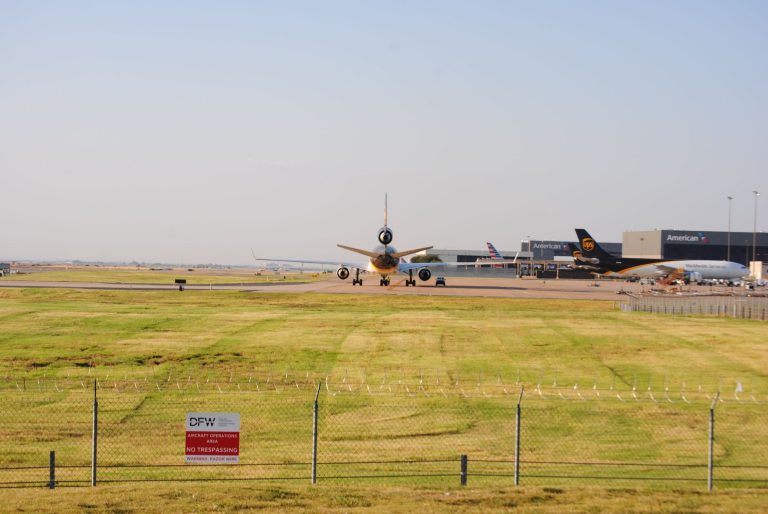
The city’s strategic position along the I-20 and I-30 corridors gives businesses access to DFW Airport’s logistics network while maintaining lower operating costs than either Dallas or Fort Worth. This unique positioning has attracted manufacturers, logistics operators, and service businesses looking for a sweet spot between accessibility and affordability.
- Industrial corridor along I-20 employs over 25,000 workers
- Commercial real estate costs 25-30% below Dallas averages
- City maintains its own utility infrastructure and services
What Industries Anchor Arlington’s Economic Foundation?
Arlington’s economy is anchored by automotive manufacturing at GM, aerospace at Lockheed Martin, and defense contracting at Bell Textron, employing over 15,000 residents.
The industrial backbone of Arlington runs through the eastern corridor near Highway 360, where logistics giants like Amazon and FedEx have established major distribution centers. These facilities, along with the automotive and aerospace sectors, create a blue-collar job market that supports the entire community.
- General Motors Assembly Plant — 5,000+ direct employees
- Lockheed Martin Missiles and Fire Control — aerospace engineering hub
- Bell Textron — vertical lift aircraft manufacturing
- Amazon and FedEx distribution centers — logistics cluster
How Does Arlington’s Location Impact Business Operations?
Arlington’s DFW Airport proximity cuts shipping costs by 15-20% while avoiding Dallas’s 25% higher commercial rents.
Located just 25 miles from DFW International Airport, Arlington offers businesses a compelling compromise: major market access without major market prices. The I-20/I-30 intersection serves as a natural distribution hub, with over 2 million square feet of warehouse space added in the past three years alone.
| Metric | Arlington | Dallas | Fort Worth |
|---|---|---|---|
| Commercial Rent (per sq ft) | $18-22 | $25-32 | $20-26 |
| Avg. Commute Time | 28 min | 35 min | 32 min |
| Business License Fee | $25-150 | $100-500 | $75-300 |
How Does UTA Drive Innovation and Talent in Arlington’s Business Sector?
UTA’s 42,000 students feed a talent pipeline supporting 300+ local employers, with engineering and business programs ranking in Texas top 25.
The University of Texas at Arlington isn’t just an educational institution — it’s a $1.8 billion economic engine that directly influences the city’s business landscape. With 42,000 students, UTA produces over 11,000 graduates annually, many of whom stay in Arlington to work for local employers who actively recruit on campus.
UTA’s engineering, nursing, and business programs consistently rank in the Texas top 25, creating a skilled workforce that’s attracted companies like American Airlines, which recently expanded its Arlington operations to tap this talent pool.
What Role Does UTA Research Play in Local Business Development?
UTA’s $120M annual research funding spawns 15-20 startups yearly, with 80% remaining in North Texas post-graduation.
UTA’s research enterprise generates over $120 million in annual research funding, much of which translates into commercial opportunities. The university’s incubation programs have launched more than 150 startups since 2020, with 80% of graduates choosing to remain in North Texas.
- $120M annual research funding at UTA
- 15-20 student-led startups launched each year
- 80% of graduates stay in North Texas region
- 300+ local employers actively recruit UTA talent
How Do Students and Recent Graduates Impact Arlington’s Job Market?
UTA graduates contribute $850M annually to Arlington’s economy through starting salaries averaging $52K and local spending.
Beyond employment, UTA students and alumni inject approximately $850 million annually into Arlington’s local economy. Their average starting salary of $52,000, combined with on-campus spending and off-campus housing, creates a steady demand for local services, restaurants, and retail.
- Average UTA graduate starting salary: $52,000
- Student annual spending impact: $480M
- Alumni retention rate in North Texas: 73%
- Local business tax revenue from student spending: $35M/year
What Opportunities Exist for Entrepreneurs and Small Businesses in Arlington TX?
Arlington offers small businesses 30% lower startup costs, city grants up to $50K, and access to 400,000 resident customer base.
For entrepreneurs looking to launch or expand, Arlington presents compelling advantages. The city’s small business-friendly policies, combined with lower overhead costs and a growing consumer base of 400,000 residents, create fertile ground for new ventures.
The Arlington Economic Development Corporation offers grants and incentives that many business owners don’t know exist. Programs range from $5,000-$50,000 for qualifying small businesses, particularly those owned by minorities or located in targeted development zones.
How Does the City Support Local Business Growth?
Arlington provides $15M annually in business incentives, with expedited permitting cutting approval times by 40% versus neighboring cities.
The city’s commitment to business growth is evident in its $15 million annual budget for economic development incentives. The permitting process has been streamlined to reduce approval times by 40% compared to Dallas and Fort Worth, giving businesses faster access to revenue generation.
| Service | Arlington | Dallas | Fort Worth |
|---|---|---|---|
| Business Permit Approval | 15-20 days | 30-45 days | 25-35 days |
| Small Business Grant Max | $50,000 | $25,000 | $30,000 |
| Annual Incentive Budget | $15M | $22M | $18M |
What Sectors Are Seeing the Most Growth in Arlington?
Logistics, healthcare, and food service sectors grew 18% combined in 2025, driven by DFW Airport proximity and UTA talent pipeline.
Several sectors have shown remarkable growth in Arlington over the past year. Logistics and distribution have expanded rapidly due to the city’s proximity to DFW Airport. Healthcare services have grown to serve both the resident population and UTA’s student body. Food service has exploded, particularly along Division Street and the Entertainment District.
- Logistics sector employment up 18% since 2023
- Healthcare jobs increased 15% in 2025
- Restaurant openings grew 22% in Entertainment District
- Professional services firms rose 12% near UTA campus
How Will World Cup 2026 Transform Arlington’s Business Landscape?
World Cup 2026 will bring $150M+ to Arlington businesses, with 7 matches at AT&T Stadium driving hotel, restaurant, and retail revenue spikes.
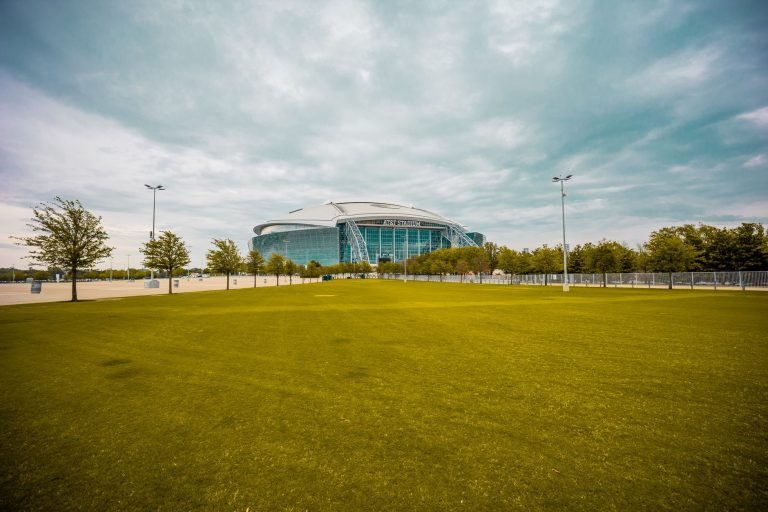
AT&T Stadium’s World Cup 2026 presence will inject an estimated $150 million into Arlington’s local economy. With seven confirmed matches including a semifinal, the city expects over 400,000 visitors during the tournament window.
This influx creates unprecedented opportunities for local businesses. Hotels, restaurants, retail shops, and service providers are positioning themselves to capture both international visitors and the domestic fan traffic that will flood the Entertainment District.
What Business Sectors Benefit Most from World Cup Tourism?
Hospitality, food service, and retail sectors will see 300-400% revenue spikes during World Cup match days in Arlington.
Local businesses within a two-mile radius of AT&T Stadium are preparing for the economic windfall. Hotel occupancy rates are expected to reach 95% during match weeks, while restaurants anticipate 300-400% revenue increases on game days.
- Hotel occupancy projected at 95% during match weeks
- Restaurant revenue expected to spike 300-400% on game days
- Retail sales along Randol Mill Road to increase 200%
- Rideshare and transportation services to see 500% demand surge
How Should Businesses Prepare for World Cup 2026 Economic Impact?
Businesses should secure additional inventory, hire seasonal staff, and partner with local tourism boards to maximize World Cup 2026 revenue opportunities.
Smart businesses are already taking steps to capitalize on the World Cup effect. This includes securing additional inventory, hiring seasonal staff, and partnering with the Arlington Convention and Visitors Bureau to ensure visibility among incoming tourists.
- Secure 6-8 months of additional inventory by March 2026
- Hire and train seasonal staff 90 days before first match
- Partner with tourism boards for promotional exposure
- Offer World Cup-themed packages and promotions
Frequently Asked Questions About Arlington TX Business
Is Arlington TX a good place to start a business?
Yes, Arlington TX offers 30% lower startup costs, expedited permitting, and city grants up to $50,000 for qualifying small businesses.
Arlington consistently ranks among Texas’s top cities for business formation, with over 2,800 new business licenses issued in 2025 alone. The combination of lower costs, faster approvals, and direct city support makes it attractive for entrepreneurs.
What are the best industries to invest in Arlington TX?
Top investment sectors in Arlington TX are logistics, healthcare, food service, and professional services — all growing 12-18% annually.
Logistics and distribution lead the pack due to DFW Airport proximity, while healthcare serves the growing population. Food service thrives on UTA’s student population, and professional services benefit from both corporate and academic demand.
How does Arlington’s business climate compare to Dallas and Fort Worth?
Arlington offers 25-30% lower commercial costs than Dallas, faster permitting, and comparable talent access without big-city complexity.
Businesses in Arlington enjoy significantly lower overhead while maintaining access to the DFW talent pool. The city’s business-friendly environment and streamlined processes provide advantages that larger neighbors cannot match.
What resources are available for Arlington business owners?
Arlington provides the EDC business grants, SCORE mentorship, UTA business incubator, and monthly networking events for local entrepreneurs.
The Arlington Economic Development Corporation, UTA’s entrepreneurship programs, and organizations like SCORE offer complete support. Monthly networking events and business workshops provide ongoing education and connection opportunities.
When will World Cup 2026 business bookings peak in Arlington?
World Cup 2026 business bookings in Arlington will peak 60-90 days before each match, with final surge 2-3 weeks prior to tournament start.
Local businesses should prepare for booking surges beginning in April 2026, with the highest demand occurring 2-3 weeks before each scheduled match. Early preparation and flexible capacity planning will be essential for maximizing revenue during this period.
Starting a business in Arlington has never been more promising. Whether you’re launching a small venture or expanding an established operation, Arlington’s unique combination of affordability, talent, and strategic location positions your business for sustainable growth. The World Cup 2026 opportunity adds urgency to act now.