What Is the Economic Outlook for the DFW Metroplex in 2026?
The DFW economy in 2026 is defined by its robust 3.2% year-over-year growth rate, sustained by a diverse industrial base and an influx of nearly 150,000 new residents annually. This expansion positions the metroplex as the leading economic engine in the southern United States, consistently outpacing national averages in job creation and capital investment.
⚡ In a Rush? Key Takeaways
- DFW job growth hit 3.2% in 2026, significantly higher than the 1.8% national average.
- The regional unemployment rate remains stable at 3.4%, indicating a healthy labor market.
- Industrial activity along the I-20 corridor has added over 12,000 warehouse jobs this year.
- Corporate relocations contributed to $4.5 billion in new commercial real estate investments.
- ✅ Economic outlook: Continued expansion driven by heavy investment in infrastructure and technology.
What Are the Primary Drivers of DFW Job Growth?
The DFW economy relies on financial services, high-tech manufacturing, and logistics to drive its 3.2% annual growth in employment sectors.
How Does the Logistics Sector Impact Local Employment?
Logistics serves as the backbone of the DFW economy, employing over 250,000 workers across the metroplex with massive growth in demand.
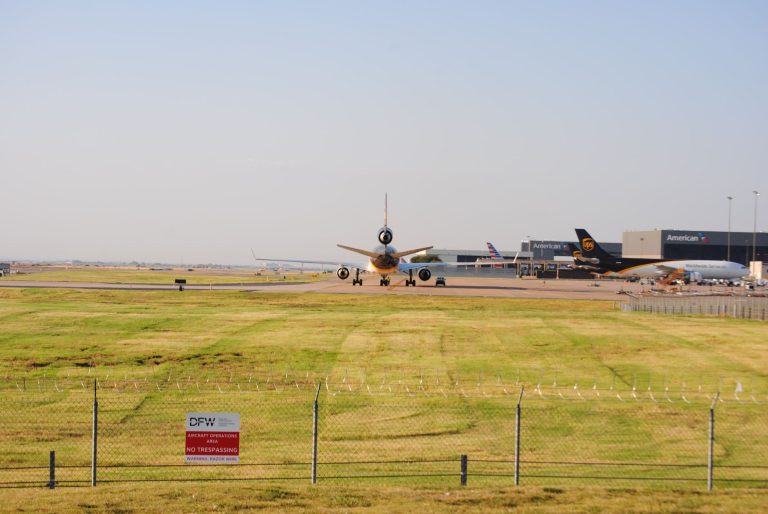
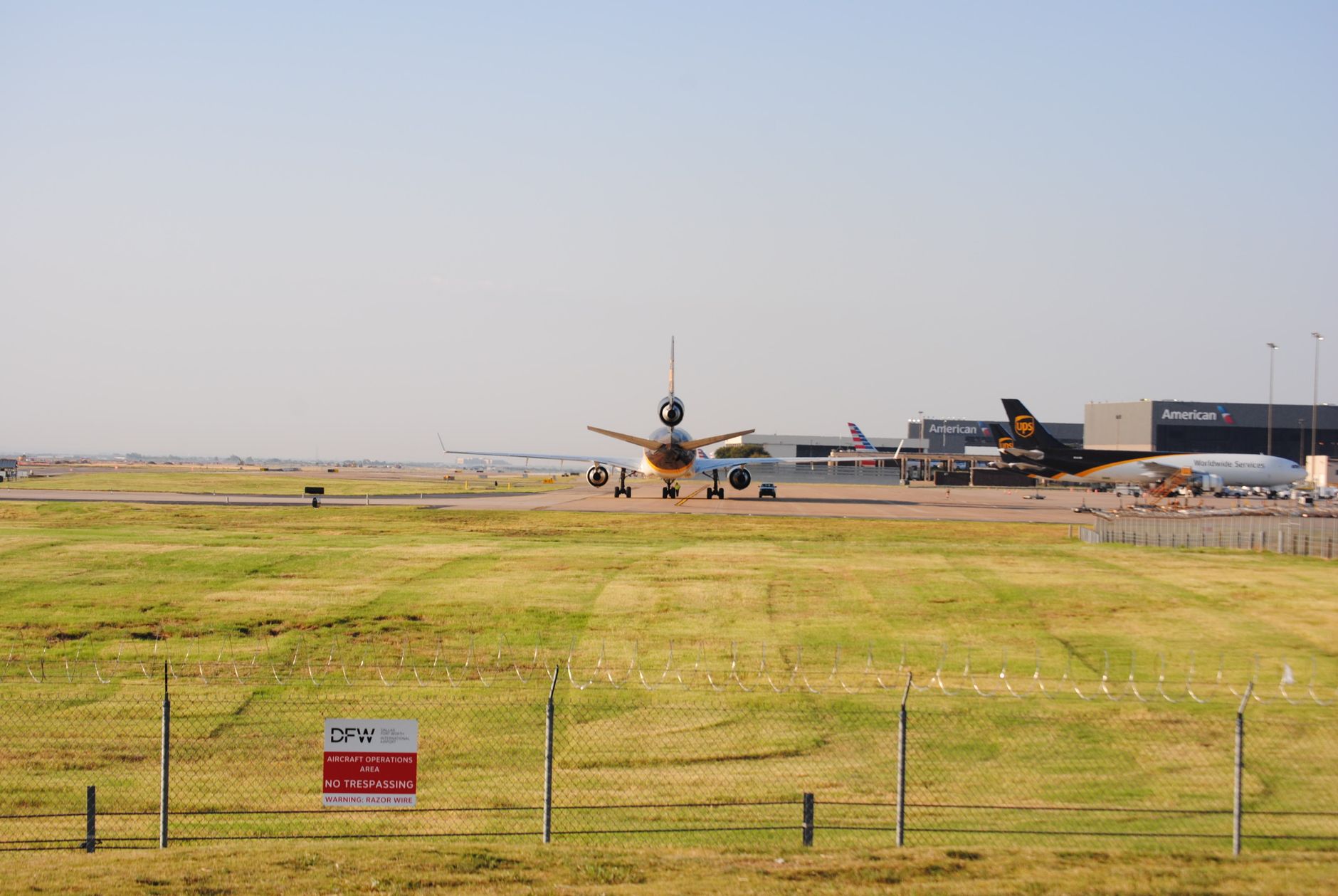
The expansion of the distribution network, particularly near DFW Airport and the I-20 corridor, has been aggressive. Companies are scaling operations to handle the surge in e-commerce and local workforce needs within our city limits.
- Regional demand for warehouse space has increased by 15% since 2025.
- Automation in distribution centers now accounts for 20% of new warehouse hiring.
- Competitive wages in logistics currently average $22–$28 per hour in Arlington.
- Third-party logistics providers are actively seeking thousands of new employees.
Why Are Tech and Manufacturing Hubs Expanding Here?
Texas tax incentives and the available talent pool from universities like UTA draw global manufacturers to set up regional headquarters.
Our region is seeing a migration of advanced manufacturing firms that require specialized skills. This shift is changing the local wage benchmarks as employers compete for engineering talent.
| Industry Sector | Avg Annual Salary | Growth Potential |
|---|---|---|
| Aerospace | $95,000 | High |
| Semiconductors | $88,000 | High |
| Financial Tech | $92,000 | Moderate |
How Is the DFW Business Climate Changing for 2026?
The business environment favors expansion with low tax burdens, though rising commercial rent prices present challenges for startups.
What Challenges Do Startups Face in the Current Market?
Startups in DFW face high competition for prime office space and a tightening of venture capital for early-stage business ventures.
While the environment is friendly for established firms, those looking to start a business must navigate a complex permit environment. Success often hinges on securing the right location in developing business corridors.
- Average commercial rent in North Texas rose by 6% over the last 12 months.
- Networking within local business councils is essential for navigating city permits.
- Access to municipal incentive grants can help bridge initial capital gaps.
- Strategic placement near transit hubs is vital for long-term operational success.
Where Is the Best Opportunity for New Commercial Development?
The I-20 and Highway 360 corridors in Arlington offer the highest potential for commercial growth due to available land and infrastructure.
As our city continues to evolve, the focus is shifting toward mixed-use developments. These projects provide the necessary density to support local retail, dining, and professional service providers.
How Are Interest Rates Affecting Business Expansion?
Higher interest rates have slowed speculative office builds while favoring smaller, capital-efficient commercial renovations for businesses.
How Is Housing Affordability Evolving in the DFW Metroplex?
Rapid population growth has pushed median home prices up, while new construction struggles to keep pace, affecting affordability for both renters and buyers.
According to the North Texas Real Estate Information Systems, the median single‑family home price in DFW reached $425,000 in mid‑2026, a 9% increase year‑over‑year. Meanwhile, multifamily vacancy rates have tightened to 4.2%, driving average rents for a two‑bedroom apartment to about $1,850 per month.
To address the shortfall, several municipalities have accelerated incentive programs for accessory dwelling units (ADUs) and have approved mixed‑use zoning that permits residential units above retail corridors along I‑30 and Highway 360. These measures aim to add roughly 12,000 new housing units by 2028.
Frequently Asked Questions About the DFW Economy
-
Is the DFW job market expected to grow further?
Yes, analysts project the DFW metroplex will add roughly 140,000 jobs annually through 2028, largely in tech, logistics, and healthcare.
-
Which industry is the largest employer in Arlington?
The entertainment and hospitality sectors, followed by defense-related manufacturing, remain the largest employers within Arlington city limits.
-
How does the DFW economy compare to other Texas cities?
DFW maintains a more diversified economy than the tech-focused Austin area, providing greater stability during national economic cycles.
-
Is Arlington a good place to invest in new businesses?
Arlington offers lower entry costs for commercial real estate compared to Dallas or Plano, making it highly attractive for growing businesses.
-
What is the role of UTA in the regional economy?
UTA acts as a critical talent pipeline, graduating thousands of engineers and healthcare professionals who directly support local industries.
The DFW economy remains a resilient, growing force that shows no signs of slowing down in 2026. By leveraging our central location, diverse workforce, and commitment to infrastructure, Arlington continues to play a pivotal role in the prosperity of the entire Metroplex.